
Chapter 2
A CRITICAL ANALYSIS OF PATENT ON ACCESS TO MEDICINES IN LEAST DEVELOPED COUNTRIES
- YASHVI (B.B.A L.L.B(HONS) SAVEETHA SCHOOL OF LAW, SAVEETHA INSTITUTE OF MEDICAL AND TECHNICAL SCIENCES (SIMATS) CHENNAI-600077)
- DHRUVI JAIN (BBA.LL.B.,[HONS] 2ND YEAR, SAVEETHA SCHOOL OF LAW Saveetha Institute Of Medical And Technical Science [SIMATS] CHENNAI-600077)
- ISBN
- 978-81-992602-2-0
- Published
- 21 July 2026
- Accesses
- 73 views · 57 downloads
- Reading time
- ~42 min
Abstract
The study critically analyzes the impact of patent protection on access to medicines in Least Developed Countries (LDCs). The aim of the study is to Explore how patents affect the price and availability of medicines in LDCs, to Analyze what steps governments in LDCs are taking to improve access to affordable drugs and to Provide ideas for improving access to medicines while respecting IPR .The research method followed is empirical in nature . The data is collected through a questionnaire and the sample size is 205 . Convenient sampling method is adopted in the study to collect the data. The samples were collected from the general public in and around Chennai and through the mailing of questionnaires and forwarding through social media apps . The independent variables are gender, education qualification, Occupation, and Income of respondents. The dependent variables are primary concern,consequences of high medicine prices,strategies that can help to mitigate the negative effects,capacity of enforcement of patent laws and to what extent generic medicine can be widely produced and distributed. .Findings indicate that patent protection poses significant challenges to access to medicines in LDCs due to high drug prices and limited access to affordable generics.Further research can explore regional variations in concerns, delve into the reasons behind these concerns, and investigate the relationship between concerns and preferred policy solutions. The suggestion is achieving sustainable access to medicines in LDCs requires a multi-faceted approach that prioritizes public health and utilizes both legal and economic strategies to overcome the barriers.
Keywords: Patent protection, Access to medicines, Least Developed Countries, Generics and Intellectual property rights.
Full text
INTRODUCTION
The issue of access to medicines in least developed countries (LDCs) is a pressing global health concern that intersects with the complex landscape of intellectual property rights, particularly patents. Patents are legal protections granted to inventors, allowing them exclusive rights to produce and sell their inventions for a specified period. While the intention behind patent laws is to incentivize innovation and ensure that pharmaceutical companies can recoup their research and development costs, the reality is that these protections often lead to significant barriers in accessing essential medicines, especially in LDCs.The aim of the study is to explore the interplay between intellectual property laws, and public health outcomes in LDCs, focusing on how these laws can either facilitate or hinder access to necessary treatments.
Evolution of the topic
The evolution of patents and access to medicines in least developed countries (LDCs) has been shaped by a complex interplay of historical, legal, and social factors. Beginning with the establishment of early patent systems during the Renaissance, the landscape transformed significantly with the introduction of the TRIPS Agreement in 1994, which mandated minimum patent protections globally, including in LDCs. This led to heightened concerns about access to essential medicines, particularly during public health crises like the HIV/AIDS epidemic, which spurred advocacy for affordable treatments and the use of compulsory licensing to bypass patent restrictions. In response, alternative models such as patent pools and collaborative research initiatives emerged to enhance access while promoting innovation. Today, ongoing debates continue regarding the balance between intellectual property rights and public health needs, especially in light of recent global health challenges like the COVID-19 pandemic. As the discourse evolves, there is a growing recognition of the necessity for policy reforms that address the unique circumstances of LDCs, ensuring that the benefits of medical advancements are equitably distributed.
Government initiatives related to the topic
Government initiatives and international frameworks play a critical role in addressing the tension between patent protection and access to medicines in Least Developed Countries (LDCs). International agreements like TRIPS, with flexibilities such as compulsory licensing and parallel importing, provide legal avenues for LDCs to access affordable medicines, especially in public health emergencies. Many LDCs have adopted national policies that promote the use of generics, strengthen public health systems, and form public-private partnerships to ensure access to essential medicines. However, challenges like limited infrastructure, patent evergreening, and pressure from pharmaceutical companies persist. Continued investment in local manufacturing, greater use of TRIPS flexibilities, and increased collaboration with organizations like the Medicines Patent Pool are crucial for improving access to medicines and advancing public health in these countries.
Factors affecting the topic
Several factors affect the issue of patents and access to medicines in Least Developed Countries (LDCs). The most significant factor is the global patent system, particularly the TRIPS agreement, which mandates patent protections that can lead to high drug prices and limited access to generics. Infrastructure limitations in LDCs, including weak healthcare systems, lack of manufacturing capacity, and insufficient distribution networks, further hinder access to affordable medicines. Economic constraints, such as limited financial resources and reliance on international aid, make it difficult for LDCs to invest in local production or secure medicines at lower costs. Pharmaceutical industry practices, like evergreening and patent thickets, also obstruct the entry of cheaper generics. Additionally, political and legal factors such as weak enforcement of intellectual property laws, pressure from multinational corporations, and international negotiations can either support or undermine access to medicines in LDCs. Lastly, global health emergencies, such as the COVID-19 pandemic, can accelerate the need for temporary patent waivers or other exceptions to ensure rapid access to life-saving medicines.
Current trends related to the topic
The issue of patents and access to medicines in Least Developed Countries (LDCs) remains a pressing global concern, with several key trends shaping the landscape. The WTO has extended the TRIPS waiver until 2033, allowing LDCs to bypass certain patent protections to ensure access to affordable medicines. Many countries are leveraging TRIPS flexibilities, such as compulsory licensing, to facilitate the production or importation of generic drugs. However, challenges like patent linkage continue to delay the availability of generics. Voluntary licensing initiatives, such as the Medicines Patent Pool (MPP), have been instrumental in improving drug accessibility, particularly for diseases like HIV. Efforts to enhance local pharmaceutical production are also gaining traction, though infrastructural and technological barriers persist. Additionally, recent agreements, such as Gilead Sciences’ commitment to provide affordable HIV prevention drugs, reflect growing international efforts to improve drug access in LDCs. While progress is evident, balancing patent rights with public health needs remains a complex challenge requiring ongoing global cooperation.
Comparison with other Cities/ States/Countries
A comparison of patent laws and access to medicines between India and Mozambique reveals stark differences. India, with its strong generic drug industry, actively uses TRIPS flexibilities like compulsory licensing to produce affordable generics, making life-saving medicines more accessible both domestically and globally. India’s robust manufacturing capacity allows it to challenge patent protections and lower drug prices, as seen with its production of HIV/AIDS treatments. In contrast, Mozambique, an LDC with limited local pharmaceutical production, relies heavily on imported generic drugs and international aid to supply medicines. Although Mozambique has the legal framework to use TRIPS flexibilities, it struggles with infrastructure and political will, preventing full utilization of these tools. As a result, while India benefits from a thriving generics market, Mozambique faces higher costs and inconsistent access to medicines, highlighting the challenges that LDCs without strong pharmaceutical industries face in ensuring affordable healthcare.
OBJECTIVES
- To Explore how patents affect the price and availability of medicines in LDCs.
- To Analyze what steps governments in LDCs are taking to improve access to affordable drugs.
- To Provide ideas for improving access to medicines while respecting intellectual property rights.
REVIEW OF LITERATURE
M N G Dukes, F M Haaijer-Ruskamp et al. (2002)The aim is to analyze the challenges and potential solutions for improving access to essential medicines in low-income countries. The methodology employed a qualitative research approach, analyzing case studies and the impact of global pharmaceutical policies on drug distribution in low-income regions. The findings of the paper emphasized that economic constraints, political challenges, and weak health infrastructure are significant barriers to accessing essential medicines.
Henry Grabowski (2002)The aim of paper was to assess the relationship between patents, pharmaceutical innovation, and access to medicines in developing countries. The methodology used here is theoretical and econometric approach, Grabowski analyzed the effects of patent protection on the global accessibility of new pharmaceutical products. The findings revealed that while patents incentivize pharmaceutical innovation, they also tend to drive up prices, making medicines unaffordable for populations in low-income countries.
Michael J. Selgelid (2002)the aim of the study is to examine the impact of pharmaceutical patents on the access to HIV/AIDS drugs in developing countries. The methodology used here is case studies to assess the relationship between patent protection and the availability of antiretroviral medications. The findings indicated that the high cost of patented HIV/AIDS drugs due to patent exclusivity was a major factor limiting access to treatment in developing countries.
F. M. Scherer & Jayashree Watal (2002)The primary aim of this paper was to explore the options available to developing countries after the implementation of the TRIPS (Trade-Related Aspects of Intellectual Property Rights) agreement, particularly in relation to access to patented medicines. The methodology used here is legal and policy analysis methodology to evaluate the effectiveness of the TRIPS agreement and the provisions that could help address access issues, such as compulsory licensing and parallel importing.
Philippe Cullet (2003) The paper aimed to investigate the relationship between the TRIPS agreement, patents, and the human right to health, focusing on the implications for access to medicines in developing countries. The methodology used here is abcombination of legal analysis and policy evaluation to assess the tension between intellectual property rights and public health concerns. The findings underscored the challenge of balancing patent protection with the right to health, particularly for life-saving medicines in poor countries.
Amir Attaran (2004)The study aimed to explore how patents and economic policies affect access to essential medicines in developing countries. The methodology used here is an economic and policy analysis approach to assess the impact of patents, trade policies, and public health measures on access to medicines. The findings revealed that patents significantly hinder access by increasing the cost of drugs.
Frederick M. Abbott (2005) paper aimed to evaluate the TRIPS agreement’s impact on access to medicines, especially in the context of the Doha Ministerial Conference. The methodology used here is legal and economic analysis to assess the provisions of TRIPS and the outcomes of the Doha Declaration, which sought to address access to medicines by allowing flexibility in patent law. The findings indicated that while TRIPS initially posed challenges for access to affordable medicines, the Doha Declaration provided essential flexibilities, such as compulsory licensing, to facilitate access in developing countries.
Sumner La Croix and Ming Liu (2007) The aim of the study is to explore the relationship between patents and access to essential medicines, particularly in developing countries. The methodology used is economic modeling and policy analysis to assess the effects of patent laws on access to life-saving drugs. Their findings indicated that while patents incentivize innovation, they also lead to higher prices, making it difficult for low-income countries to access essential medicines.
Brook K. Baker, JD (2009)The study aimed to investigate the impact of patents and pricing strategies on the availability of essential medicines in developing countries. The methodology used here is a combination of legal, economic, and public health analyses to assess patent law, pricing mechanisms, and their effects on public health outcomes. His findings revealed that high prices, driven by patent protections, were a significant barrier to access, especially for life-saving drugs.
Bhaven N. Sampat (2009) The study aimed to explore the relationship between academic patents and access to medicines in developing countries. The methodology used here is an empirical approach, analyzing patent databases and economic models to assess the effects of academic patents on access to medicines. His findings showed that academic patents, although often intended to incentivize innovation, can lead to high prices, which are prohibitive in developing countries.
Ellen ’t Hoen & Jonathan Berger (2011)The study aimed to evaluate the impact of HIV/AIDS patents and policies on access to medicines for developing countries. The methodology used here is both qualitative and quantitative methodologies, examining global patent policies, pricing trends, and case studies from countries in need of HIV/AIDS treatment. The findings revealed that patents were a significant barrier to the availability of affordable HIV/AIDS medications, but initiatives such as the Global Fund and the increase in generic competition following the Doha Declaration had played a transformative role in improving access to antiretroviral drugs.
Joel Lexchin (2013) The paper aimed to examine Canada’s approach to intellectual property rights (IPRs) and its implications for access to medicines in developing countries. The methodology used here is a combination of policy analysis and case study evaluation to assess Canada’s role in global intellectual property negotiations. The findings showed that Canada’s strict adherence to international patent rules often impeded access to affordable medicines for low-income nations.
Tahir Amin (2013) The paper revisited the debate over the relationship between patents and access to medicines, particularly in the context of TRIPS implementation in developing countries. The methodology used here is a policy review methodology to assess TRIPS and its exceptions, such as the Doha Declaration. The study found that while TRIPS provided mechanisms like compulsory licensing, their implementation was often hindered by lack of political will, lack of resources, and external pressures from multinational corporations.
Youn Jung and Soonman Kwon (2015) The study aimed to assess the impact of intellectual property rights on access to medicines and the financial burden on individuals in developing countries. The methodology used here is a statistical analysis of economic and health data to examine the relationship between patent policies, healthcare spending, and access to medicines. The findings revealed that stronger intellectual property protections were associated with higher healthcare costs, leading to financial strain and reduced access to necessary medications for individuals in low-income countries.
Cindy Bors, Andrew Christie et al. (2015) The study aimed to review the various mechanisms available to improve access to medicines in low-income countries. The methodology used here is a comprehensive review methodology, analyzing existing policies and practices from around the world. The findings indicated that a combination of policies, including the use of generic medicines, compulsory licensing, and global health initiatives, significantly improved access to medicines.
Jennifer Anna Sellin (2015) The paper examined the effectiveness of a one-size-fits-all approach to patents, especially regarding the right to health and access to medicines. The methodology used here is a legal analysis methodology to evaluate international patent agreements and human rights principles. The findings revealed that universal patent rules often fail to account for the specific health needs of low-income countries.
Lisa Diependaele, Julian Cockbain, Sigrid Sterckx (2016) The explored the issue of data exclusivity and its impact on access to medicines in the developing world. The methodology used here is a combination of policy analysis and case studies to evaluate the effects of data exclusivity rules. The findings showed that while data exclusivity is meant to protect pharmaceutical data, it can also delay the entry of generics into the market, thereby raising the price of essential medicines.
Hilde Stevens and Isabelle Huys (2017) The study aimed to explore innovative approaches to improving access to medicines in low-income countries. The methodology used here is a comprehensive review of innovative models, including social impact bonds, public-private partnerships, and new procurement mechanisms. The findings suggested that innovative approaches such as tiered pricing, international pooling of resources, and flexible licensing models could significantly enhance access to essential medicines.
Md. Deen Islam & Warren A. Kaplan et al. (2019)The study aimed to assess how intellectual property provisions in trade treaties, such as TRIPS, impact access to medicines in low- and middle-income countries (LMICs). The methodology used here is a systematic review methodology, examining a wide range of scholarly articles, reports, and case studies on the topic. The findings indicated that IP provisions often exacerbate the challenge of accessing affordable medicines by extending patent protections, which raise prices.
Marion Motari & Jean-Baptiste Nikiema et al. (2021) The study aimed to examine the ongoing impact of the TRIPS agreement on access to medicines in the WHO African region 25 years after its implementation. The methodology used here is a qualitative research approach, including interviews with policymakers, health professionals, and intellectual property experts. Their findings revealed that while the TRIPS agreement helped improve the protection of intellectual property, it has created challenges for access to essential medicines, especially for diseases prevalent in the African region, such as HIV/AIDS and malaria.
Sean Flynn & Aidan Hollis et al. (2021) the study aimed to provide an economic justification for open access to essential medicine patents in developing countries. The methodology used here is an economic modeling approach, assessing the trade-offs between patent protection and the increased availability of generics in developing countries. The findings indicated that removing patent barriers for essential medicines could lead to significant public health benefits, reducing costs and increasing access to life-saving treatments in low-income nations.
Rong Dai & Jayashree Watal (2021) The study aimed to examine the impact of product patents on access to innovative medicines in developing countries. The methodology used here is a mixed-methods approach, combining economic analysis with case studies on specific medicines and their access in developing countries. The findings suggested that while patents incentivize innovation, they can also result in monopolistic pricing and restricted access to essential medicines in developing countries.
Robert C. Bird (2021) the study aimed to explore the role of compulsory licensing in maximizing access to essential medicines while minimizing negative impacts on investment in the pharmaceutical sector. The methodology used here is a legal and economic analysis to assess the implications of compulsory licensing and its potential effects on both public health and pharmaceutical investments. The findings showed that compulsory licensing could indeed increase access to essential medicines in the short term but highlighted concerns about long-term investments in research and development.
Tenni, B., Moir, H.V.J., Townsend, B. et al. (2022) The study conducted a systematic review to assess the impact of intellectual property (IP) rules on access to medicines, with a particular focus on low- and middle-income countries. The methodology used here is systematically reviewed empirical studies, reports, and academic literature on the topic. Their findings showed that while IP protection fosters innovation, it often leads to higher drug prices and limited availability of generics in developing countries.
Valbona Muzaka (2023) The study aimed to analyze the relationship between the pharmaceutical patent system and access to medicines in developing countries. The methodology used here is a comprehensive analysis of global patent systems and their impact on healthcare, considering legal, economic, and ethical perspectives. The findings highlighted that while the patent system is crucial for incentivizing pharmaceutical innovation, it often leads to high drug prices, limiting access to essential medications in developing countries.
METHODOLOGY
The research method followed is empirical in nature . The data is collected through a questionnaire and the sample size is 205 . Convenient sampling method is adopted in the study to collect the data. The samples were collected from the general public in and around Chennai and through the mailing of questionnaires and forwarding through social media apps like Instagram and Whatsapp. The independent variables are gender, age, education qualification, Occupation, and Income of respondents. The dependent variables are primary concern,consequences of high medicine prices,strategies that can help to mitigate the negative effects,capacity of enforcement of patent laws and to what extent generic medicine can be widely produced and distributed. The tools used here are complex graphs , chi-square test to investigate the data accumulated.
ANALYSIS
Figure 1
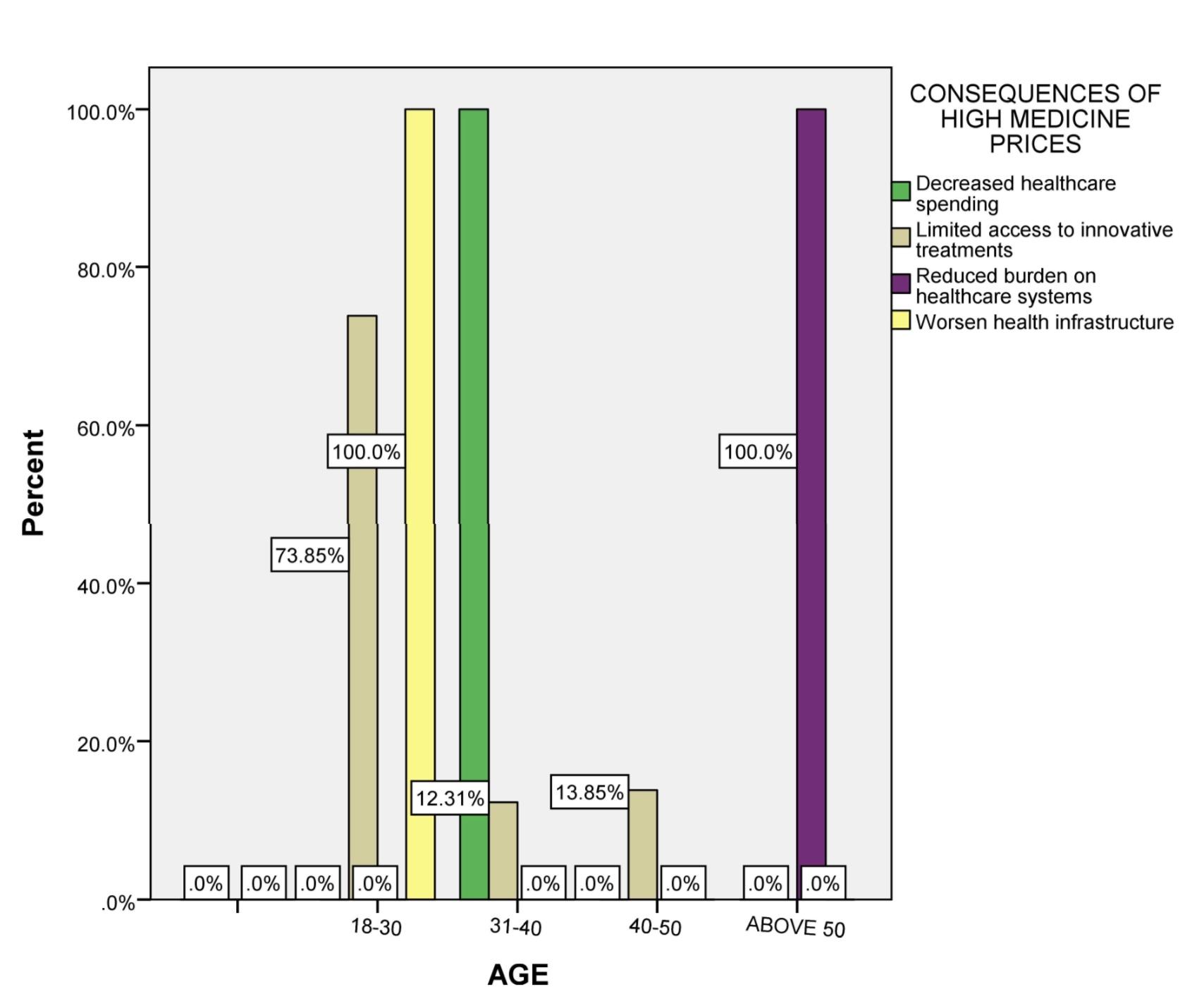
LEGEND: shows relationship between the age of the respondents and consequences of high medicine prices.
Figure 2
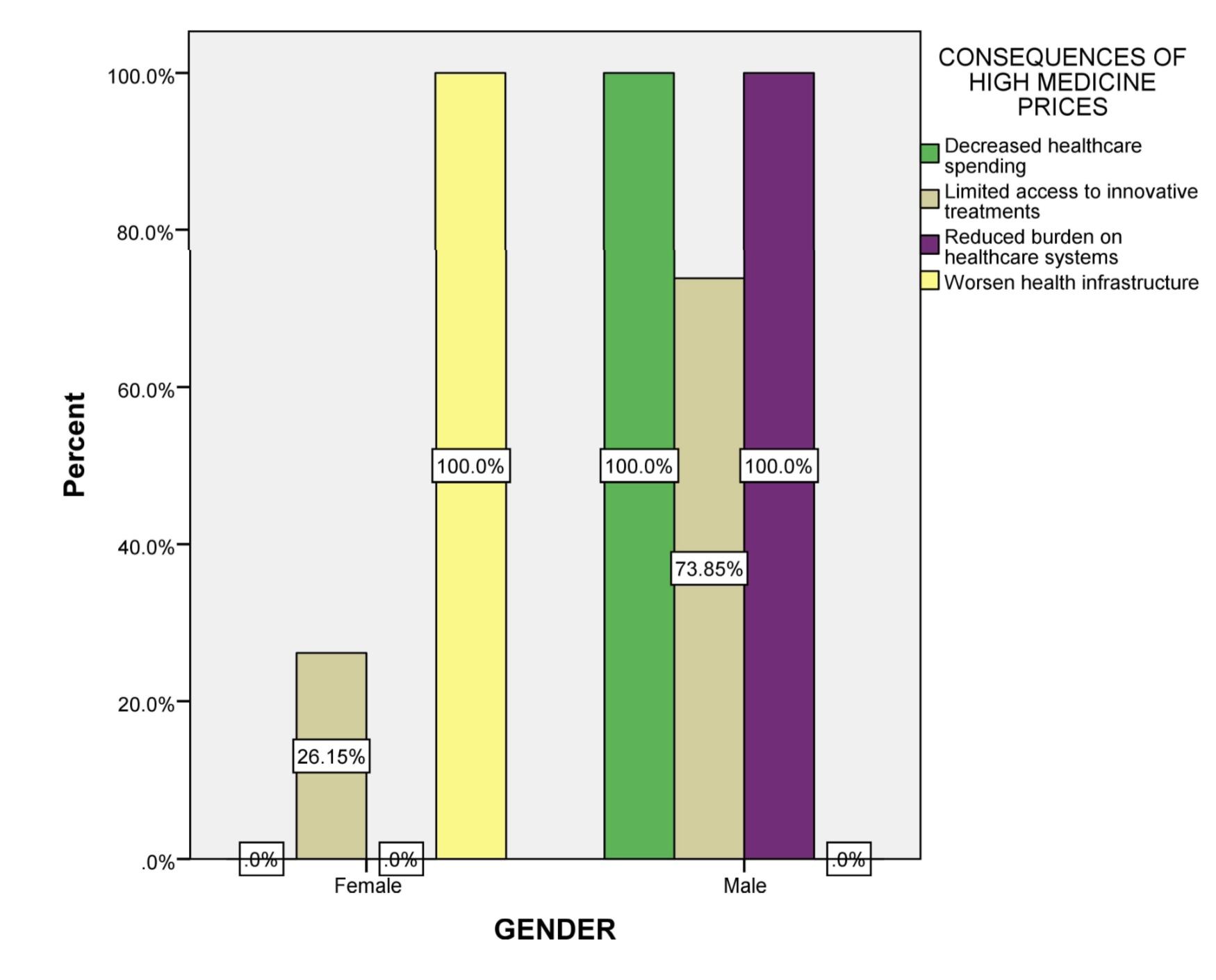
LEGEND: shows relationship between the gender of the respondents and consequences of high medicine prices.
Figure 3
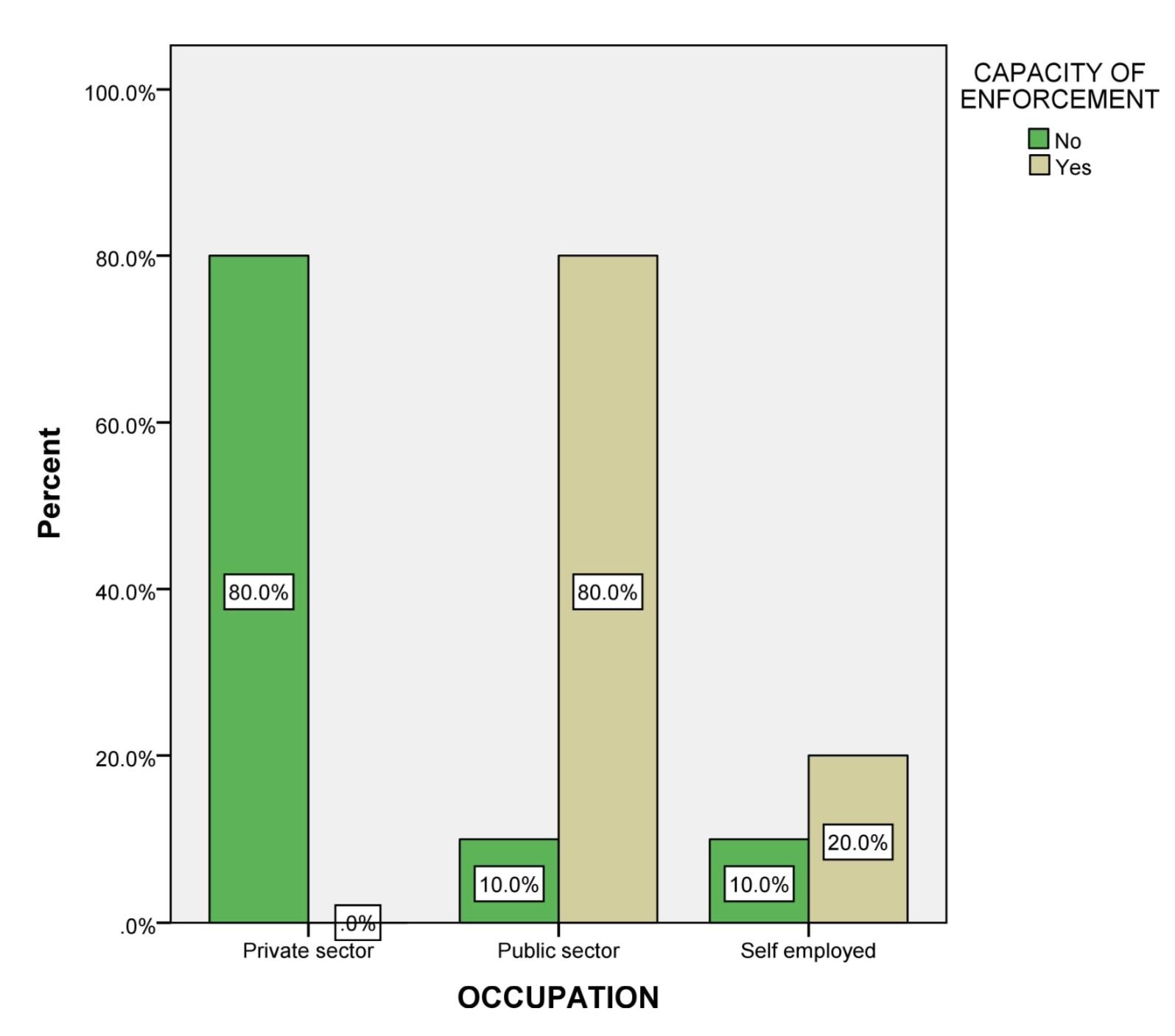
LEGEND: shows relationship between the occupation of the respondents and capacity of least developed countries to enforce patents.
Figure 4
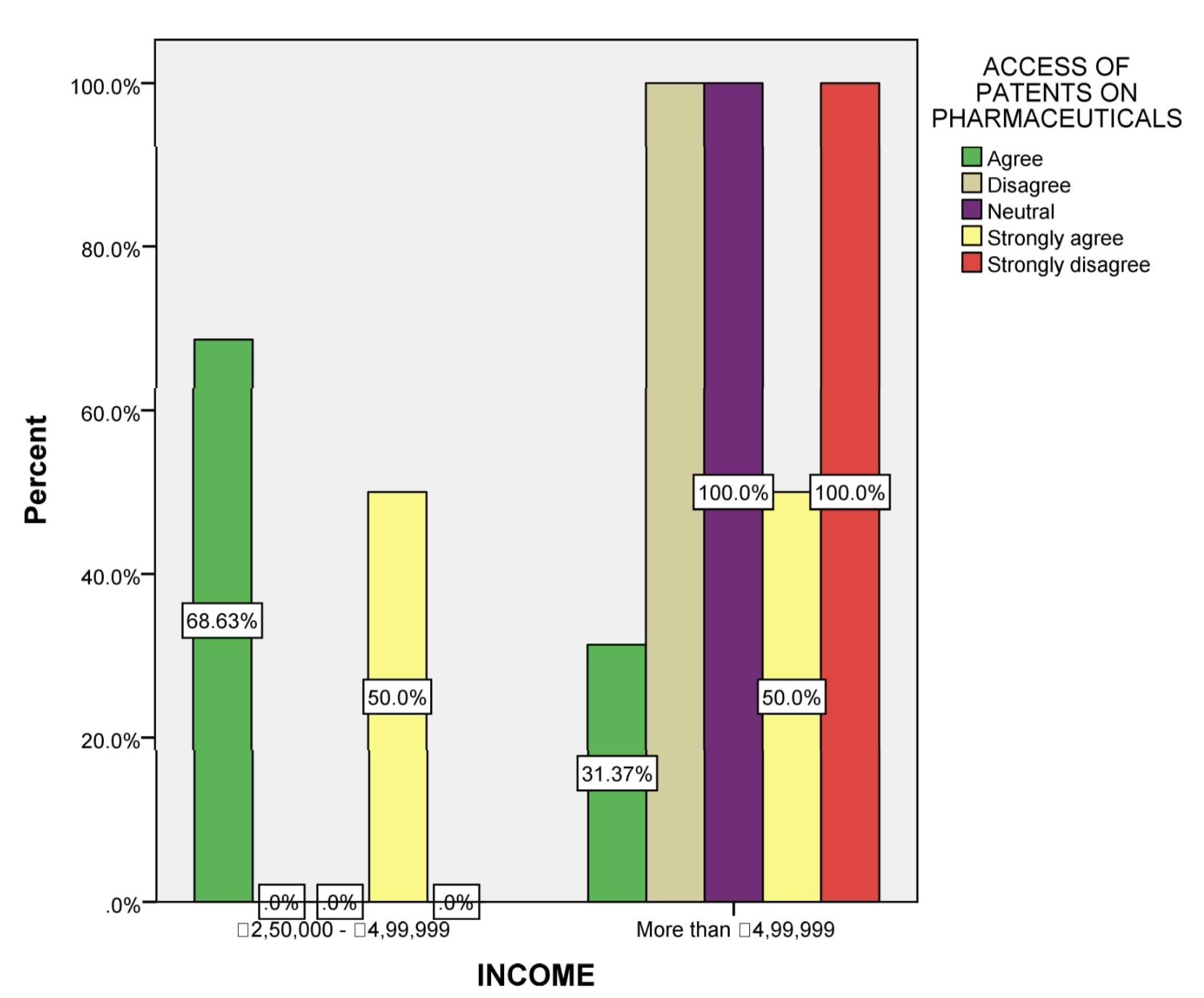
LEGEND: shows relationship between the income of the respondents and access of patent in pharmaceuticals in LCD’s.
Figure 5
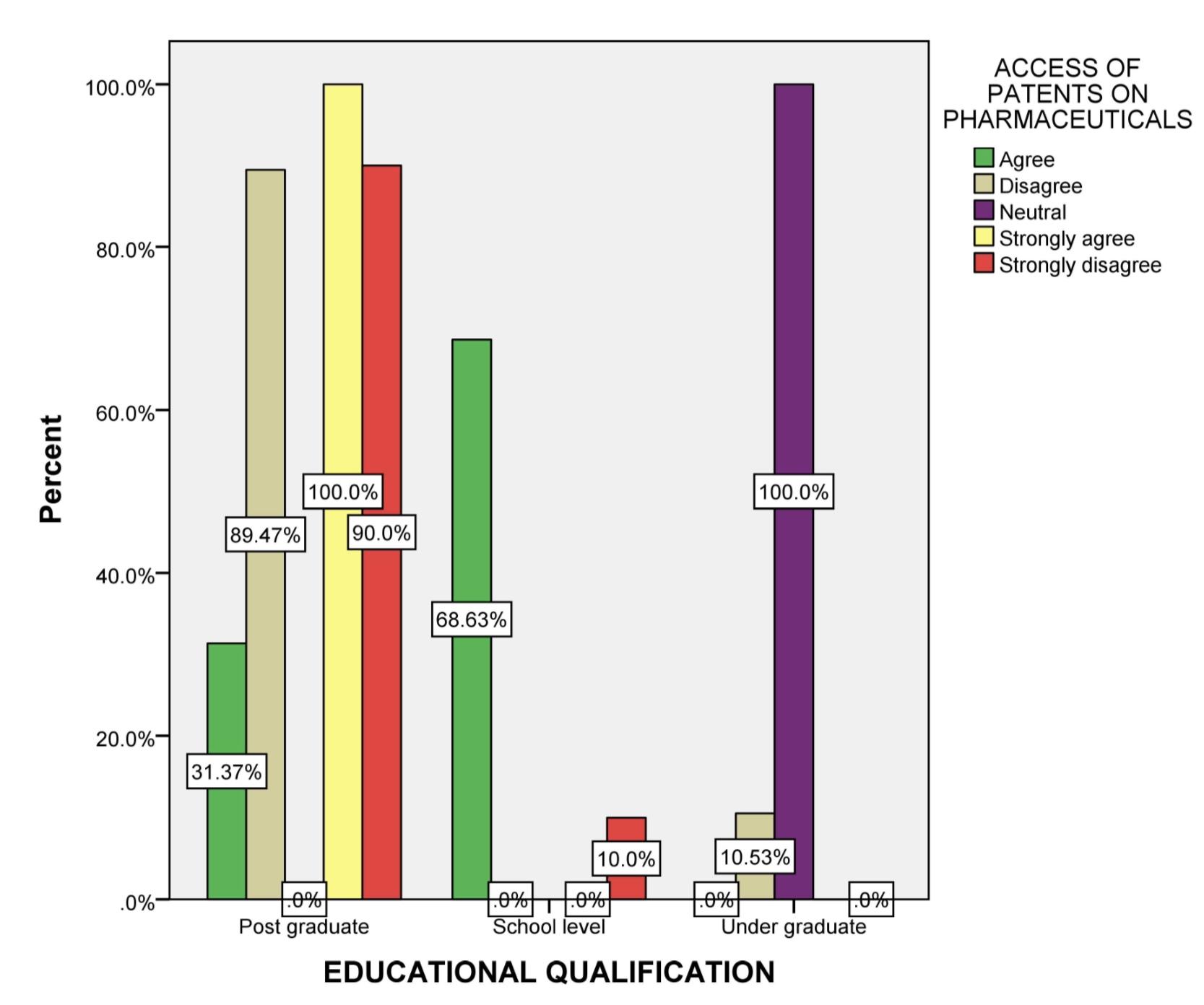
LEGEND: shows relationship between the educational qualification of the respondents and access of patents in pharmaceuticals in LCD’s.
Figure 6
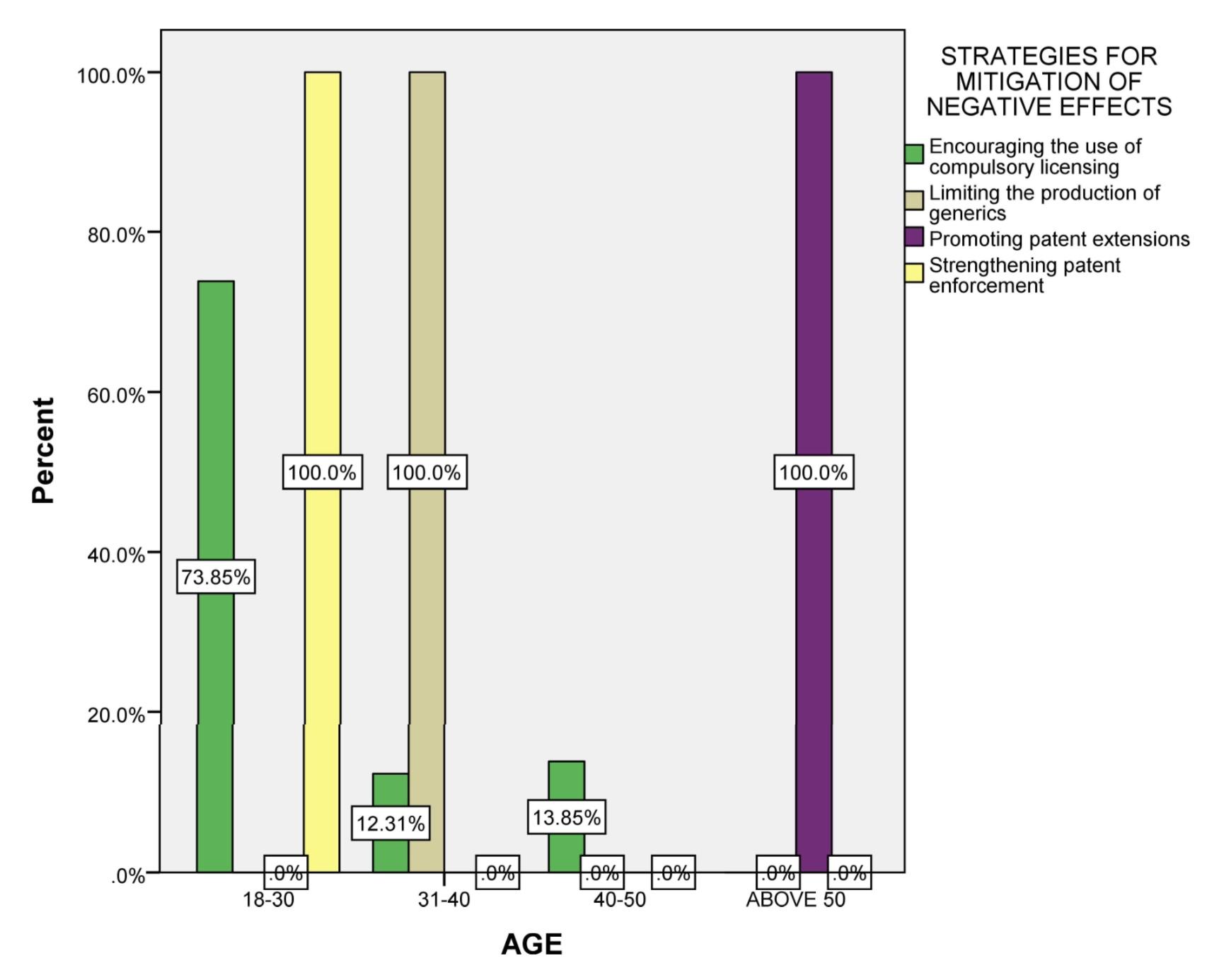
LEGEND: shows relationship between the age of the respondents and strategies for mitigation of negative effects.
Figure7
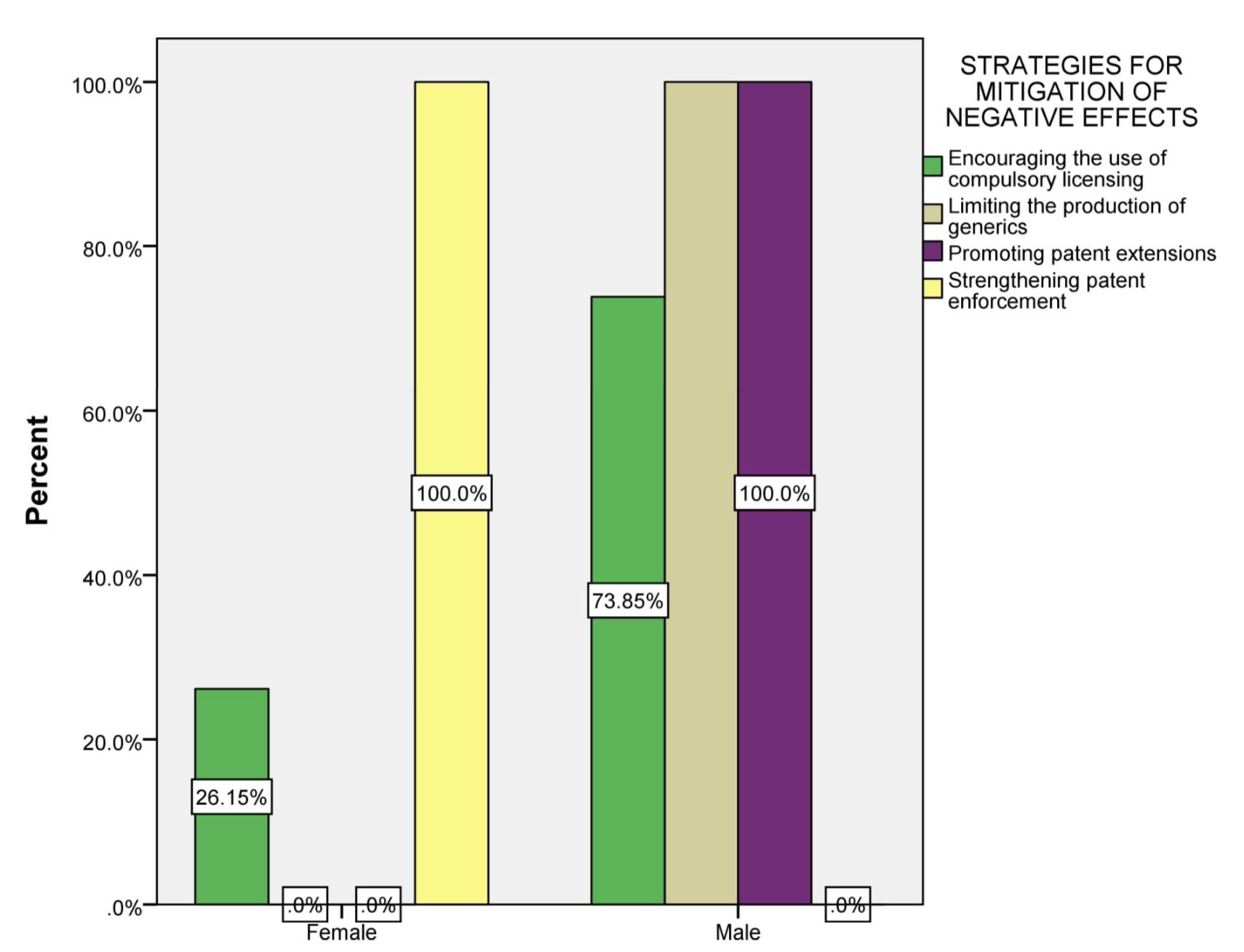
LEGEND: shows relationship between the gender of the respondents and strategies for mitigation of negative effects.
Figure 8
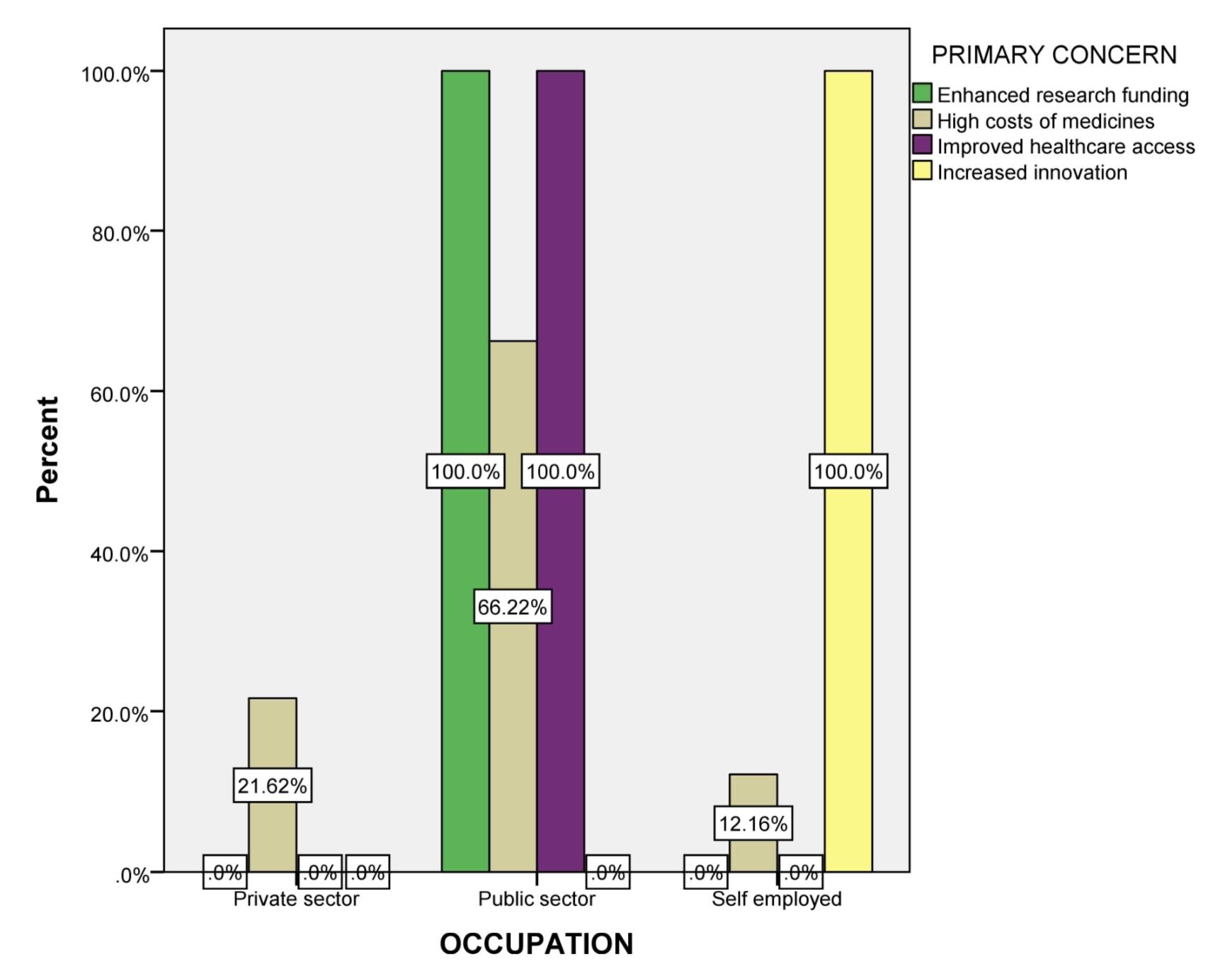
LEGEND: shows relationship between the occupation of the respondents and primary concern of pharmaceuticals patents.
Figure 9
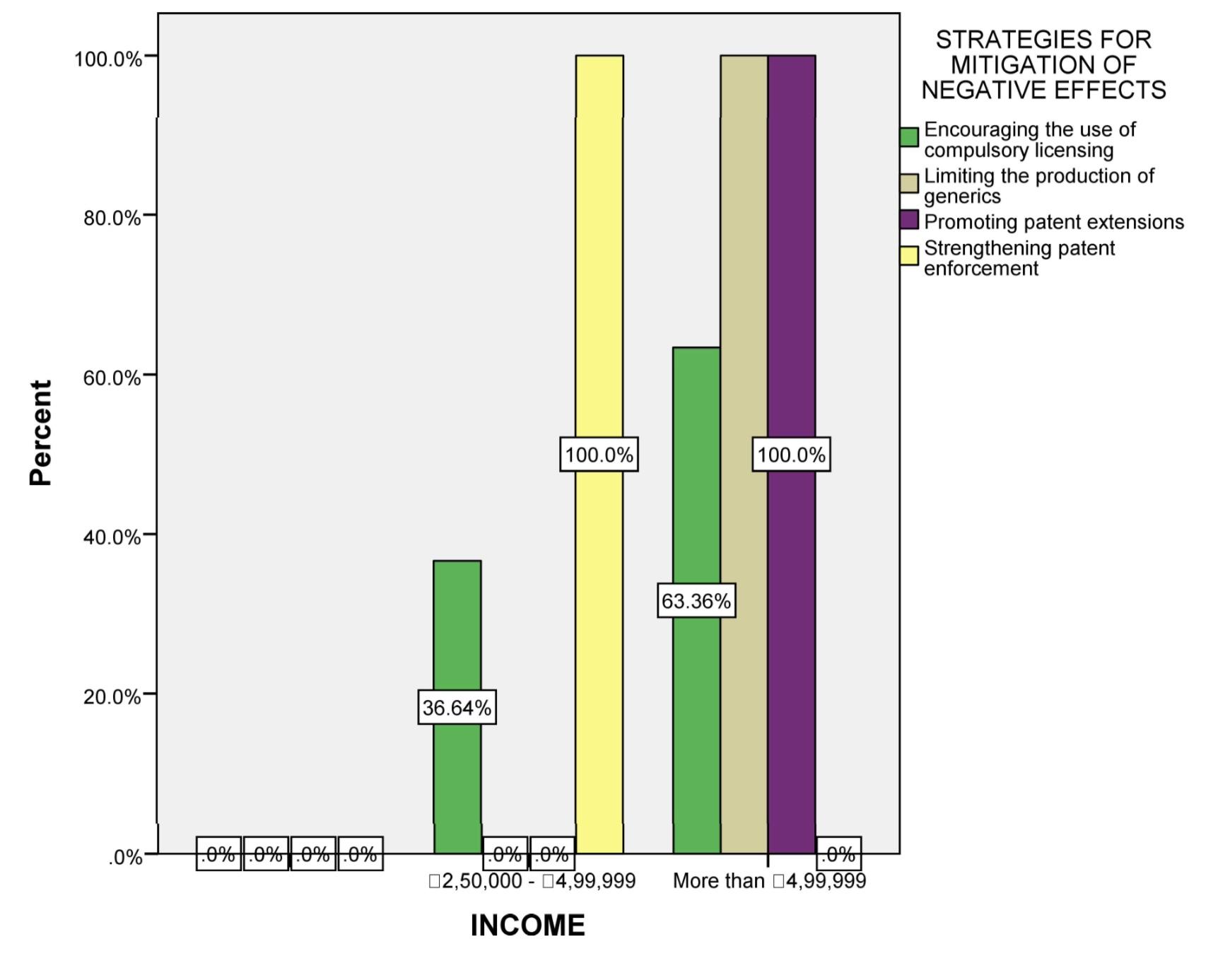
LEGEND: shows relationship between the income of the respondents and strategies for mitigation of negative effects.
Figure 10
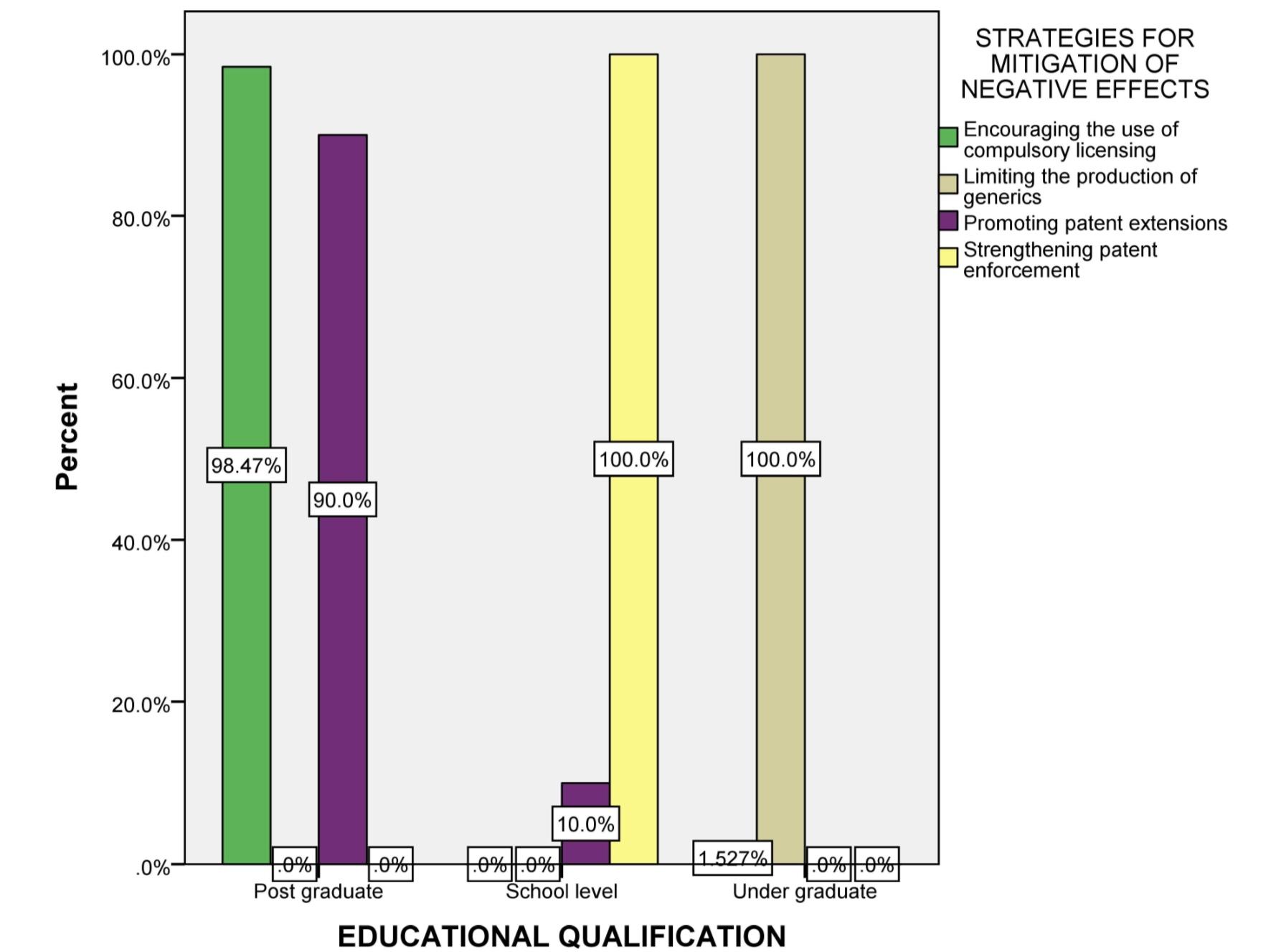
LEGEND: shows relationship between the educational qualification of the respondents and strategies for mitigation of negative effects.
Figure 11
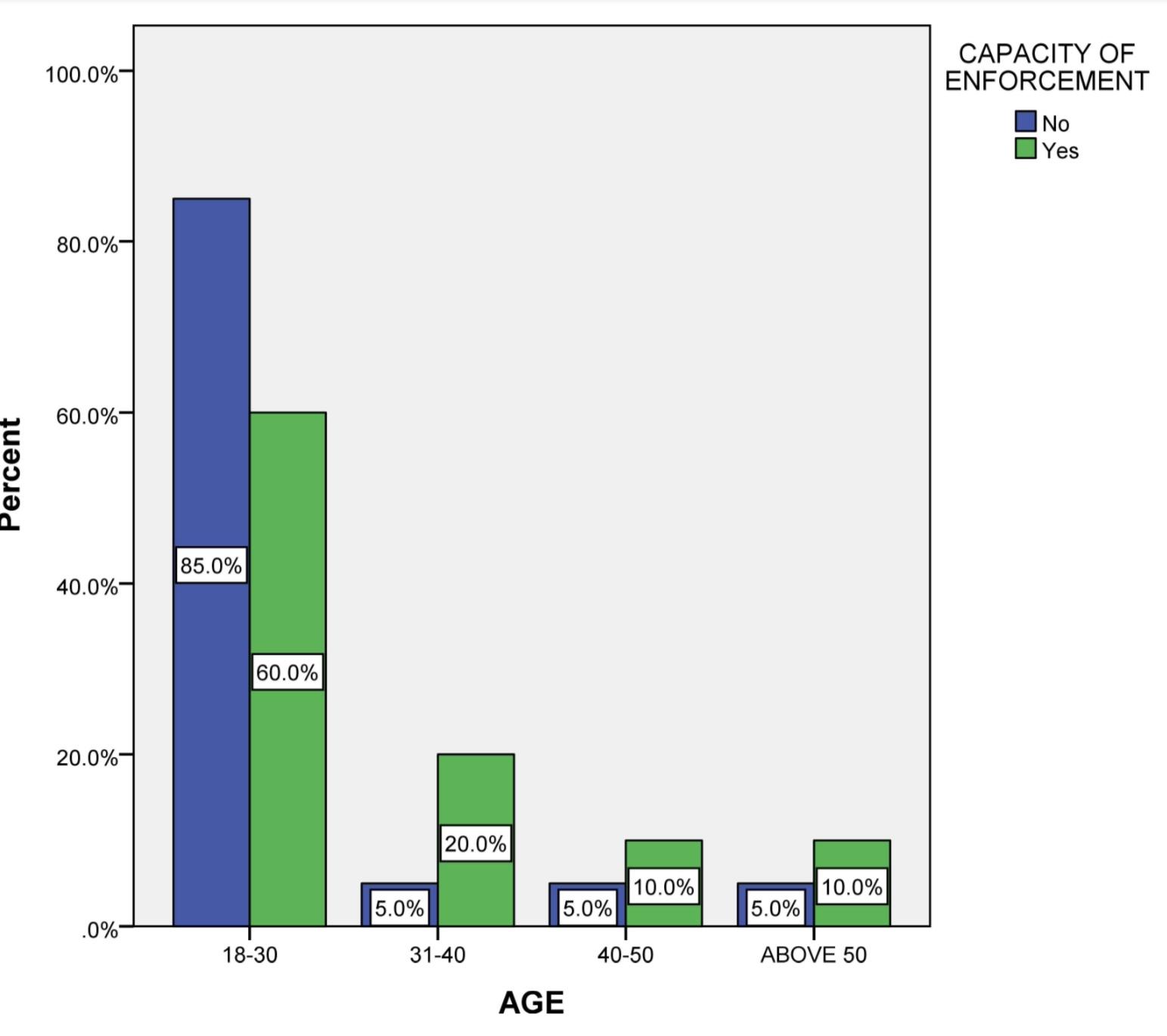
LEGEND: shows relationship between the age of the respondents and capacity of least developed countries to enforce patents.
Figure 12
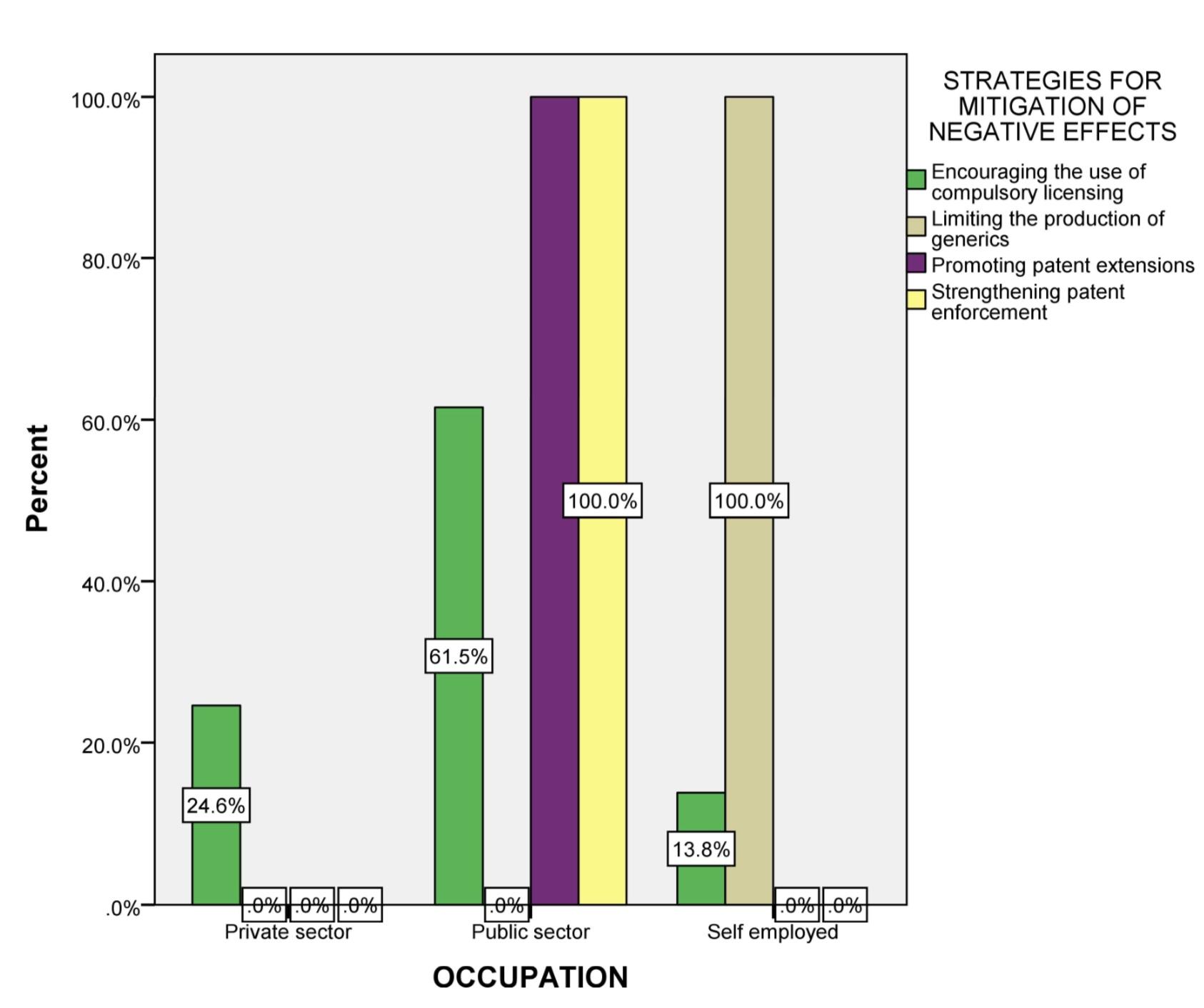
LEGEND: shows relationship between the occupation of the respondents and strategies for mitigation of negative effects.
Figure 13
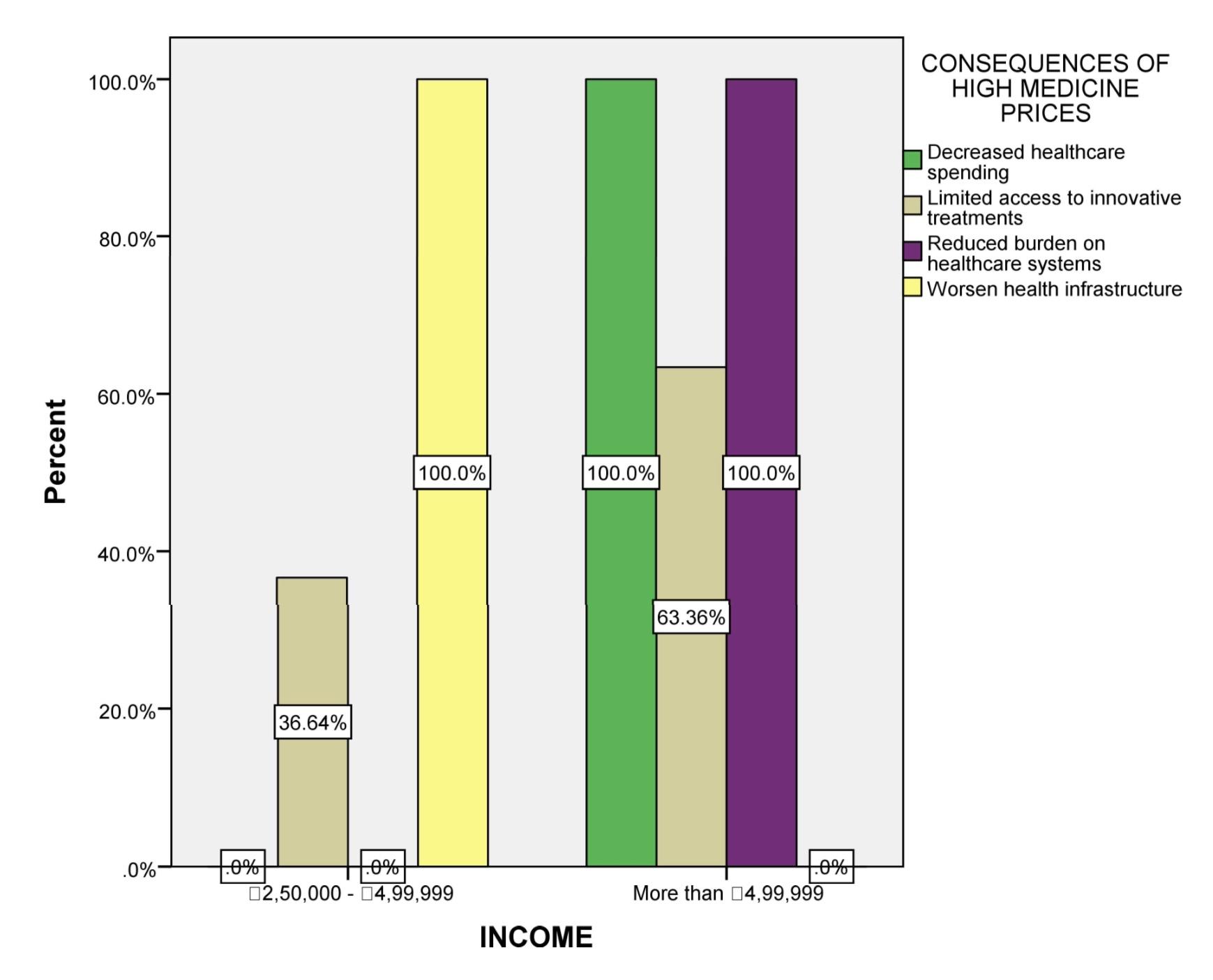
LEGEND: shows relationship between the income of the respondents and consequences of high medicine prices.
Figure 14
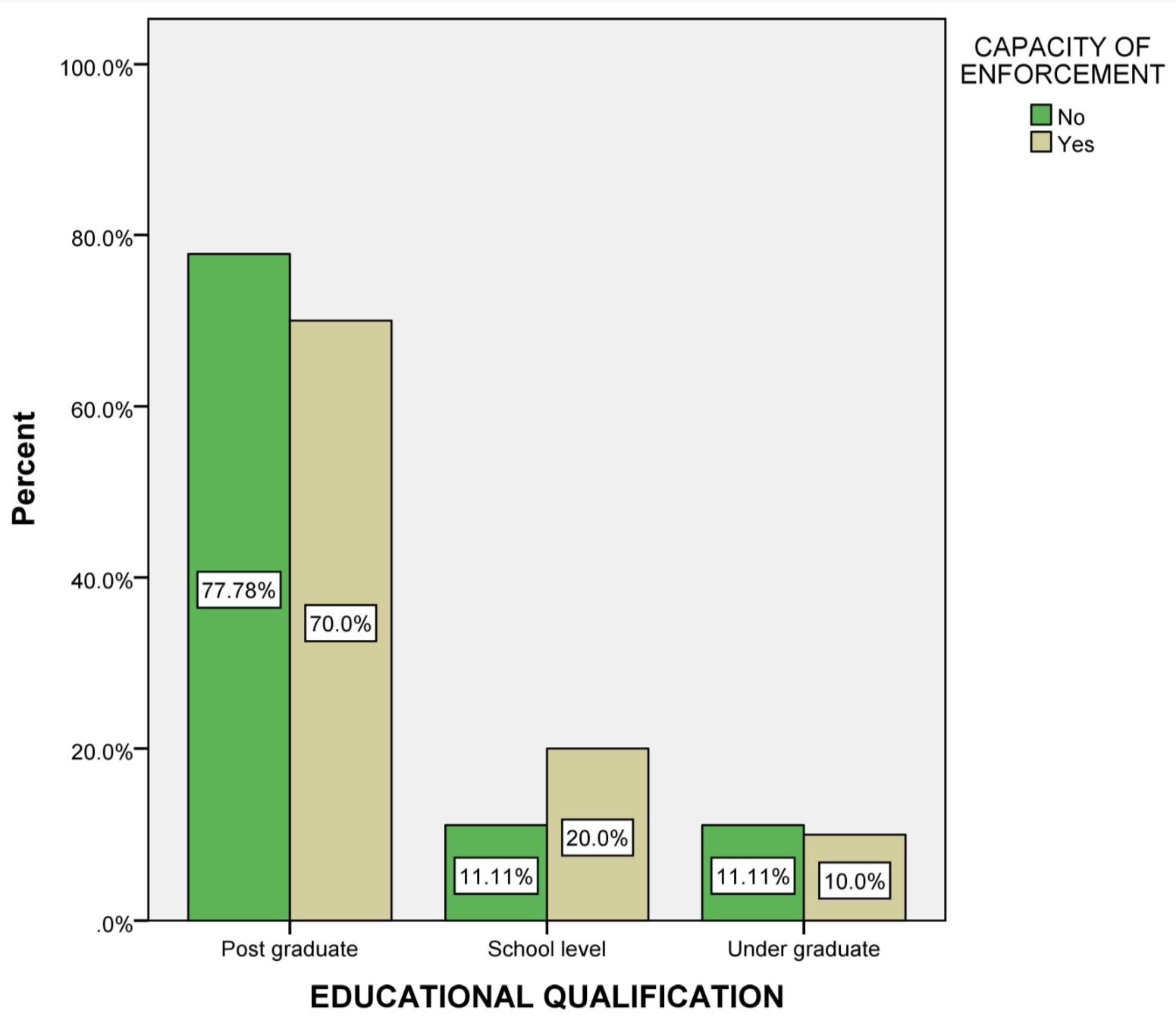
LEGEND: shows relationship between the educational qualification of the respondents and capacity of least developed countries to enforce patents.
Figure 15
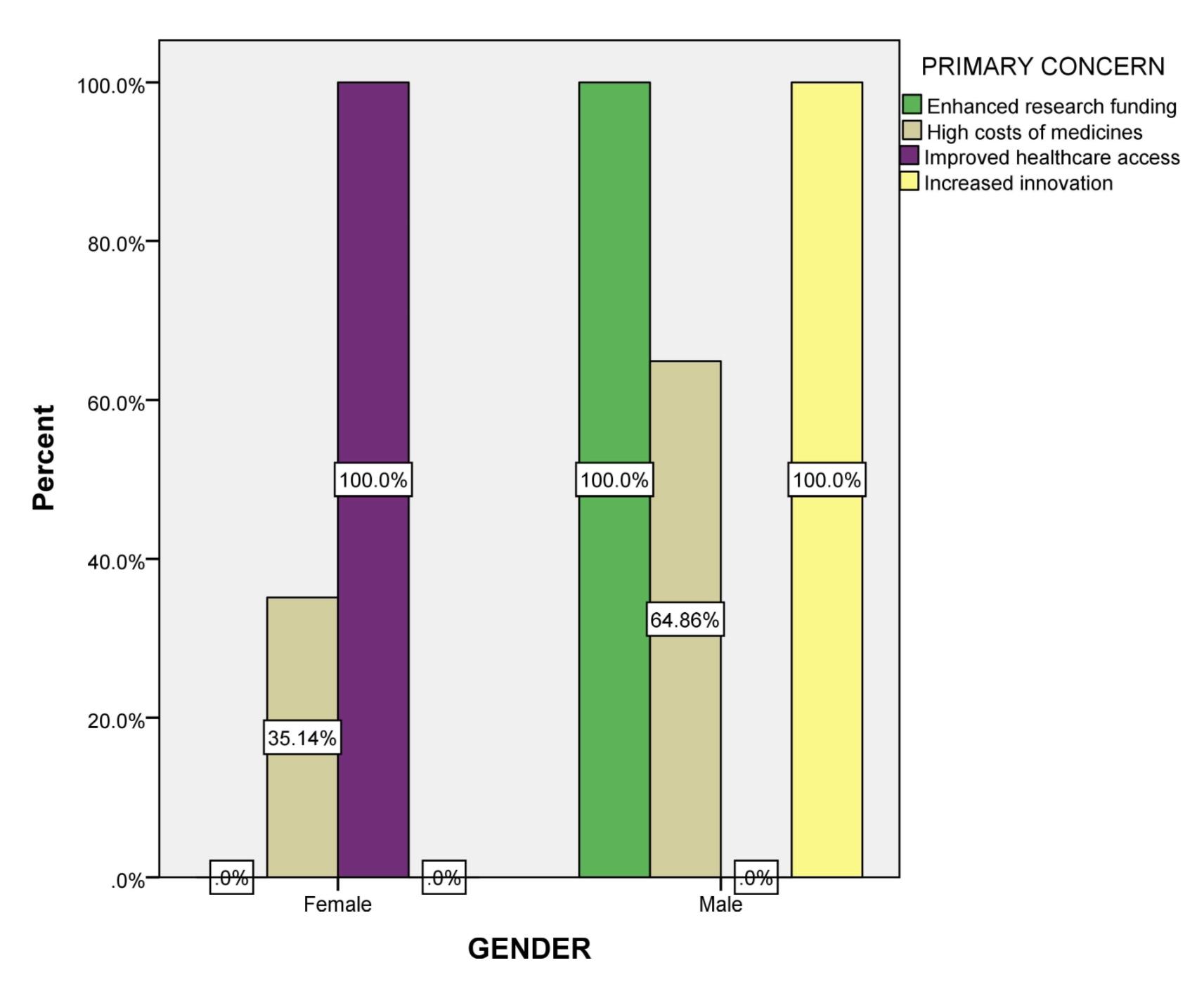
LEGEND: shows relationship between the gender of the respondents and primary concern of pharmaceutical patent..
Figure 16
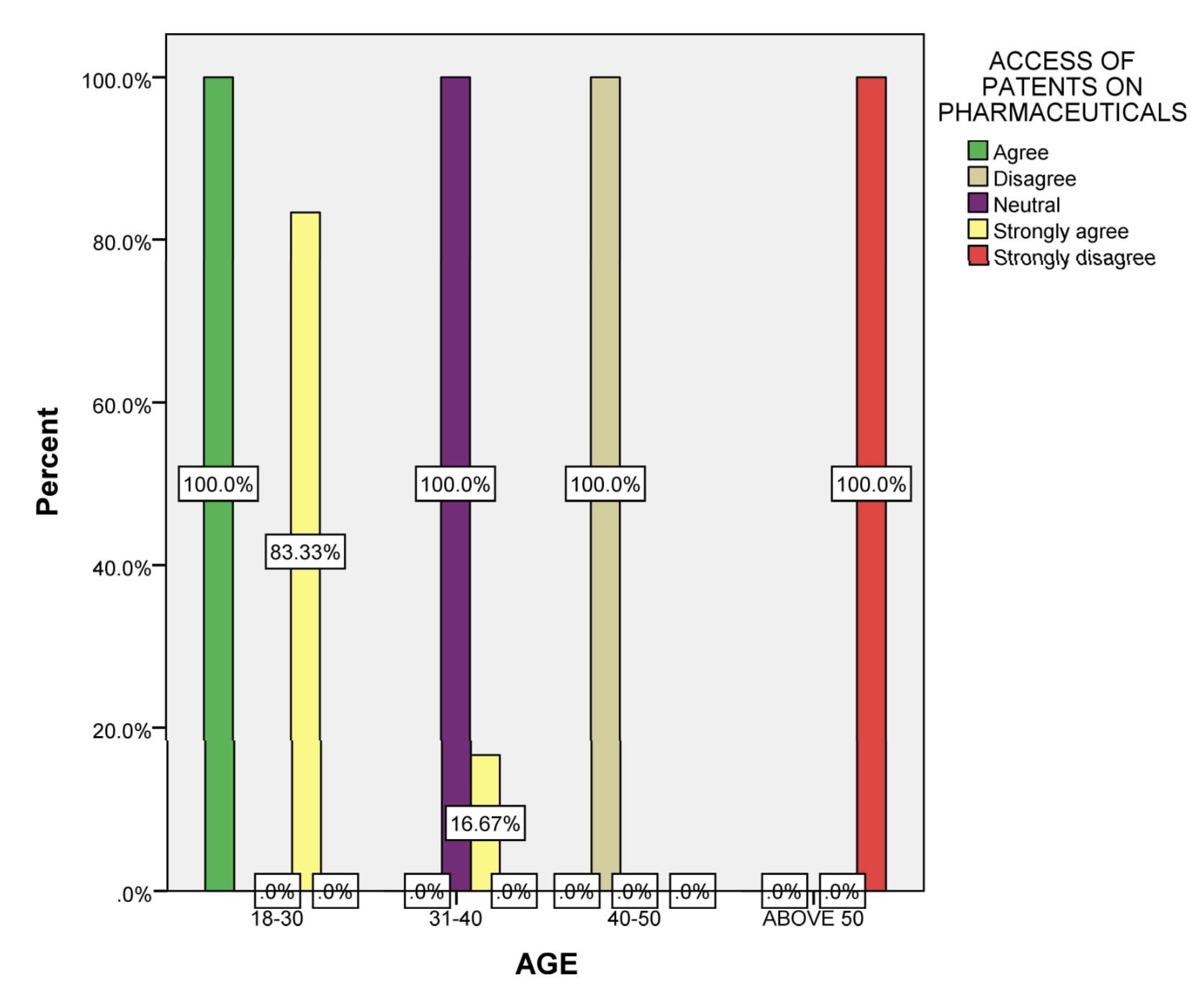
LEGEND: shows relationship between the age of the respondents and access of patents in pharmaceuticals in LCD’s.
Figure 17
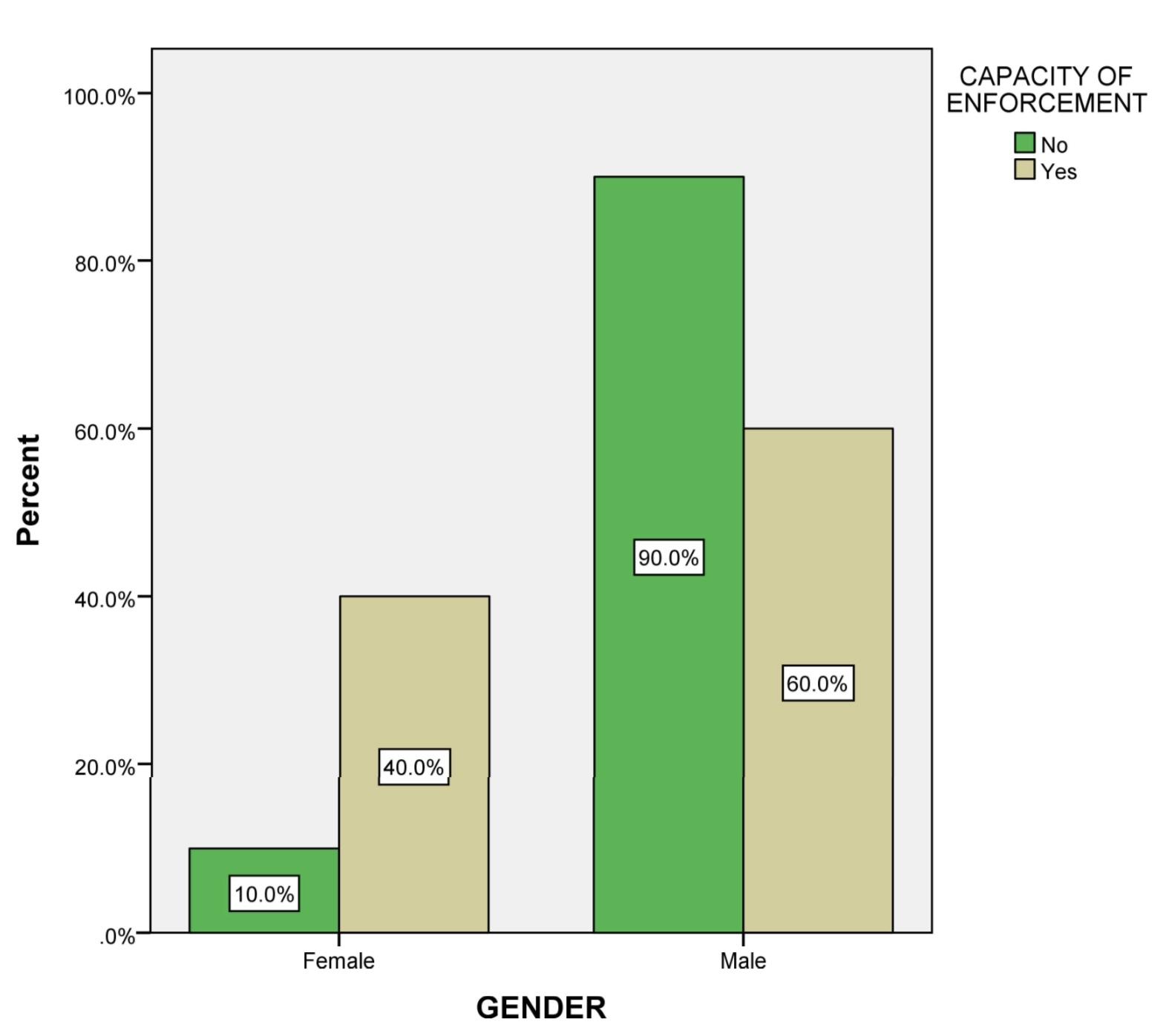
LEGEND: shows relationship between the gender of the respondents and capacity of least developed countries to enforce patents.
Figure 18
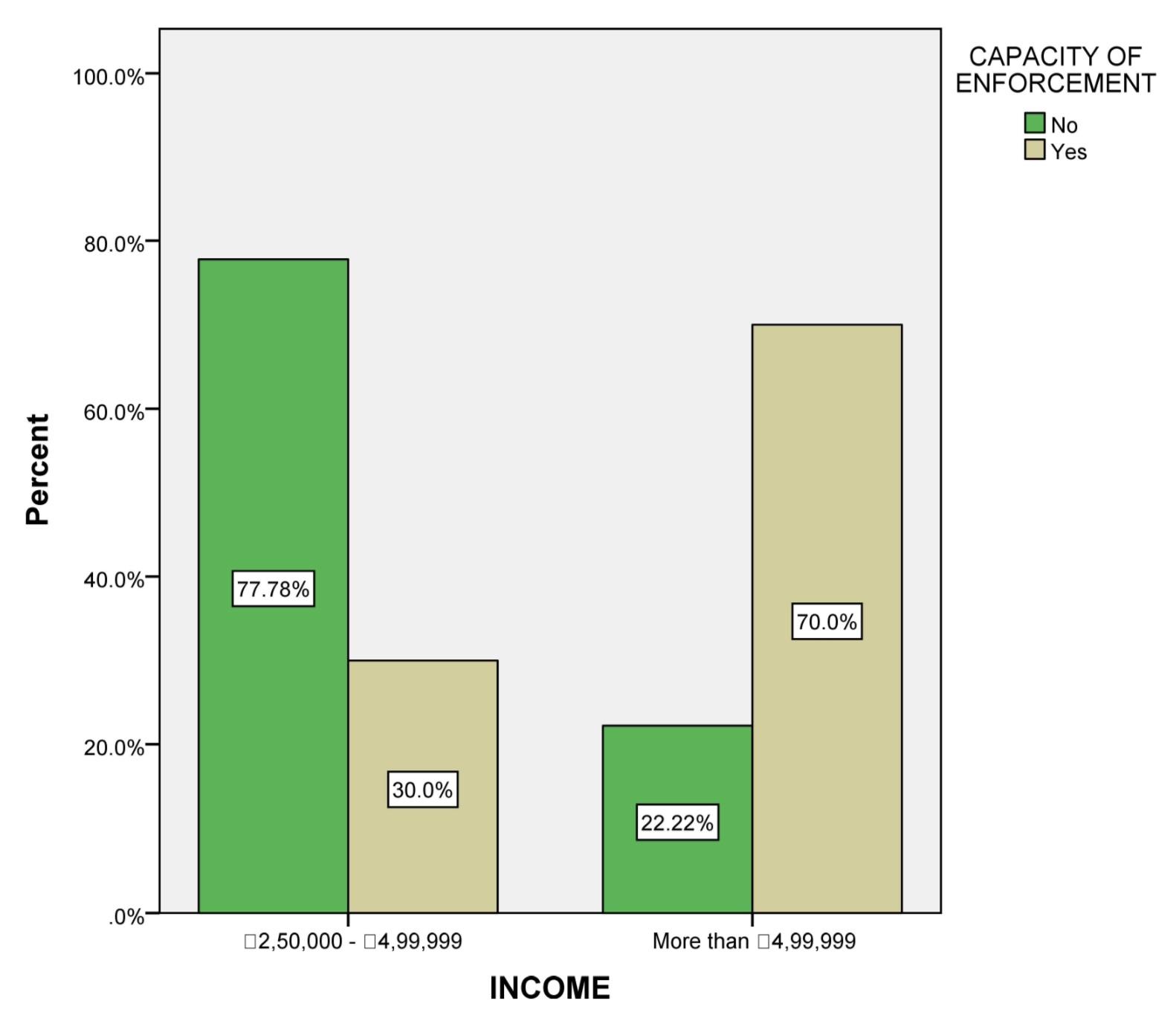
LEGEND: shows relationship between the income of the respondents and capacity of least developed countries to enforce patents.
Figure 19
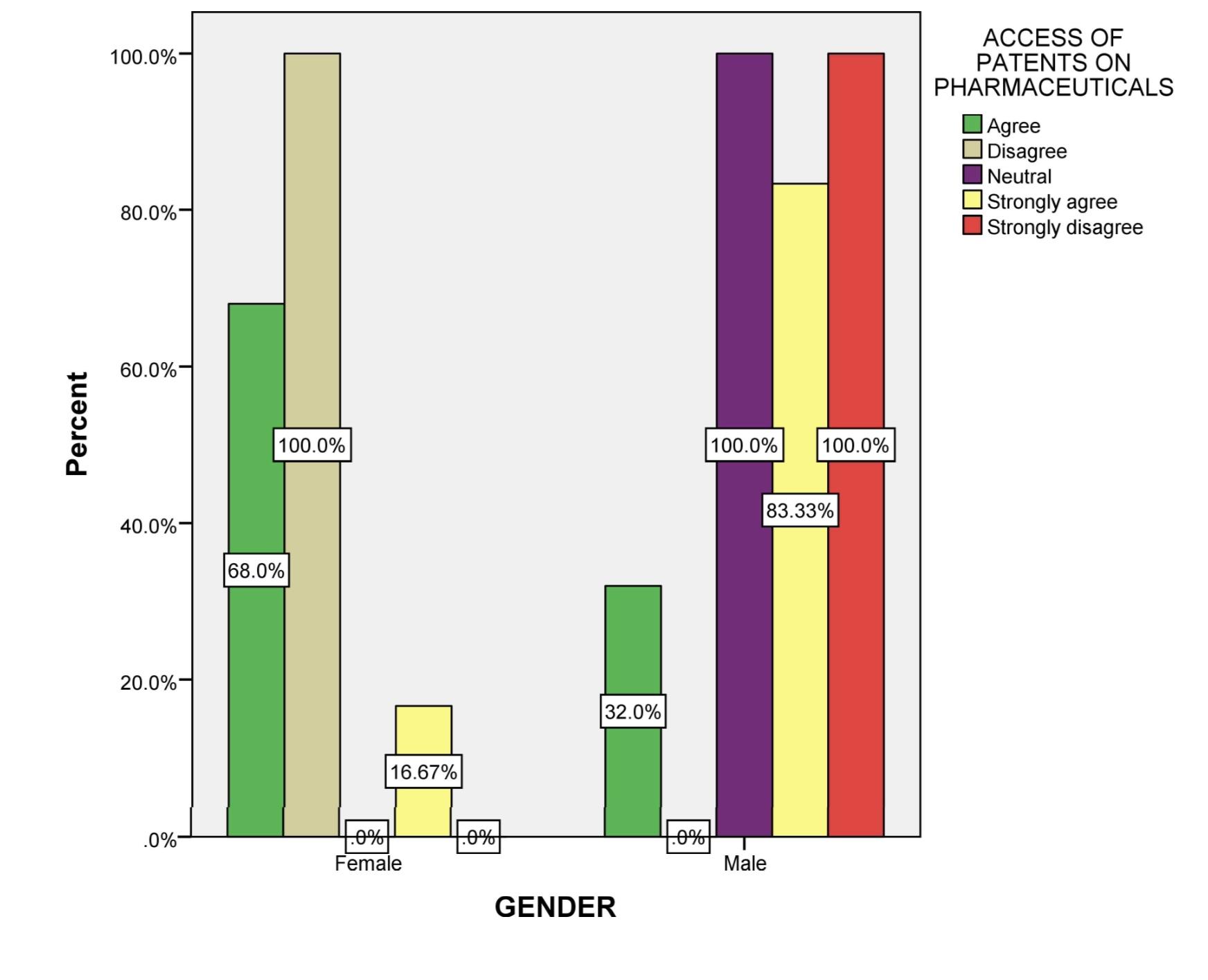
LEGEND: shows relationship between the gender of the respondents and access of patents in pharmaceuticals in LCD’s.
Figure 20
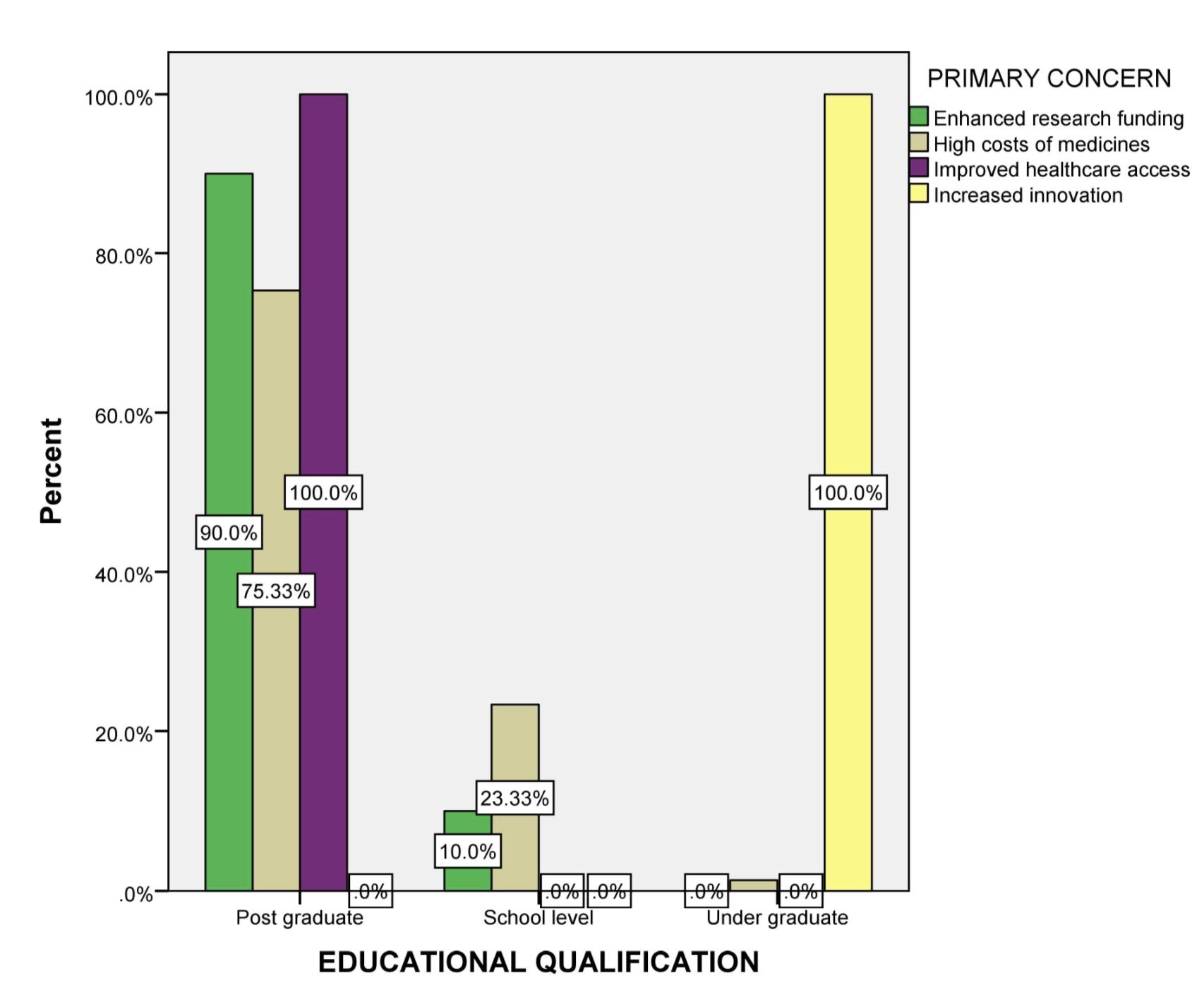
LEGEND: shows relationship between the educational qualification of the respondents and consequences of high medicine prices.
Table 1
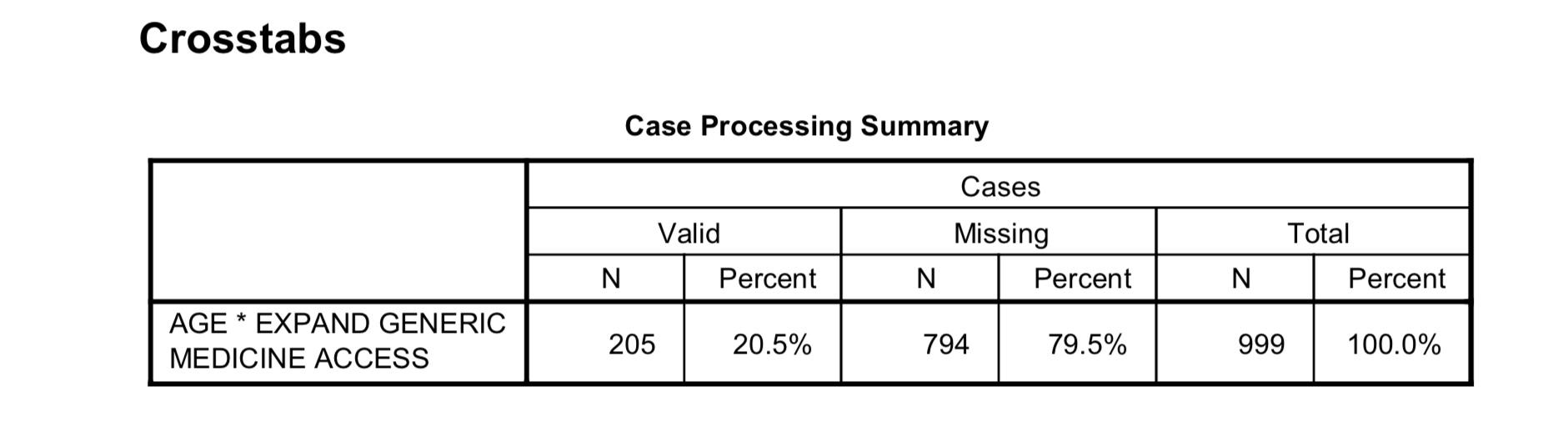
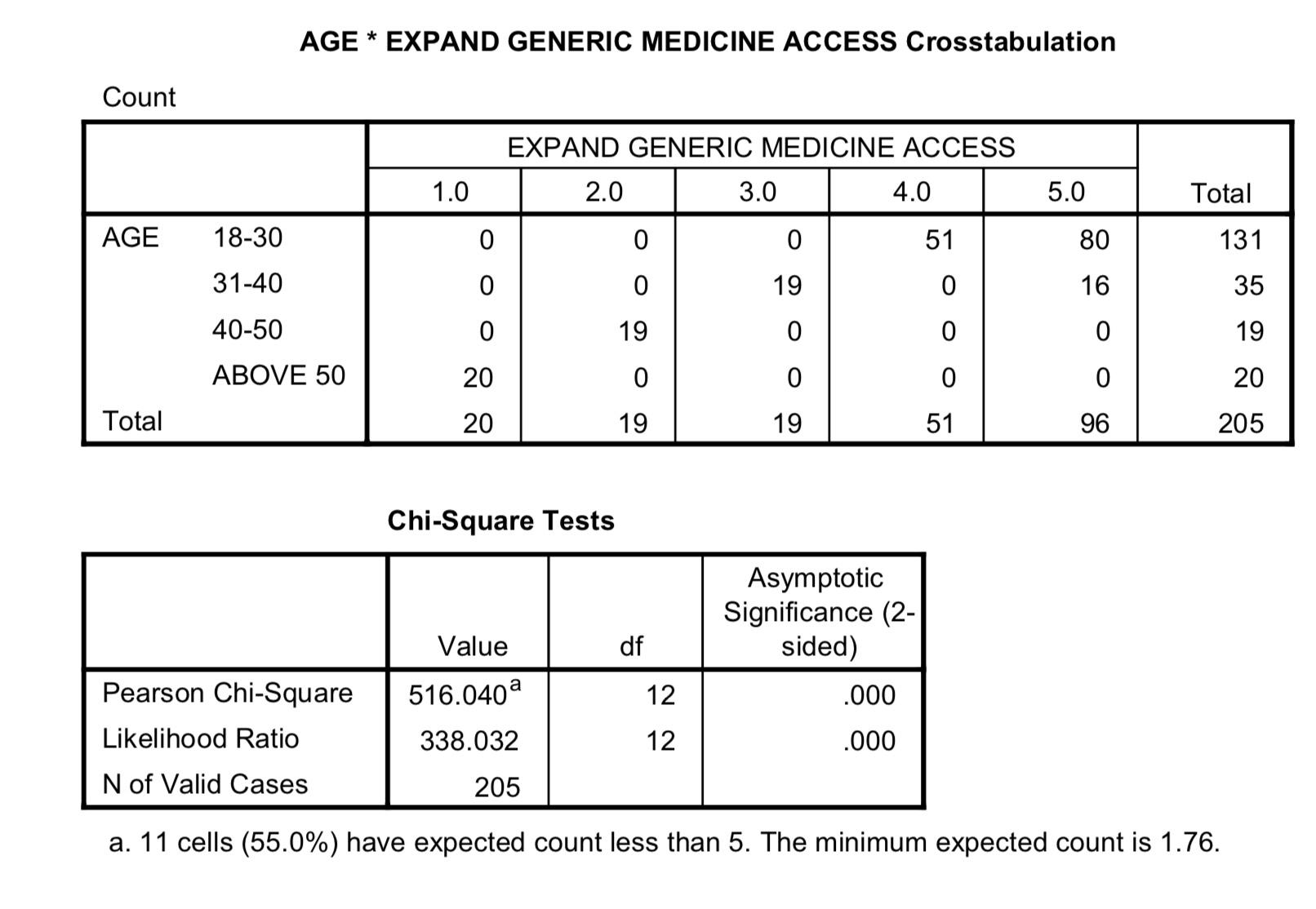
LEGEND: Show the relationship between age of the respondent and expansion of generic medicine to be widely produced and distributed.
INFERENCE:
The p value 1.76 is greater than The standard significance level usually 0.05 indicating no significant relationship between age and expansion of generic medicine to be widely produced and distributed . In other words, age does not significantly impact expansion of generic medicine to be widely produced and distributed.
Table 2
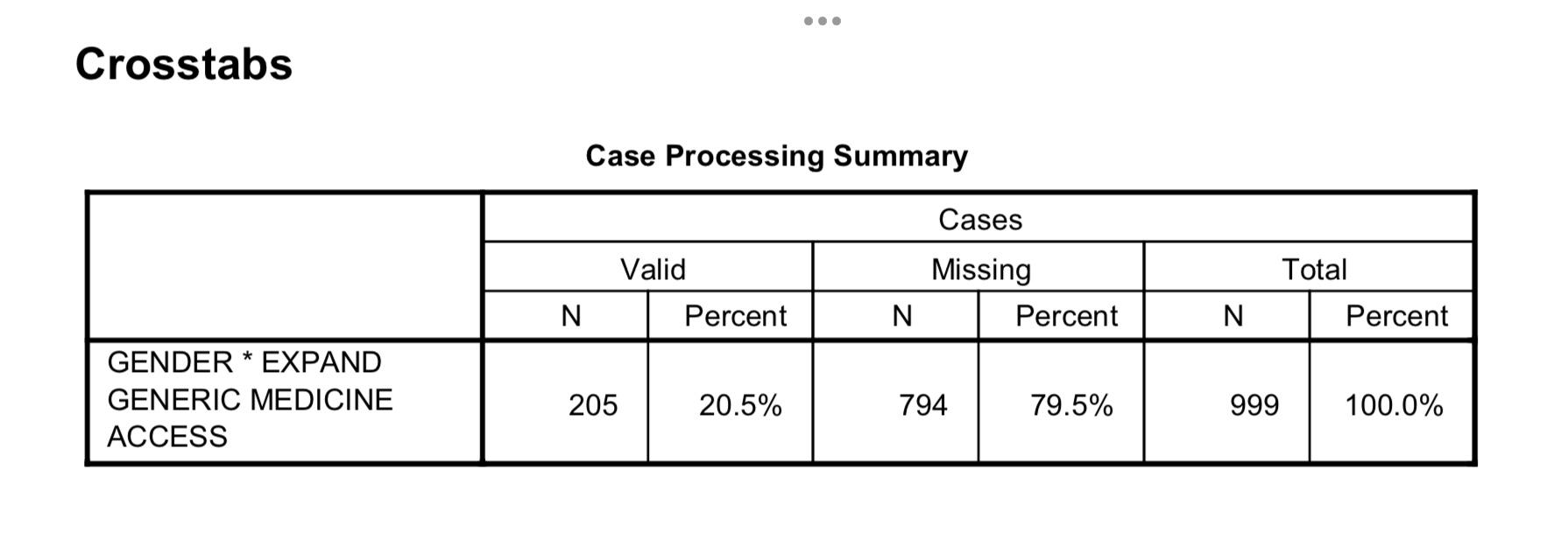
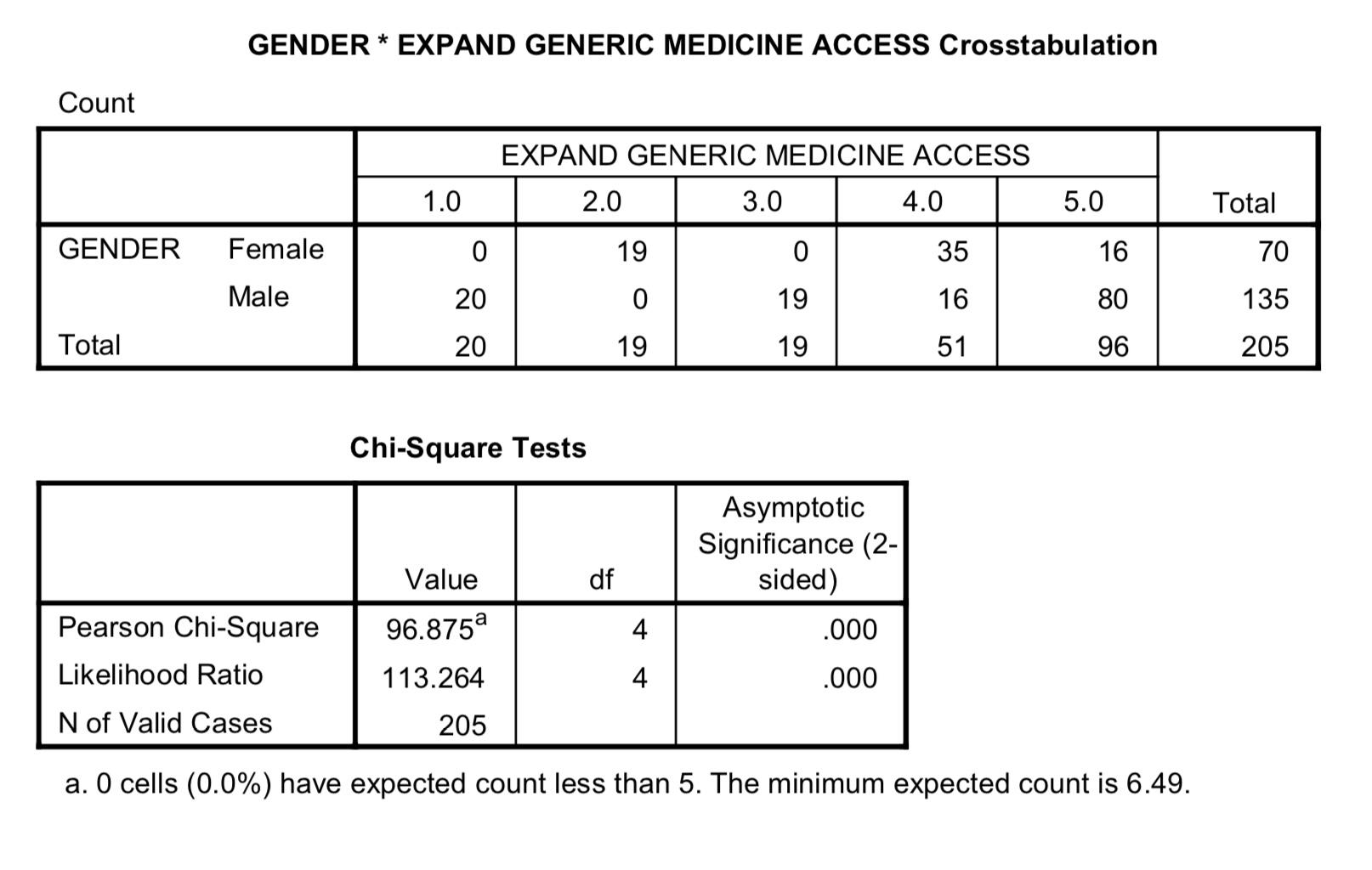
LEGEND: Show the relationship between gender of the respondent and expansion of generic medicine to be widely produced and distributed.
INFERENCE:
The p value 6.49 is greater than The standard significance level usually 0.05 indicating no significant relationship between gender and expansion of generic medicine to be widely produced and distributed . In other words, gender does not significantly impact expansion of generic medicine to be widely produced and distributed.
Table 3
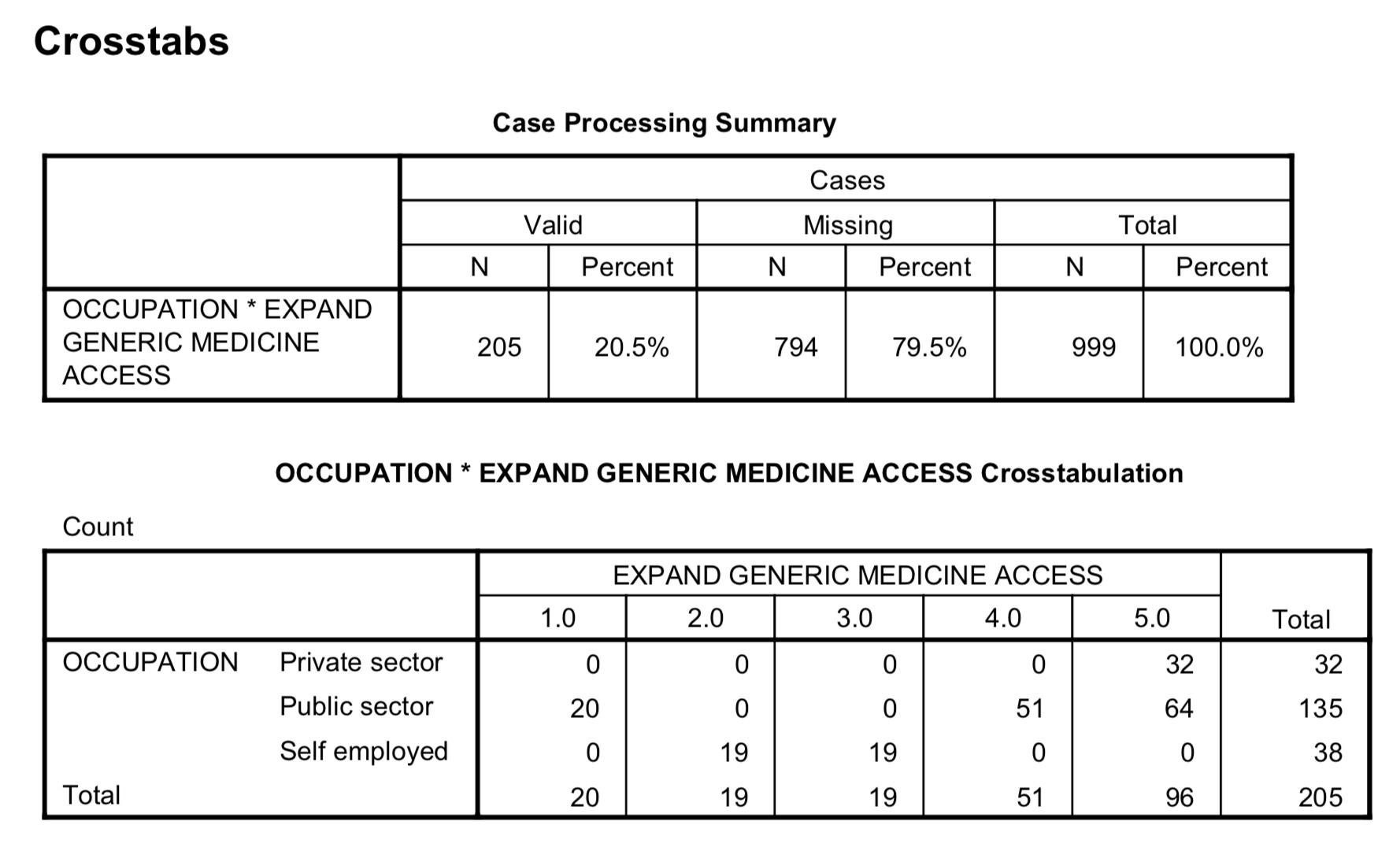
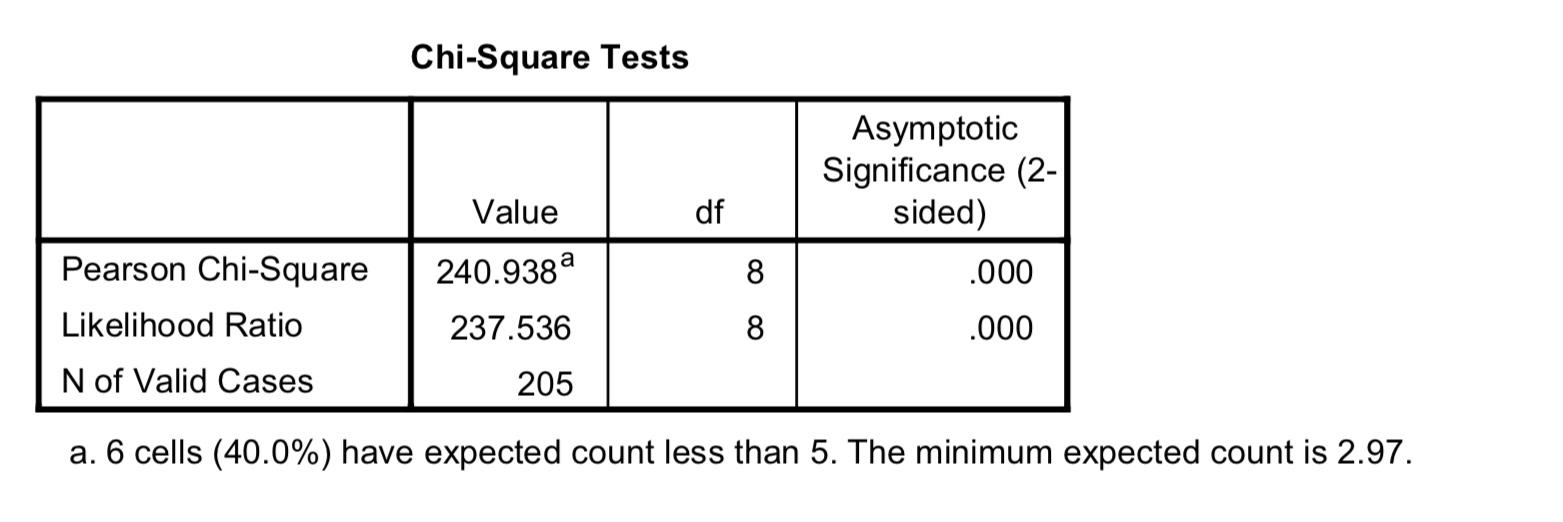
LEGEND: Show the relationship between occupation of the respondent and expansion of generic medicine to be widely produced and distributed.
INFERENCE:
The p value 2.97 is greater than The standard significance level usually 0.05 indicating no significant relationship between occupation and expansion of generic medicine to be widely produced and distributed . In other words, occupation does not significantly impact expansion of generic medicine to be widely produced and distributed.
Table 4
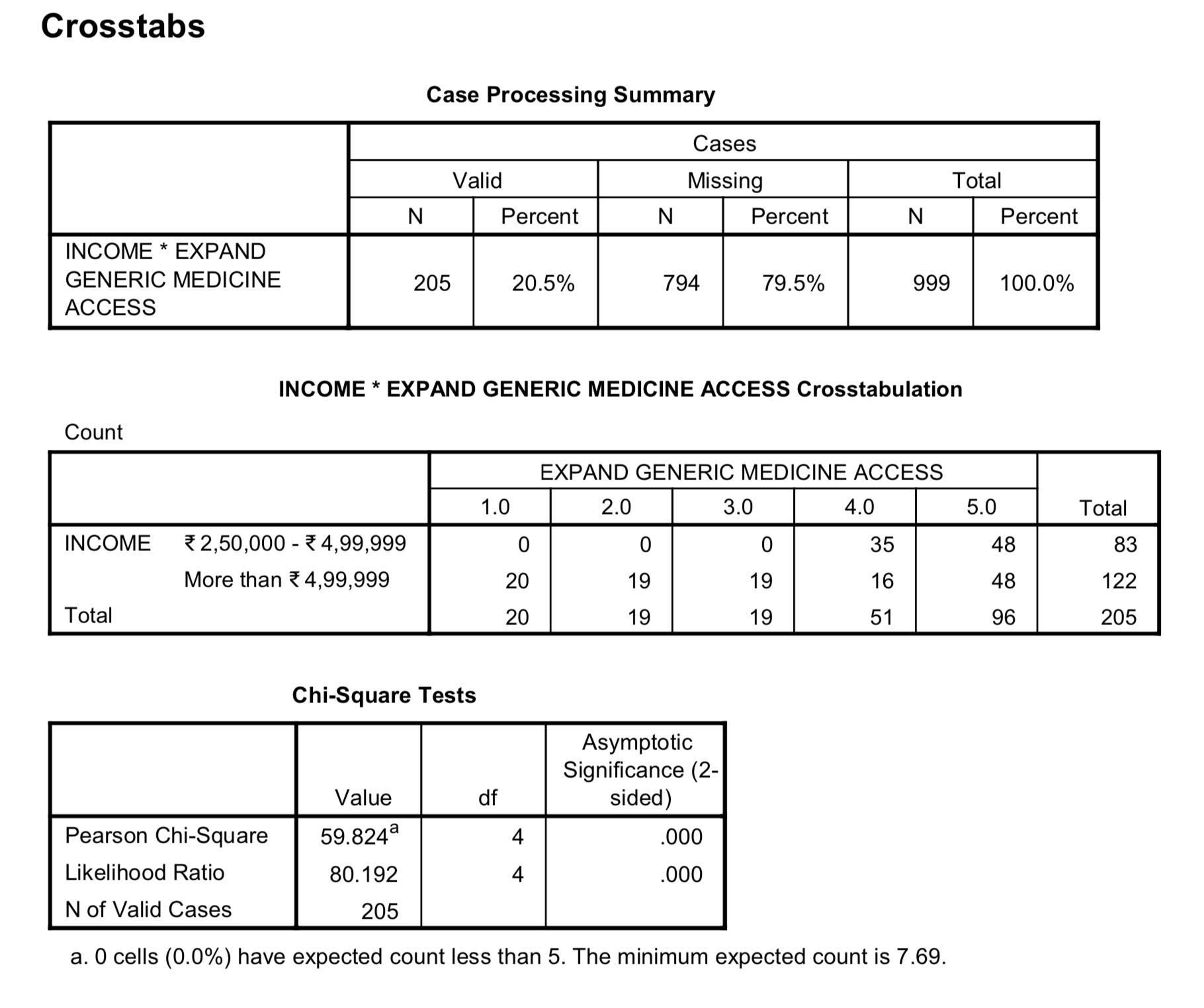
LEGEND: Show the relationship between income of the respondent and expansion of generic medicine to be widely produced and distributed.
INFERENCE:
The p value 7.69 is greater than The standard significance level usually 0.05 indicating no significant relationship between income and expansion of generic medicine to be widely produced and distributed . In other words, income does not significantly impact expansion of generic medicine to be widely produced and distributed.
Table 5
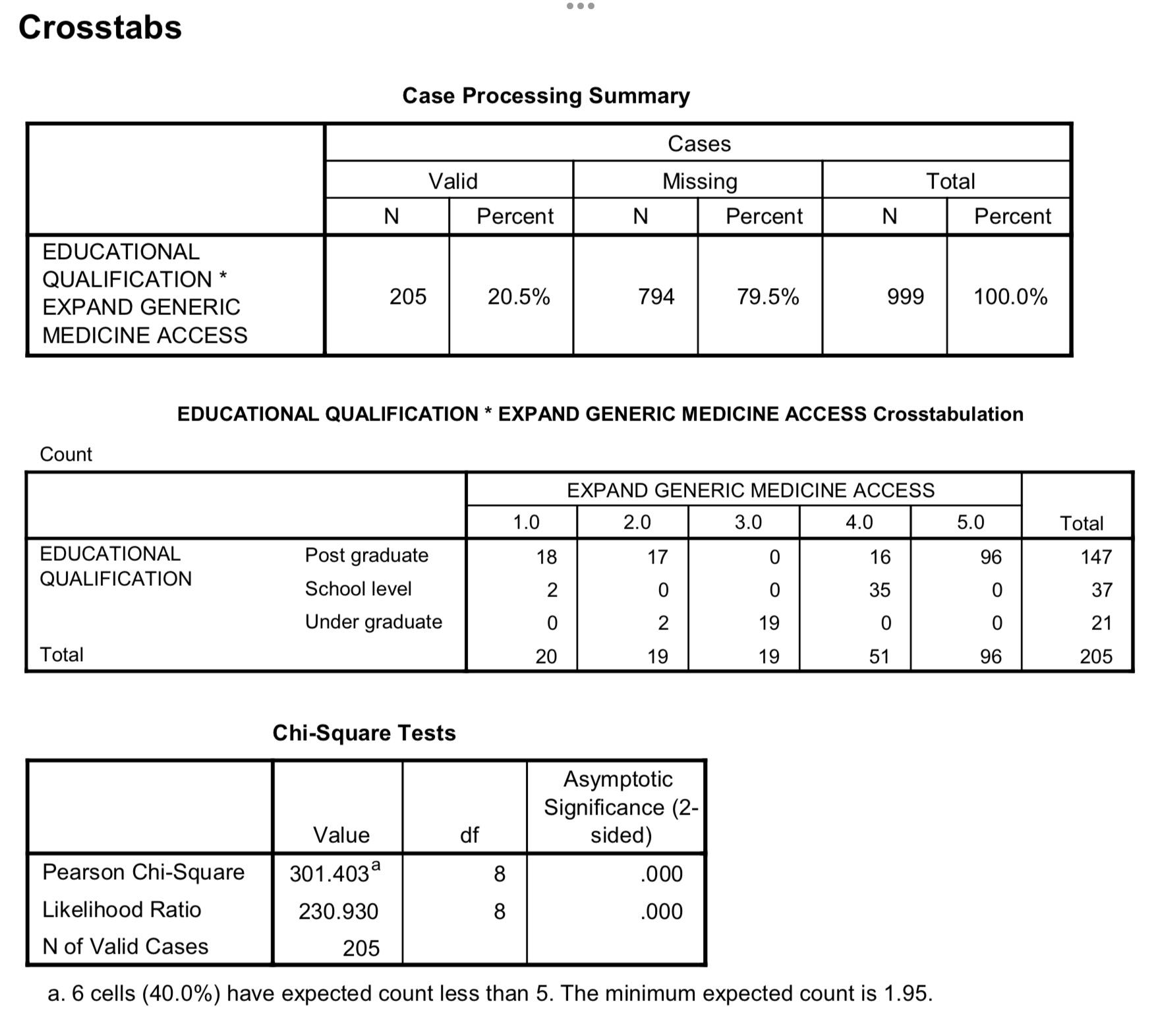
LEGEND: Show the relationship between educational qualification of the respondent and expansion of generic medicine to be widely produced and distributed.
INFERENCE:
The p value 1.95 is greater than The standard significance level usually 0.05 indicating no significant relationship between educational qualification and expansion of generic medicine to be widely produced and distributed . In other words, educational qualification does not significantly impact expansion of generic medicine to be widely produced and distributed.
RESULTS
Figure 1The graph illustrates the varying consequences of high medicine prices across different age groups. The 18-30 age group experiences the highest impact, facing all four consequences: decreased healthcare spending, limited access to innovative treatments, reduced burden on healthcare systems, and worsened health infrastructure. The 31-40 age group also faces substantial consequences, with decreased healthcare spending and limited access to innovative treatments being the most prevalent. The 40-50 age group experiences a moderate impact, with reduced burden on healthcare systems and worsened health infrastructure being the most common. The above 50 age group experiences the least impact, with only decreased healthcare spending being a significant consequence.Figure 2The graph illustrates the varying consequences of high medicine prices across different genders. Males experience the highest impact, facing all four consequences: decreased healthcare spending at 100%, limited access to innovative treatments at 100%, reduced burden on healthcare systems at 100%, and worsened health infrastructure at 100%. Females also face substantial consequences, with decreased healthcare spending at 26.15% and limited access to innovative treatments at 73.85% being the most prevalent.Figure 3 the graph illustrates the perceived capacity of enforcement of labor laws across different occupations. The private sector shows the highest perceived capacity of enforcement at 80%, followed by the public sector at 80%, and then the self-employed sector at 20%. Figure 4 graph illustrates the varying opinions on access to patents on pharmaceuticals across different income groups. Individuals with an income less than 250,000 show the highest percentage of agreement at 68.63%, followed by those with an income between 250,000 and 499,999 at 50%, and then those with an income more than 499,999 at 31.37%.Figure 5 The graph illustrates the varying opinions on access to patents on pharmaceuticals across different educational qualifications. Individuals with a postgraduate qualification show the highest percentage of agreement at 89.47%, followed by those with a school level qualification at 68.63%, and then those with an undergraduate qualification at 31.37%Figure 6 The graph illustrates varying levels of support for different strategies to mitigate the negative effects of high medicine prices across different age groups. Encouraging the use of compulsory licensing garnered the highest support, with 100% support from the 18-30 age group and strong support from the other age groups. Limiting the production of generics received zero support across all age groups. Promoting patent extensions received moderate support, with 12.31% support from the 31-40 age group and 13.85% support from the 40-50 age group. Strengthening patent enforcement received the second highest support, with 100% support from the above 50 age group and 73.85% support from the 18-30 age group.Figure 7 The graph illustrates the varying support for different strategies to mitigate the negative effects of high medicine prices across different genders. Males show strong support for encouraging the use of compulsory licensing and strengthening patent enforcement, with 100% and 73.85% support, respectively. In contrast, females appear to be more hesitant towards these strategies, with zero support for promoting patent extensions and strengthening patent enforcement. There is zero support for limiting the production of generics from both males and females.Figure 8 The graph illustrates the primary concerns regarding the pharmaceutical industry across different occupations. High costs of medicines emerged as the most prevalent concern, with 100% of individuals in the public sector and self-employed sectors expressing this concern. Enhanced research funding was the second most prevalent concern, with 66.22% of individuals in the public sector and 21.62% in the private sector expressing this concern. Improved healthcare access was a concern for 12.16% of individuals in the self-employed sector. Increased innovation was the least prevalent concern, with no individuals in any sector expressing this as their primary concern.Figure 9 The graph illustrates the varying support for different strategies to mitigate the negative effects of high medicine prices across different income groups. The group with income less than 2,50,000 shows strong support for encouraging the use of compulsory licensing (100%) and promoting patent extensions (100%). The group with income more than 4,99,999 shows the highest support for strengthening patent enforcement (63.36%) and supports encouraging the use of compulsory licensing (36.64%). Both income groups show zero support for limiting the production of generics.Figure 10 The graph illustrates the varying support for different strategies to mitigate the negative effects of high medicine prices across different educational qualifications. Individuals with a post-graduate qualification show the highest support for encouraging the use of compulsory licensing (98.47%) and strengthening patent enforcement (90.0%). Individuals with a school level qualification and those with an undergraduate qualification show strong support for promoting patent extensions (100% and 100% respectively). All educational groups show zero support for limiting the production of generics. Figure 11 The graph illustrates the perceived capacity of enforcement of labor laws across different age groups. The 18-30 age group perceives the lowest capacity of enforcement at 15%, followed by the 31-40 age group at 20%, the 40-50 age group at 10%, and the above 50 age group at 10%. Figure 12 The graph illustrates the varying support for different strategies to mitigate the negative effects of high medicine prices across different occupations. The public sector shows the highest support for encouraging the use of compulsory licensing (61.5%) and strengthening patent enforcement (100%). The private sector shows the lowest support for all strategies except for encouraging the use of compulsory licensing (24.6%). The self-employed sector shows the highest support for promoting patent extensions (100%) and limited support for strengthening patent enforcement (13.8%). There is zero support for limiting the production of generics across all occupations.Figure 13 The graph illustrates the varying consequences of high medicine prices across different income groups. Individuals with an income less than 2,50,000 experience the highest impact, facing three out of four consequences: decreased healthcare spending at 36.64%, limited access to innovative treatments at 100%, and reduced burden on healthcare systems at 100%. Individuals with an income more than 4,99,999 also face substantial consequences, with decreased healthcare spending at 63.36% and limited access to innovative treatments at 100% being the most prevalent. Both income groups experience worsened health infrastructure at 100%.Figure 14 The graph illustrates the perceived capacity of enforcement of labor laws across different educational qualifications. Individuals with a post-graduate qualification perceive the highest capacity of enforcement at 77.78%, followed by those with a school-level qualification at 70%, and then those with an undergraduate qualification at 20%. Figure 15 The graph illustrates the primary concerns regarding the pharmaceutical industry across different genders. Females express the highest concern about high costs of medicines at 100%, followed by males with 64.86% expressing the same concern. Enhanced research funding is the second most prevalent concern for females at 35.14%, while for males, it is the primary concern with 100% expressing this concern. Improved healthcare access is not a primary concern for either gender. Increased innovation is also not a primary concern for either gender. Figure 16 The graph illustrates the varying opinions on access to patents on pharmaceuticals across different age groups. The 18-30 age group shows the highest percentage of agreement at 100%, followed by the 31-40 age group at 83.33%, the 40-50 age group at 16.67%, and the above 50 age group at 0%.Figure 17 The graph illustrates the perceived capacity of enforcement of labor laws across different genders. Males perceive a significantly higher capacity of enforcement at 90% compared to females at 40%.Figure 18 The graph illustrates the perceived capacity of enforcement of labor laws across different income groups. Individuals with an income less than 2,50,000 perceive a higher capacity of enforcement at 77.78% compared to those with an income more than 4,99,999 at 70%.Figure 19 The graph illustrates the varying opinions on access to patents on pharmaceuticals across different age groups. The 18-30 age group shows the highest percentage of agreement at 100%, followed by the 31-40 age group at 83.33%, the 40-50 age group at 16.67%, and the above 50 age group at 0%. Figure 20 The graph illustrates the primary concerns regarding the pharmaceutical industry across different educational qualifications. Individuals with a post-graduate qualification express the highest concern about high costs of medicines at 100%, followed by those with a school-level qualification at 75.33%, and those with an undergraduate qualification at 23.33%. Enhanced research funding is the second most prevalent concern for individuals with a post-graduate qualification at 90%, while for those with a school-level qualification it is 10% and for those with an undergraduate qualification it is 0%. Improved healthcare access is not a primary concern for any educational qualification. Increased innovation is also not a primary concern for any educational qualification.
DISCUSSION
Figure 1 The findings suggest that younger age groups are more vulnerable to the negative consequences of high medicine prices. This could be attributed to factors such as higher healthcare needs, greater reliance on innovative treatments, and limited financial resources. Decreased healthcare spending is a prevalent consequence across all age groups, highlighting how high medicine prices act as a significant barrier to accessing necessary healthcare. The pronounced impact on younger age groups regarding limited access to innovative treatments suggests that high medicine prices may hinder their ability to benefit from the latest medical advancements. While reduced burden on healthcare systems is more prevalent in older age groups, it could be a consequence of high medicine prices discouraging individuals from seeking necessary medical care. Worsened health infrastructure, though relatively rare, is more likely to occur in older age groups due to their increased healthcare needs and limited financial resources. Figure 2 These findings suggest that males are more vulnerable to the negative consequences of high medicine prices. This could be attributed to various factors, such as higher healthcare needs, greater reliance on innovative treatments, and limited financial resources. Decreased healthcare spending is a prevalent consequence across both genders, highlighting how high medicine prices act as a significant barrier to accessing necessary healthcare. The pronounced impact on males regarding limited access to innovative treatments suggests that high medicine prices may hinder their ability to benefit from the latest medical advancements. While reduced burden on healthcare systems is more prevalent in males, it could be a consequence of high medicine prices discouraging individuals from seeking necessary medical care. Worsened health infrastructure, though relatively rare, is more likely to occur in males due to their increased healthcare needs and limited financial resources. Figure 3 The findings suggest that individuals in the private and public sectors perceive a higher capacity of labor law enforcement compared to those who are self-employed. This could be attributed to various factors, such as the presence of HR departments and employee unions in private and public sectors, which may provide better avenues for reporting and addressing labor violations. Self-employed individuals might have limited access to such support structures and may face challenges in reporting and seeking redress for labor violations. The lower perceived capacity of enforcement in the self-employed sector could discourage individuals from reporting violations, potentially leading to higher rates of non-compliance with labor laws. Figure 4 The findings suggest that individuals with lower incomes are more likely to agree with access to patents on pharmaceuticals. This could be attributed to various factors, such as a greater reliance on government-funded healthcare programs that often rely on patented medications. Individuals with higher incomes may have greater access to alternative treatments or may be more aware of the potential negative consequences of patent protection, such as high drug prices. The lower agreement rate among individuals with higher incomes could also be due to a greater understanding of the complexities of pharmaceutical research and development. Figure 5 The findings suggest that individuals with higher educational qualifications are more likely to agree with access to patents on pharmaceuticals. This could be attributed to various factors, such as a greater understanding of the complexities of pharmaceutical research and development, and the role of patents in incentivizing innovation. Individuals with lower educational qualifications may have limited access to information about the benefits of patent protection and may be more concerned about the potential negative consequences, such as high drug prices. The lower agreement rate among individuals with lower educational qualifications could also be due to a greater reliance on government-funded healthcare programs that often rely on patented medications. Figure 6 The findings suggest that across all age groups, there is strong support for strategies that aim to increase access to affordable medicines, such as encouraging the use of compulsory licensing. There is virtually no support for strategies that would restrict access to affordable medicines, such as limiting the production of generics. The varying support for strategies like promoting patent extensions and strengthening patent enforcement suggests a complex relationship between public understanding of intellectual property rights and the desire for affordable healthcare. Figure 7 These findings suggest a significant difference in support for various strategies to mitigate the negative effects of high medicine prices between males and females. Males appear to prioritize strategies that aim to increase access to affordable medicines, such as encouraging the use of compulsory licensing and strengthening patent enforcement. In contrast, females appear to be more hesitant towards these strategies, potentially due to concerns about the impact on innovation or the potential for misuse. This suggests a potential gender gap in understanding and prioritizing the trade-offs between intellectual property rights and access to affordable healthcare. Figure 8 The findings suggest that high costs of medicines are the primary concern regarding the pharmaceutical industry across all occupations. This indicates a strong public sentiment regarding the need for measures to address the affordability of medications. The concern for enhanced research funding suggests an understanding of the importance of research and development in the pharmaceutical sector. However, the lack of concern for increased innovation is surprising, as innovation is often considered a key driver of progress in the pharmaceutical industry. This could indicate a lack of awareness or understanding of the role of innovation in developing new and improved treatments. Figure 9 These findings suggest that there is a significant difference in support for various strategies to mitigate the negative effects of high medicine prices between different income groups. The lower-income group appears to prioritize strategies that aim to increase access to affordable medicines, such as encouraging the use of compulsory licensing and promoting patent extensions. In contrast, the higher-income group shows greater support for strengthening patent enforcement, potentially indicating a greater emphasis on protecting intellectual property rights. This suggests a potential income-based disparity in understanding and prioritizing the trade-offs between intellectual property rights and access to affordable healthcare. Figure 10 These findings suggest that there is a significant difference in support for various strategies to mitigate the negative effects of high medicine prices across different educational qualifications. Individuals with higher educational qualifications appear to prioritize strategies that aim to increase access to affordable medicines, such as encouraging the use of compulsory licensing and strengthening patent enforcement. In contrast, individuals with lower educational qualifications show stronger support for promoting patent extensions, potentially indicating a greater emphasis on protecting intellectual property rights. This suggests a potential disparity in understanding and prioritizing the trade-offs between intellectual property rights and access to affordable healthcare across different educational levels.Figure 11 The findings suggest that younger age groups perceive a lower capacity of labor law enforcement compared to older age groups. This could be attributed to various factors, such as limited awareness of labor rights and avenues for reporting violations among younger workers, or a higher prevalence of precarious employment arrangements in younger age groups, which may make it more difficult to enforce labor laws. Additionally, younger workers may be less likely to report violations due to fear of job loss or other repercussions. The higher perceived capacity of enforcement among older age groups could be due to factors such as greater awareness of labor rights, more stable employment, and a lower risk of negative consequences for reporting violations. Figure 12 The findings suggest that there is a significant difference in support for various strategies to mitigate the negative effects of high medicine prices across different occupations. The public sector shows strong support for strategies that aim to increase access to affordable medicines, such as encouraging the use of compulsory licensing and strengthening patent enforcement. In contrast, the self-employed sector shows strong support for promoting patent extensions, potentially indicating a greater emphasis on protecting intellectual property rights. The private sector shows limited support for all strategies except for encouraging the use of compulsory licensing. This suggests a complex relationship between occupation and perspectives on intellectual property rights and access to affordable healthcare. Figure 13 High medicine prices negatively impact individuals across income groups. Lower-income groups face a greater burden of decreased healthcare spending. Limited access to innovative treatments is a significant concern for all. Reduced burden on healthcare systems is likely a consequence of forgone care due to high costs, potentially leading to worse health outcomes. Worsened health infrastructure across all groups suggests a systemic issue. Policy interventions are crucial to address affordability and ensure equitable healthcare access.Figure 14 The findings suggest that individuals with higher educational qualifications perceive a higher capacity of labor law enforcement compared to those with lower educational qualifications. This could be attributed to various factors, such as greater awareness of labor rights and avenues for reporting violations among individuals with higher education, or better access to information and resources related to labor law enforcement. Individuals with lower educational qualifications may have limited awareness of their rights and the mechanisms for seeking redress for labor violations, leading to a lower perceived capacity of enforcement. Figure 15 The findings suggest that high costs of medicines are a significant concern for both genders, with females expressing this concern more strongly. This indicates a strong public sentiment regarding the need for measures to address the affordability of medications. The high level of concern for enhanced research funding among males suggests an understanding of the importance of research and development in the pharmaceutical sector. However, the lack of concern for improved healthcare access and increased innovation among both genders is surprising, as these factors are crucial for ensuring equitable access to healthcare and driving progress in the pharmaceutical industry. This could indicate a lack of awareness or understanding of the role of these factors in improving public health. Figure 16 These findings suggest that younger age groups are more likely to agree with access to patents on pharmaceuticals. This could be attributed to various factors, such as a greater understanding of the role of patents in incentivizing pharmaceutical innovation among younger individuals, who may be more exposed to information about scientific advancements and technological development. Older age groups, with potentially less exposure to such information, may be more concerned about the potential negative consequences of patent protection, such as high drug prices and limited access to affordable medications. Figure 17
These findings suggest that males perceive a greater capacity of labor law enforcement compared to females. This could be attributed to various factors, such as differences in employment experiences, access to information and resources related to labor law enforcement, and willingness to report violations. Females may face unique challenges in reporting and enforcing labor laws due to factors such as gender discrimination, fear of retaliation, and limited access to support structures.Figure 18 These findings suggest that individuals with lower incomes perceive a greater capacity of labor law enforcement compared to those with higher incomes. This could be attributed to various factors, such as greater reliance on government programs and support systems among lower-income individuals, or a higher prevalence of employment in sectors with stronger unions and collective bargaining power. Individuals with higher incomes may have greater access to legal resources and representation, but may also face greater pressure to comply with labor laws due to potential reputational and financial risks.Figure 19 These findings suggest that younger age groups are more likely to agree with access to patents on pharmaceuticals. This could be attributed to various factors, such as a greater understanding of the role of patents in incentivizing pharmaceutical innovation among younger individuals, who may be more exposed to information about scientific advancements and technological development. Older age groups, with potentially less exposure to such information, may be more concerned about the potential negative consequences of patent protection, such as high drug prices and limited access to affordable medications. Figure 20 The findings suggest that high costs of medicines are a significant concern across all educational qualifications, with those holding post-graduate qualifications expressing this concern most strongly. This indicates a strong public sentiment regarding the need for measures to address the affordability of medications. The high level of concern for enhanced research funding among individuals with post-graduate qualifications suggests a greater understanding of the importance of research and development in the pharmaceutical sector. However, the lack of concern for improved healthcare access and increased innovation across all educational qualifications is surprising, as these factors are crucial for ensuring equitable access to healthcare and driving progress in the pharmaceutical industry. This could indicate a lack of awareness or understanding of the role of these factors in improving public health.
LIMITATIONS
The limitations of the study are patents and access to medicines in Least Developed Countries (LDCs) include challenges such as the lack of reliable data on patent cases and drug prices, which can make it difficult to draw accurate conclusions. The diverse national contexts of LDCs, with varying economic conditions and healthcare infrastructures, complicate the generalization of findings. Additionally, the complexity of patent law and frequent changes in international regulations make it hard to capture the full impact of patents on access to medicines. The study is also affected by external dependencies, as many LDCs rely on foreign aid for healthcare, which skews assessments of the effectiveness of local patent policies. Political instability, corruption, and weak enforcement of intellectual property laws in some countries may limit the practical application of patent flexibilities. Lastly, the study often focuses on short-term issues without considering the long-term sustainability of solutions like local drug production or technology transfer. These factors limit the comprehensiveness and applicability of the findings across all LDCs.
SUGGESTIONS
To improve access to medicines in Least Developed Countries (LDCs), it’s crucial for governments to fully utilize TRIPS flexibilities, such as compulsory licensing and parallel importing, to reduce the cost of essential medicines. Strengthening local pharmaceutical production would decrease dependency on expensive imports, while expanding public-private partnerships can ensure a steady supply of affordable drugs, particularly for diseases like HIV/AIDS and malaria. LDCs should also advocate for global patent waivers during health emergencies to guarantee rapid access to life-saving medicines. Additionally, increasing global health funding and promoting technology transfer from multinational companies can help build local capacity. Governments should prioritize public health over strict patent enforcement and raise awareness about the legal tools available to navigate intellectual property laws effectively. Together, these measures would support sustainable, affordable healthcare in LDCs while balancing patent protections with public health needs.
CONCLUSION
This study critically examined the impact of patent protection on access to medicines in Least Developed Countries (LDCs). The study aimed to explore how patents affect the price and availability of medicines in LDCs, analyze the steps taken by LDC governments to improve access to affordable drugs, and provide ideas for improving access to medicines while respecting intellectual property rights. The research methodology followed an empirical approach, collecting data through questionnaires . The study found that patent protection poses significant challenges to access to medicines in LDCs due to high drug prices and limited access to affordable generics.Findings indicate that current patent laws and regulations in LDCs often prioritize the interests of multinational pharmaceutical companies over the health needs of their populations. This can lead to high drug prices, limiting access to essential medicines for a significant portion of the population. The study highlights the need for a balanced approach that promotes innovation while ensuring equitable access to medicines in LDCs. Suggestion include mechanisms such as compulsory licensing, tiered pricing, and the development of regional or global pools of knowledge to facilitate technology transfer and promote affordable drug development.Further research is needed to explore the effectiveness of different policy interventions in improving access to medicines in LDCs. This could include evaluating the impact of specific policy measures on drug prices, utilization rates, and health outcomes.
REFERENCES
- M N G Dukes , F M Haaijer-Ruskamp et.al,2002, Access to medicine in low income countries, International journal of risk & safety in medicine,https://doi.org/10.3233/JRS-2002-280,issue 1-2 , volume 15 , pp:137-149.
- Henry Grabowski,2002,Patents, Innovation and Access to New Pharmaceuticals ,Journal of International Economic Law, https://doi.org/10.1093/jiel/5.4.849,Issue 4,Volume 5,Pp: 849–860
- Michael J. Selgelid , 2002,Do Patents Prevent Access to Drugs for HIV in Developing Countries?,JAMA,doi:10.1001/jama.287.7.839, ISSUE 7, volume 287, pp:840-843.
- F. M. Scherer, Jayashree Watal, 2002, Post‐TRIPS Options for Access to Patented Medicines in Developing Nations ,Journal of International Economic Law,https://doi.org/10.1093/jiel/5.4.913, Volume 5, Issue 4, Pages 913–939.
- Philippe Cullet, 2003, Patents and medicines: the relationship between TRIPS and the human right to health ,International Affairs, https://doi.org/10.1111/1468-2346.00299Volume 79, Issue 1, January 2003, Pages 139–160
- Amir Attaran,2004,How Do Patents And Economic Policies Affect Access To Essential Medicines In Developing Countries,GLOBAL CHALLENGES IN HEALTH,https://doi.org/10.1377/hlthaff.23.3.155,issue 3, volume 23.
- Frederick M. Abbott, 2005, The Trips Agreement, Access to Medicines, and the Wto Doha Ministerial Conference, The Journal of World Intellectual Property, https://doi.org/10.1111/j.1747-1796.2002.tb00147.x ,Volume 5, Issue 1 p. 15-52
- Sumner La Croix and Ming Liu , 2007 ,Patents and Access to Essential Medicines,Intellectual Property, Growth and Trade,ISBN: 978-0-444-52764-6, volume 2, pp:423-464.
- Brook K. Baker, JD,2009,Patents, Pricing, and Access to Essential Medicines in Developing Countries,doi:10.1001/virtualmentor.2009.11.7.pfor1-0907. Issue 7, volume 11, pp:527-532.
- Bhaven N. Sampat , 2009, Academic Patents and Access to Medicines in Developing Countries,American Journal of Public Health, https://doi.org/10.2105/AJPH.2007.128769,Volume 99, Issue 1, pp:9-17.
- Ellen ’t Hoen, & Jonathan Berger, 2011 , Driving a decade of change: HIV/AIDS, patents and access to medicines for all, Journal of the International AIDS Society ,https://doi.org/10.1186/1758-2652-14-15, volume 14.
- Joel Lexchin, 2013, Canada and access to medicines in developing countries: intellectual property rights first, Lexchin Globalization and Health,https://doi.org/10.1186/1744-8603-9-42, volume 9, issue 42, pp:1-8.
- Tahir Amin, 2013 , Re-visiting the patents and access to medicines dichotomy: An evaluation of TRIPs implementation and public health safeguards in developing countries, Elgaronline , DOI: https://doi.org/10.4337/9781849804905.00011, volume 6, pp:109-130.
- Youn Jung and Soonman Kwon , 2015, The Effects of Intellectual Property Rights on Access to Medicines and Catastrophic Expenditure, sage journals,https://doi.org/10.1177/0020731415584560, volume 45, issue 3.
- Cindy bors , Andrew Christie et.al,2015,Improving Access to Medicines in Low-Income Countries: A Review of Mechanisms, The journal of world intellectual property,https://doi.org/10.1111/jwip.12032,issue 1-2, volume 18, pp: 1-28.
- Jennifer Anna Sellin , 2015, Does One Size Fit All? Patents, the Right to Health and Access to Medicines,Netherlands International Law Review ,https://doi.org/10.1007/s40802-015-0047-5,Volume 62, pages 445–473.
- Lisa Diependaele, Julian Cockbain, Sigrid Sterckx, 2016 , Raising the Barriers to Access to Medicines in the Developing World – The Relentless Push for Data Exclusivity,Developing World Bioethics , https://doi.org/10.1111/dewb.12105, Volume 17, Issue 1 p. 11-21
- Hilde Stevens and Isabelle Huys,2017,Innovative Approaches to Increase Access to Medicines in Developing Countries, Front med,https://doi.org/10.3389/fmed.2017.00218,volume 4.
- Md. Deen Islam& Warren A. Kaplan et.al. , 2019, Impacts of intellectual property provisions in trade treaties on access to medicine in low and middle income countries: a systematic review,https://doi.org/10.1186/s12992-019-0528-0, issue 88, volume 15.
- Marion Motari, & Jean-Baptiste Nikiema et.al. , 2021, The role of intellectual property rights on access to medicines in the WHO African region: 25 years after the TRIPS agreement , BMC Public Health, https://doi.org/10.1186/s12889-021-10374-y,volume 21.
- Sean Flynn & Aidan Hollis et.al,2021,An Economic Justification for Open Access to Essential Medicine Patents in Developing Countries,Journal of Law, Medicine & Ethics , DOI: https://doi.org/10.1111/j.1748-720X.2009.00365.x,Volume 37 , Issue 2 , pp. 184 - 208.
- Rong Dai & Jayashree Wata , 2021, Product patents and access to innovative medicines, Social Science & Medicine ,https://doi.org/10.1016/j.socscimed.2021.114479, volume 291.
- Robert C. Bird, 2021, Developing Nations and the Compulsory License: Maximizing Access to Essential Medicines While Minimizing Investment Side Effects,Journal of Law, Medicine & Ethics ,DOI: https://doi.org/10.1111/j.1748-720X.2009.00366.x, Volume 37 , Issue 2 , pp. 209 - 221.
- Tenni, B., Moir, H.V.J., Townsend, B. et al. , 2022, What is the impact of intellectual property rules on access to medicines? A systematic review.Global Health , , https://doi.org/10.1186/s12992-022-00826-4, issue 40 , volume 18.
- Valbona Muzaka , 2023, The pharmaceutical patent system and access to medicines, Elgar online , DOI:https://doi.org/10.4337/9781800885066.00030, volume 22, pp:380-395.
Get an email when we publish new research and open calls for chapters.
Create a free account