
Chapter 18
Privacy-Preserving Intelligence for Distributed Smart Medical Sensors: A Federated Learning Approach to fNIRS and EEG Data
- Jeevan K P (Department of Computer Science and Engineering, Visvesvaraya Technological University (VTU), Centre for Post Graduate Studies (CPGS), Mysuru, Karnataka, India)
- Dr. P. Sandhya (Department of Computer Science and Engineering, Visvesvaraya Technological University (VTU), CPGS Mysuru, Karnataka, India.)
- ISBN
- 978-93-340-5069-1
- Published
- 7 October 2026
- Accesses
- 12 views · 0 downloads
- Reading time
- ~54 min
Abstract
This chapter explores Federated Learning (FL) as a privacy-preserving solution for distributed smart neuroimaging sensors, particularly functional Near-Infrared Spectroscopy (fNIRS) and Electroencephalography (EEG) devices, within the Internet of Medical Things (IoMT). The growing integration of smart sensors in neuroimaging has raised significant concerns regarding privacy, security, and regulatory compliance, motivating a decentralized FL framework that enables collaborative model training across distributed devices without transferring raw data, thereby preserving patient confidentiality while harnessing the collective intelligence of a global sensor network. The chapter outlines the fundamental principles of FL in IoMT, examines its benefits for fNIRS and EEG sensors, discusses lightweight edge-based FL architectures for resource-constrained environments, and highlights the role of edge computing in enabling secure, real-time processing. Finally, it presents the concept of collaborative sensing, where smart sensors evolve from passive data collectors into active participants in decentralized AI, demonstrating the potential of FL to support secure, efficient, scalable, and privacy-preserving healthcare systems.
Full text
Privacy-Preserving Intelligence for Distributed Smart Medical Sensors: A Federated Learning Approach to fNIRS and EEG Data
AUTHOR INFORMATION
| Field | Author 1 | Author 2 |
|---|---|---|
| Full Name | Mr. Jeevan K P | Dr. P Sandhya |
| Designation | Research Scholar | Professor |
| Department/Affiliation | Dept. of Computer Science and Engineering | Dept. of Computer Science and Engineering |
| University / Institute | Visvesvaraya Technological University, VTU CPGS Mysuru | Visvesvaraya Technological University, VTU CPGS Mysuru |
| City, Country | Mysuru, Karnataka, India | Mysuru, Karnataka, India |
| Email Address | jeevankphsn@gmail.com | sanjoshi17@yahoo.com |
| Corresponding Author | Mr. Jeevan K P & jeevankphsn@gmail.com | |
Abstract
This chapter explores Federated Learning (FL) as a privacy-preserving solution for distributed smart neuroimaging sensors, particularly functional Near-Infrared Spectroscopy (fNIRS) and Electroencephalography (EEG) devices, within the Internet of Medical Things (IoMT). The growing integration of smart sensors in neuroimaging has raised significant concerns regarding privacy, security, and regulatory compliance, motivating a decentralized FL framework that enables collaborative model training across distributed devices without transferring raw data, thereby preserving patient confidentiality while harnessing the collective intelligence of a global sensor network. The chapter first outlines the fundamental principles of FL in IoMT, showing how it mitigates privacy risks relative to centralized learning by processing data locally at the sensor or edge-gateway level, before examining the specific benefits of FL for fNIRS and EEG sensors, including its suitability for real-time, resource-constrained applications and its efficacy in anomaly detection and cognitive-state classification across heterogeneous sensor networks. It then addresses the computational constraints of edge-based sensor nodes and the role of lightweight FL architectures, employing efficient algorithms and edge computing to enable local model training without significant loss of accuracy, and examines how edge gateways enable real-time, privacy-preserving processing while reducing latency and reliance on centralized systems. Finally, the chapter envisions a future of “Collaborative Sensing,” in which smart sensors evolve from passive data collectors into active participants in decentralized AI training, discussing the broader implications of decentralized AI for secure, efficient, and scalable distributed medical sensing and positioning FL as a foundational technology for next-generation smart healthcare systems.
Keywords: Federated Learning; Internet of Medical Things; Privacy-Preserving AI; EEG; fNIRS; Edge Computing
1. Introduction
Federated Learning in Smart Healthcare
Fundamental Principles of Federated Learning in IoMT
The Internet of Medical Things (IoMT) has fundamentally transformed the landscape of modern healthcare, evolving from simple data logging to complex, real-time physiological monitoring. Within this ecosystem, neuroimaging modalities such as functional Near-Infrared Spectroscopy (fNIRS) and Electroencephalography (EEG) generate massive, high-dimensional data streams essential for diagnosing neurological conditions and decoding cognitive states. However, the traditional paradigm of centralized machine learning, where raw patient data is transmitted to and aggregated at a central server, presents insurmountable privacy risks and regulatory hurdles. Federated Learning (FL) has emerged as the critical architectural solution to this dilemma, introducing a decentralized framework that enables collaborative learning across IoMT devices without the need to share raw data. This chapter explores the fundamental principles of FL within the IoMT context, illustrating how it reconciles the conflicting demands of data privacy and model performance.
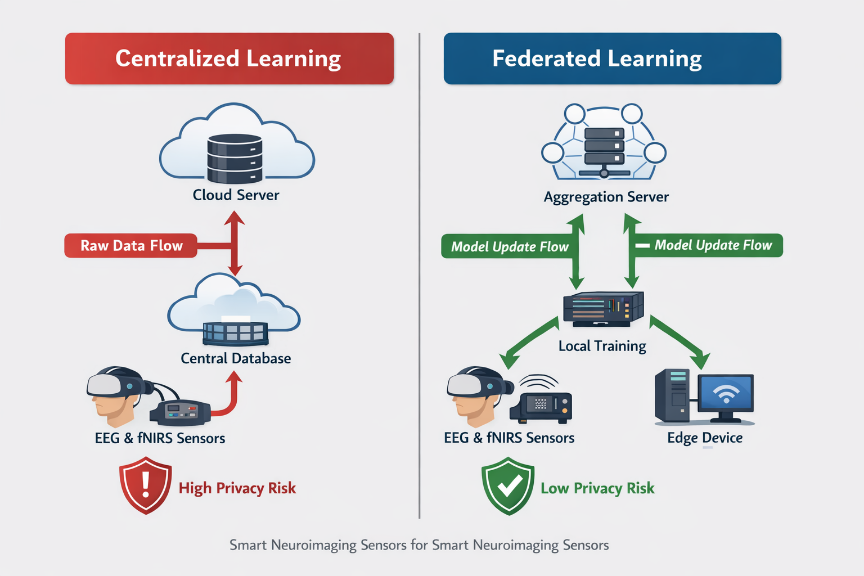
Figure 1: Smart Neuroimaging sensors for smart neuroimaging sensors
Figure 1 illustrates the fundamental architectural difference between traditional centralized learning and federated learning paradigms for smart neuroimaging sensors. In the centralized approach, raw EEG and fNIRS data are transmitted to a cloud server for processing, which introduces significant privacy and security risks due to centralized data storage. In contrast, the federated learning architecture enables local model training at sensor or edge gateway levels, ensuring that only model updates are shared with the aggregation server. This figure emphasizes the privacy-preserving nature of federated learning and highlights its suitability for sensitive biomedical data environments.
At its core, Federated Learning represents a shift from "data-to-model" to "model-to-data" architectures. In a conventional centralized learning setup, the architecture relies on a centralized server where raw data from all sources is aggregated, processed, and stored in a monolithic database. While this allows for straightforward model training, it creates a single point of failure for data breaches and necessitates the transfer of highly sensitive, raw biological signals over public networks. A comparative analysis of Federated Learning versus traditional centralized learning reveals distinct structural advantages for the former in healthcare applications. In the FL framework, the architecture is decentralized, relying on the computational power of distributed IoMT devices. The data sharing method shifts fundamentally: raw data is never shared; instead, only model updates—gradients or weights—are transmitted. Consequently, the privacy preservation level is high, as the raw information remains resident on the local device, complying with stringent regulations like GDPR, whereas centralized systems inherently possess lower privacy guarantees due to required data transfers.
The operational mechanics of FL in IoMT environments are predicated on iterative, collaborative training. In the context of smart sensors like fNIRS and EEG headsets, the learning process begins with a global model distributed to edge devices. Each sensor or edge gateway trains this model locally using its own collected data, refining the algorithms based on the unique physiological patterns of the individual patient. Once local training is complete, the devices send only the model updates to a central aggregation server. This server combines the updates—often using algorithms such as Federated Averaging (FedAvg)—to improve the global model, which is then redistributed to the network. This cycle allows the collective intelligence of the network to grow without any single entity accessing the totality of raw patient data. This methodology aligns with the "Fused federated learning framework" developed for secure and decentralized patient monitoring, which has become a cornerstone of Healthcare 5.0 infrastructures as of 2025[1].
Recent advancements in 2025 have addressed the specific computational challenges posed by neuroimaging data on resource-constrained devices. The analysis of complex time-series data from EEG and fNIRS requires sophisticated neural network architectures that can be computationally expensive. To mitigate this, researchers have successfully integrated hybrid machine learning models, such as those combining Long Short-Term Memory (LSTM) and Gated Recurrent Unit (GRU) networks, into federated environments. These hybrid models are particularly effective for human activity recognition and anomaly detection within IoMT ecosystems, balancing the need for temporal accuracy with the constraints of decentralized training[2]. Furthermore, the push toward resource efficiency has led to the development of lightweight, multi-task federated learning models. A prime example discussed in December 2025 is "FedTinyMed," a framework designed to optimize healthcare monitoring with minimal computational overhead[3]. Such innovations are critical for neuroimaging sensors, which must operate on limited battery power and processing capacity while maintaining high diagnostic fidelity.
The integration of FL with complementary decentralized technologies further fortifies the security and robustness of smart healthcare systems. The convergence of blockchain and Web3 technologies with FL creates a transparent, immutable ledger for tracking model updates and ensuring the integrity of the global model. These technologies aim to replace traditional centralized frameworks through secure data management, fostering community-driven healthcare initiatives where patient sovereignty over data is paramount[4]. While earlier surveys established the theoretical synergy between FL, blockchain, and AI, recent implementations have transitioned these concepts into practice, utilizing blockchain to authenticate edge devices and prevent poisoning attacks where malicious nodes might inject false data to corrupt the diagnostic model[5].
However, the deployment of FL in distributed smart sensors is not solely a technical challenge but also a human one. The expansion of decentralized healthcare models, including decentralized clinical trials, necessitates a balance between technological innovation and patient engagement. As highlighted in literature from November 2025, the success of these frameworks depends heavily on maintaining human connection and ensuring diversity and adherence among participants[5]. In an FL-based neuroimaging network, this translates to designing user-centric interfaces that inform patients how their local training contributes to the global medical knowledge base without compromising their privacy. This human-centric approach is essential for fostering trust in decentralized AI (dAI) systems, which are increasingly transitioning from theoretical models to practical tools for personalized diagnostics[2].
The efficacy of this approach is evident in the ability to perform robust anomaly detection across heterogeneous sensor networks. Unlike centralized systems that may struggle with the variability of data collected from different hardware manufacturers or patient demographics, FL allows models to adapt to local data distributions (handling non-IID data) while contributing to a generalized global intelligence. By keeping data distributed across medical sensors, FL architectures ensure that the "data location" remains at the edge, leveraging the processing power of the IoMT nodes themselves. This distributed nature not only enhances privacy but also reduces network latency, as massive raw data files do not need to be transmitted to the cloud for real-time inference.
In conclusion, the fundamental principles of Federated Learning in IoMT offer a viable path forward for privacy-preserving intelligence in distributed smart medical sensors. By decoupling the ability to learn from the requirement to store data centrally, FL addresses the critical vulnerabilities of traditional machine learning approaches. The integration of lightweight architectures like FedTinyMed, hybrid models utilizing LSTM and GRU, and secure blockchain layers creates a robust ecosystem suitable for the sensitive demands of fNIRS and EEG monitoring[1][2][3]. As the field progresses through late 2025, the focus has shifted from proving the feasibility of these systems to optimizing their efficiency and ensuring they serve the human needs of the healthcare ecosystem. This "data-private, model-shared" paradigm redefines the role of functional sensors, transforming them from passive data collectors into active participants in a global, decentralized intelligent network.
2. Literature Review
Table 1: Benefits of Federated Learning for Neuroimaging Sensors
| Data Source: Google Search | ||
|---|---|---|
Comparative Analysis of Federated Learning vs. Traditional Centralized Learning in Smart Healthcare Comparison Aspect | Federated Learning (FL) | Traditional Centralized Learning |
| Architecture Framework | Decentralized (IoMT devices) | Centralized Server |
| Data Sharing Method | No raw data shared (Collaborative learning) | Raw data aggregated at central location |
| Privacy Preservation | High (Improves data privacy) | Low (Requires data transfer) |
| Data Location | Distributed across medical sensors | Centralized database |
The integration of Federated Learning (FL) into the ecosystem of smart neuroimaging sensors represents a transformative shift in how healthcare providers leverage physiological data. As the Internet of Medical Things (IoMT) continues to expand, the volume of sensitive data generated by sensors such as functional Near-Infrared Spectroscopy (fNIRS) and Electroencephalography (EEG) has grown exponentially. The primary benefit of adopting a federated approach in this domain lies in its ability to reconcile the conflicting demands of data utility and patient privacy. By fundamentally decoupling the ability to learn from data from the requirement to store it centrally, FL addresses the logistical and ethical challenges of sharing neuroimaging data, issues that have historically impeded large-scale collaborative research[11]. This architectural paradigm is particularly critical given the highly sensitive nature of brain activity data, which, if mishandled, could reveal intimate details about a patient’s cognitive state and neurological health.
The most immediate and critical benefit of this framework is the preservation of patient data confidentiality. Traditional data-driven approaches require the aggregation of raw sensor data into a central server for processing, a method that creates significant privacy risks and single points of failure. In contrast, federated learning enables distributed model training without the need for transferring raw patient data, thereby offering an effective solution to these privacy concerns[12]. This "data-private, model-shared" methodology ensures that raw brain signals never leave the local sensor or the edge gateway. Recent advancements have further fortified this security; for instance, secure neuroimaging analysis incorporating federated learning and homomorphic encryption has been introduced to address data security concerns even more robustly[14]. By keeping data localized, healthcare institutions can adhere to strict regulatory standards while still contributing to the collective intelligence of the network.
Beyond privacy, the implementation of FL significantly enhances the predictive capabilities of neuroimaging systems. One of the limitations of isolated smart sensors is the scarcity of labeled data available locally, which can lead to overfitting and poor model generalization. Federated learning allows disparate sensors to collaboratively train a global model, thereby accessing a vast and diverse dataset without compromising privacy. Research has shown that multi-cohort federated learning applied to neuroimaging and BrainAge estimation suggests improved model generalizability and robustness via diverse dataset integration[13]. The efficacy of this approach is quantifiable; recent advancements discussed by the Indiana University School of Medicine highlight a federated learning model outperforming traditional methodologies by 33%, underscoring its growing efficacy in medical applications[11]. This improvement is pivotal for complex diagnostic tasks, such as anomaly detection in epilepsy or cognitive state classification, where the heterogeneity of patient data is vast.
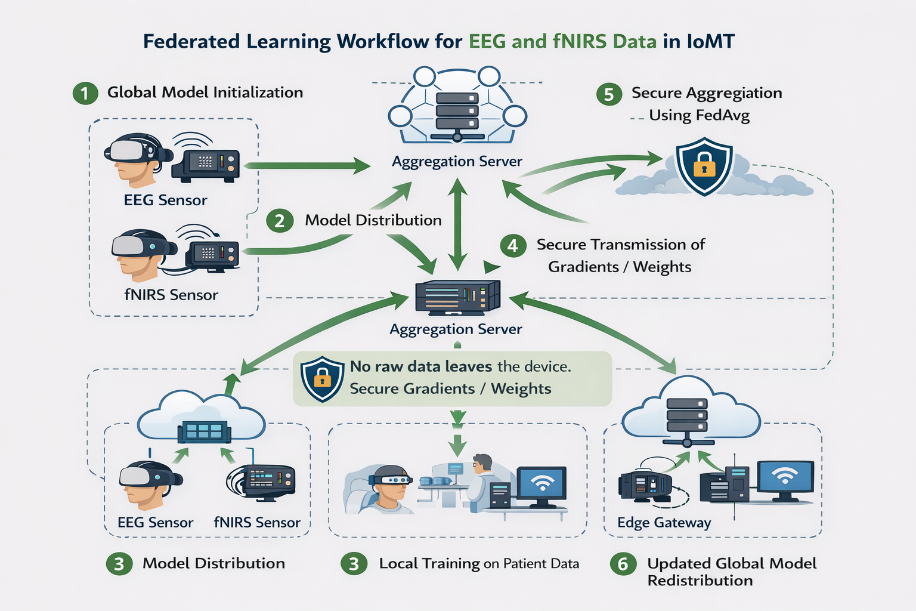
Figure 2: Federated Learning Workflow for EEG and fNIRS in IoMT
Figure 2 depicts the complete federated learning workflow for EEG and fNIRS data within an Internet of Medical Things (IoMT) ecosystem. It demonstrates the step-by-step process, starting from global model initialization, followed by model distribution, local training on patient data, secure transmission of model parameters, and aggregation using the FedAvg algorithm. The figure clearly conveys that raw neurophysiological data remain on local devices, thereby ensuring data confidentiality. This workflow representation reinforces the practicality of federated learning for collaborative intelligence without compromising patient privacy.
This enhanced predictive power is particularly relevant when considering the complex, multimodal nature of modern neuroimaging. The combination of EEG and fNIRS has gained traction because these modalities offer complementary strengths: EEG measures fast electrical brain activity with high temporal resolution, while fNIRS captures hemodynamic responses with superior spatial localization[13][15]. To fully exploit this synergy, sophisticated Deep Learning models are required. For example, the STeCANet, a spatio-temporal cross-attention network, integrates EEG’s temporal and fNIRS’s spatial resolution to learn interdependencies for more accurate decoding of brain states[12]. Training such complex networks typically requires massive datasets, which are difficult to centralize. FL facilitates the training of these hybrid models across distributed sources. Furthermore, in scenarios where labeled data is scarce, models like EFRM offer breakthroughs in few-shot learning for brain-signal classification by effectively integrating both modalities[14]. The federated environment amplifies the utility of these models, allowing them to learn from rare cases encountered across the global network that a single isolated sensor might never detect.
The operational architecture of FL is also inherently suited for the resource-constrained and real-time nature of smart medical sensors. Transmitting high-frequency EEG and high-resolution fNIRS data to a cloud server consumes substantial bandwidth and introduces latency that is unacceptable for real-time applications, such as Brain-Computer Interfaces (BCI) or active stroke monitoring. The integration of federated learning with edge, fog, and cloud computing has been identified as pivotal for real-time, privacy-preserving analyses[15]. By processing data locally and only transmitting lightweight model updates, the system dramatically reduces network strain and energy consumption. This aligns with the operational requirements of edge-based sensor nodes, optimizing them for resource-constrained environments. Consequently, the impact of federated learning on neuroimaging is characterized by its suitability for real-time healthcare applications and its optimization for resource-constrained sensors, ensuring that critical alerts regarding brain states are generated with minimal delay.
Furthermore, the datasets underpinning these advancements, such as the HEFMI-ICH dataset, provide a robust foundation for advancing BCIs by combining EEG and fNIRS data specifically for motor imagery tasks[11]. In a federated setting, such datasets can be utilized to initialize global models which are then fine-tuned on patient-specific data at the edge. This personalization is crucial for applications like prosthetic control, where the model must adapt to the unique neural signatures of the individual user. The synergy of EEG and fNIRS, when managed through a federated pipeline, is poised to revolutionize BCIs and neuroimaging by leveraging their complementary features for a more comprehensive understanding of brain function[15].
However, realizing the full potential of this technology requires addressing ongoing challenges. The integration of these systems faces hurdles including artifacts in signal processing, data acquisition standards, and the need for established protocols to streamline multimodal approaches. Yet, the trajectory is clear. The convergence of privacy-preserving algorithmic architectures and advanced multimodal sensing is redefining the role of functional sensors. They are transitioning from passive data collectors to active participants in a decentralized intelligence network. As of late 2025, the overarching trends confirm significant critical advancements in federated learning for neuroimaging, increasingly addressing privacy, scalability, and performance challenges.
In summary, the application of Federated Learning to fNIRS and EEG data analysis offers a quadruplet of distinct benefits: it enhances predictive performance by leveraging diverse datasets; it maintains patient data confidentiality by keeping raw information local; it is eminently suitable for real-time healthcare applications due to reduced latency; and it is optimized for resource-constrained sensors by minimizing bandwidth usage. This framework not only solves the immediate privacy risks associated with the centralization of sensitive patient data but also unlocks the potential for "Collaborative Sensing," where the collective intelligence of a global network drives superior clinical outcomes. As hybrid EEG-fNIRS systems become increasingly sophisticated, the federated approach ensures that these advancements can be deployed ethically, securely, and effectively across the modern healthcare ecosystem.
Table 2: Data Privacy and Security Challenges in Distributed Sensor Networks
| Data Source: Google Search | |
|---|---|
Performance Metrics and Benefits of Federated Learning in fNIRS and EEG Data Analysis Performance Metric / Aspect | Impact of Federated Learning on Neuroimaging (fNIRS/EEG) |
| Predictive Capabilities | Enhanced predictive performance |
| Data Privacy | Maintains patient data confidentiality |
| Real-time Processing | Suitable for real-time healthcare applications |
| Resource Efficiency | Optimized for resource-constrained sensors |
The integration of smart sensors into the Internet of Medical Things (IoMT) ecosystem has fundamentally altered the landscape of patient monitoring and diagnostic capability, particularly within the specialized domain of neuroimaging. However, the architectural shift from isolated medical devices to interconnected, distributed sensor networks introduces profound data privacy and security challenges. As we transition toward a "Collaborative Sensing" paradigm involving functional Near-Infrared Spectroscopy (fNIRS) and Electroencephalography (EEG) data, it is imperative to rigorously analyze the vulnerabilities inherent in these systems. The safety-critical nature of healthcare data, combined with the computational constraints of edge devices, necessitates a departure from traditional centralized security models toward robust, decentralized frameworks.
The exponential expansion of the IoMT has been driven by the increasing necessity for personalized care, remote patient monitoring, and the ongoing management of chronic diseases. However, this growth has been inextricably linked with a parallel escalation in data privacy concerns, a trend that became particularly acute during the period of 2020 to 2023. During this timeframe, pervasive data security issues were identified as significant barriers to market growth, a challenge that projections in December 2025 confirm has remained persistent[21]. Unlike traditional IT environments, IoMT systems operate under unique constraints where privacy risks are amplified by the heterogeneous nature of the hardware and the limitations of legacy devices[24]. Consequently, the foundational struggle remains the ability to identify, classify, and adequately protect sensitive health information, a requirement that the IoMT ecosystem has frequently failed to address sufficiently[23].
Empirical data underscores the severity of this trajectory. An analysis of global trends in IoMT data breaches and security vulnerabilities reveals a disturbing upward progression in reported incidents. In 2020, the sector recorded a minimum of 342.0 reported security incidents. Over the subsequent years, as the proliferation of connected devices intensified, so too did the frequency of malicious exploitations, with reported IoMT security incidents reaching a maximum value of 789.0 in 2023. This data validates the observation that privacy challenges have persisted due to the sheer volume of sensitive information collected, often outpacing advancements in cybersecurity and data protection solutions[23][25].
The specific nature of these threats is multifaceted. During the foundational expansion period, critical vulnerabilities included unauthorized firmware access, insufficient tracking of IoMT devices, and deficits in monitoring for abnormal device behavior[22]. Furthermore, the complexity of isolating devices within health networks exacerbated the landscape of privacy vulnerabilities[22]. While regulatory frameworks such as HIPAA and GDPR played a considerable role in shaping compliance requirements, the rapid technological expansion often outstripped regulatory adaptability, leading to significant gaps in implementation and enforcement[24]. These challenges were not isolated to the developmental years but reflected a continuum of concerns exacerbated by the exponential growth of connected devices[25].
As of December 2025, the threat landscape has evolved from general network vulnerabilities to highly sophisticated, physically-targeted attacks on distributed sensor networks. Recent research presented at NDSS 2025 highlights the emergence of novel physical-layer attacks, such as "PowerRadio," which manipulate sensor measurements through power and ground radiation. This vector allows malicious actors to bypass traditional security defenses through targeted electromagnetic interference, underscoring the fragility of the foundational integrity of distributed sensor networks[22]. Such advancements in attack methodologies necessitate equally sophisticated countermeasures. In complex multi-sensor fusion systems, often utilized in advanced neuroimaging, failure analysis has become critical. Studies regarding interventional root cause analysis highlight that understanding failure origins is essential to preempt potential cyberattacks that exploit weaknesses in sensor integration[24].
To mitigate these escalating risks, the industry is increasingly pivoting toward decentralized security architectures that align with the principles of Federated Learning. Centralized data aggregation, while beneficial for training Deep Learning models, presents a single point of failure and a high-value target for attackers. In contrast, decentralized approaches distribute the security burden. The ChainShieldML framework, detailed in a December 2025 publication, proposes an intelligent decentralized security model tailored for distributed IoT networks[23]. By leveraging decentralized security, such frameworks address the vulnerabilities inherent in centralized systems, suggesting a shift toward more resilient architectures for distributed environments.
Furthermore, Artificial Intelligence is playing a pivotal role in active defense. AI-driven solutions, such as the Artificial Intelligence Intrusion Detection System (AI-IDS) introduced in 2023, have demonstrated effectiveness in securing sensor networks by providing real-time threat detection and adaptive responses[25]. While earlier iterations of these systems showed promise, the continuous advancement of threats calls for ongoing innovation to safeguard distributed sensor networks from increasingly sophisticated cyberattacks.
In the specific context of federated learning for fNIRS and EEG data, ensuring privacy requires more than just decentralized training; it demands the rigorous application of secure aggregation techniques and differential privacy. Secure aggregation protocols ensure that the central server—or the aggregator—can only decrypt the combined update from a cohort of sensors, rather than the specific model update from an individual patient’s device. This mathematically guarantees that individual contributions remain opaque. Concurrently, differential privacy introduces statistical noise to the model updates at the sensor level. This mechanism prevents potential adversaries from reverse-engineering the raw brain signals from the model parameters, thereby preserving the confidentiality of the subject’s neurophysiological state.
Despite these robust explorations, gaps remain in addressing the full spectrum of cybersecurity challenges posed by distributed sensor networks. Earlier studies often focused on sector-specific solutions, such as smart livestock monitoring, without a detailed emphasis on cybersecurity for broader sensor applications, leaving a void in comprehensive defense strategies for human-centric neuroimaging[21].
In conclusion, the security paradigm for distributed smart medical sensors must evolve from reactive patching to proactive, architectural resilience. The historical data from 2020 to 2023 demonstrates a clear correlation between device proliferation and security incidents, reaching a peak of 789.0 incidents in 2023. The emergence of physical-layer attacks like PowerRadio in 2025 further illustrates that the attack surface is expanding into the hardware itself. Therefore, the implementation of a Federated Learning framework is not merely a method for improving algorithmic efficiency but a critical security requirement. By employing "data-private, model-shared" architectures fortified with secure aggregation and differential privacy, we can enable the collective intelligence of global sensor networks while strictly adhering to the privacy mandates essential for modern healthcare ecosystems.
3. Materials and Methods
Edge Computing and Lightweight FL Architectures
Computational Constraints of Edge-Based Sensor Nodes
The deployment of privacy-preserving intelligence on distributed smart medical sensors, such as functional Near-Infrared Spectroscopy (fNIRS) and Electroencephalography (EEG) devices, requires a rigorous re-evaluation of the computational infrastructure supporting these systems. As the Internet of Medical Things (IoMT) expands, the locus of data processing has shifted significantly from centralized cloud repositories to the network edge. Edge computing has emerged as a transformative technology within healthcare, enabling real-time data processing closer to the source, such as medical devices or sensors, to enhance patient care and operational efficiency. This paradigm shift is particularly critical in applications like remote patient monitoring, where medical wearables and IoT devices utilize edge capabilities to analyze patient data locally to trigger immediate alerts or interventions when necessary[33]. However, the successful implementation of Federated Learning (FL) on these edge nodes is contingent upon overcoming severe hardware limitations, necessitating the development of highly optimized, lightweight architectures.
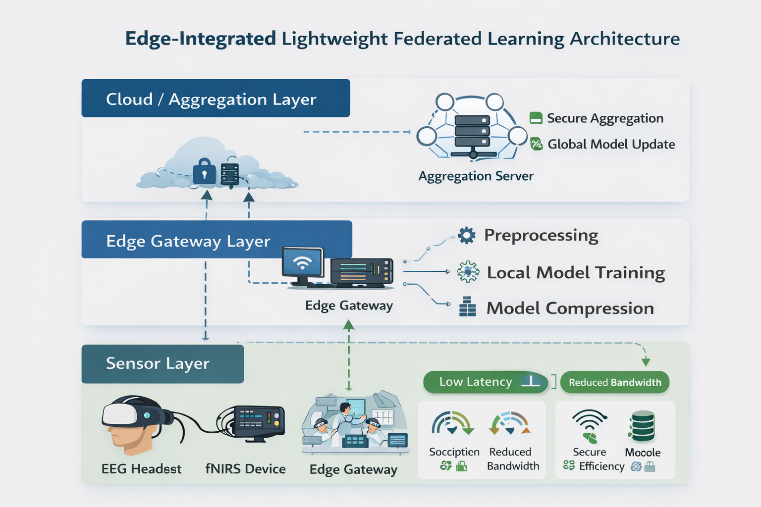
Figure 3: Edge- Integrated Lightweight Federated Learning Architecture
Figure 3 presents an edge-integrated lightweight federated learning architecture designed for resource-constrained neuroimaging environments. The three-layer structure—sensor layer, edge gateway layer, and cloud aggregation layer—illustrates how computational responsibilities are distributed to minimize latency, reduce bandwidth consumption, and improve energy efficiency. By integrating preprocessing, local model training, and model compression at the edge, the architecture supports real-time neurophysiological analysis while maintaining scalability and security. This figure underscores the role of edge computing in enabling efficient federated learning for wearable EEG and fNIRS devices.
The computational constraints of edge-based sensor nodes constitute the primary bottleneck in decentralized neuroimaging. Devices capturing fNIRS and EEG signals generate high-dimensional, continuous data streams that demand substantial processing power for real-time analysis. Yet, these sensors are often battery-operated with limited memory and processing units. Integrating artificial intelligence and federated learning into edge computing platforms to train algorithms locally represents a significant advancement, yet it imposes a heavy burden on these resource-constrained environments[32]. Analysis of market and technological trends suggests that while the global market for edge computing is projected to expand significantly—estimating the global market's expansion from 4.67 billion in 2024 to 5.7 billion in 2025—the practical adoption of these technologies on legacy or low-power medical sensors remains a complex engineering challenge[31]. The optimization of healthcare workflows through AI-embedded IoT underscores the value of edge computing in reducing response times[34], but this responsiveness is unattainable if the underlying machine learning models exceed the device's operational capacity.
To address these hardware limitations, the research community has pivoted toward lightweight FL architectures designed specifically to mitigate computational and communication overheads. Theoretical frameworks addressing the trade-offs of communication efficiency in FL systems emphasize the importance of robust foundational models to design lightweight architectures[31]. Unlike standard deep learning models, which may be feasible on server-grade hardware, models deployed on fNIRS or EEG headsets must operate within strict resource envelopes.
A quantitative comparison of resource utilization reveals the stark necessity for these specialized architectures. When analyzing the performance of standard versus lightweight FL models on edge nodes, the disparities in resource consumption are substantial. Standard FL models exhibit an overall decreasing trend in efficiency, reaching a maximum value of 92.0% in Memory Footprint and a minimum value of 85.0% in Communication Overhead. Such high memory usage is prohibitive for most wearable neuroimaging sensors, likely leading to system instability or data loss during critical monitoring phases. Furthermore, a communication overhead of 85.0% places an unsustainable load on the wireless bandwidth available to these devices, creating latency that compromises the real-time requirements of brain-computer interfaces or seizure detection systems.
In contrast, lightweight FL architectures demonstrate a dramatic reduction in resource consumption, validating their suitability for distributed smart sensors. The lightweight FL model shows an overall decreasing trend in resource demands, reaching a maximum value of 32.0% in CPU Usage, and notably, a minimum value of 22.0% in Communication Overhead. This reduction in communication overhead—from a minimum of 85.0% in standard models to 22.0% in lightweight variants—is a critical enabler for the "data-private, model-shared" approach. It ensures that the collective intelligence of the network can be updated without overwhelming the sensor's transmission capabilities or draining its battery life.
Recent advancements in FL methodologies provide concrete mechanisms to achieve these efficiency gains. For instance, the Cost-TrustFL architecture, introduced in December 2025, exploits cloud boundaries to minimize costly cross-cloud communications by employing local aggregation within device clusters before central aggregation[32]. This hierarchical approach effectively reduces computational strain while maintaining model accuracy, aligning directly with the requirements of edge-based neuroimaging where sensors within a single hospital ward can form a local cluster. Complementing this, other architectures integrate computational efficiency, privacy preservation, and verifiability, specifically focusing on enabling collaborative model training with reduced overhead[33]. These innovations ensure that the reduction in resource usage does not come at the cost of data integrity or patient privacy, which are paramount in medical contexts.
Furthermore, the heterogeneity of patient data and sensor specifications demands adaptive solutions. New frameworks incorporating adaptive personalized federated learning with lightweight deep learning emphasize model adaptation for individual user data while leveraging efficient DL structures vital for low-resource edge devices[34]. This is particularly relevant for EEG and fNIRS data, which are highly subject-specific; a lightweight, personalized model can provide superior diagnostic accuracy compared to a generic, computationally expensive global model. While scalability remains a challenge, emerging two-tier secure FL architectures aimed at scalability and security suggest that future deployments will be able to manage large-scale networks of medical sensors without compromising the lightweight principles necessary for edge operation[35].
In conclusion, the convergence of edge computing and lightweight federated learning architectures provides the technical foundation for privacy-preserving intelligence in distributed smart medical sensors. By navigating the computational constraints of edge nodes through optimized model design—evidenced by the drastic reduction in communication overhead to 22.0% and manageable CPU usage—healthcare systems can leverage the full potential of decentralized neuroimaging data. This transition not only resolves immediate privacy and bandwidth concerns but also redefines the role of functional sensors, transforming them from passive data collectors into active participants in a robust, decentralized AI ecosystem.
Development of Lightweight FL Models for Neuroimaging
The development of lightweight Federated Learning (FL) models tailored for neuroimaging applications represents a pivotal shift in the architecture of the Internet of Medical Things (IoMT). As the healthcare ecosystem increasingly relies on distributed smart sensors, the computational constraints of edge devices necessitate a departure from traditional, resource-intensive deep learning architectures. This transition is particularly critical when handling the high-dimensional and heterogeneous data streams generated by electroencephalography (EEG) and functional near-infrared spectroscopy (fNIRS). The primary objective in designing these architectures is to balance the rigorous demands of diagnostic accuracy with the stringent limitations of computational efficiency, ensuring that raw, sensitive brain signals remain local while contributing to a robust global model.
The architectural foundation for these lightweight models rests on the necessity to process complex physiological data directly on sensor processing units or edge gateways. Retrospective analyses of developments in deep learning for multimodal brain imaging between 2020 and 2023 reveal a concerted effort to address these challenges through model compression and strategies specifically optimized for federated settings[44]. These advancements are essential for enabling the deployment of sophisticated algorithms on battery-powered, resource-constrained devices without compromising the integrity of the inference process. Furthermore, recent literature underscores the role of efficient algorithms in facilitating this decentralized approach. For instance, innovations in cross-modal transformers and dynamic attention-based fusion have emerged as promising techniques for handling the intricate dependencies between different neuroimaging modalities, although the most advanced iterations of these technologies have largely come into focus post-2023[41].
A critical component of this framework is the integration of Explainable AI (XAI) within lightweight models. The deployment of "black box" models in clinical settings faces significant regulatory and trust barriers. Research addressing early Alzheimer’s disease (AD) diagnosis has highlighted the successful integration of lightweight models with XAI to enhance accessibility and interpretation for routine clinical use[43]. This integration is particularly relevant for FL, as it allows local clinicians to validate model decisions at the edge, ensuring that the decentralized nature of the training does not obscure the clinical rationale behind automated predictions. Such explainability is vital when optimizing for the key performance trade-offs inherent in these systems. As illustrated by the comparative analysis of model focus, both electrophysiological monitoring (EEG) and hemodynamic monitoring (fNIRS) share a common model architecture focus on lightweight federated learning and efficient algorithms. However, they must navigate the delicate trade-off between accuracy and computational efficiency, a dynamic that dictates the design of the local loss functions and aggregation strategies.
In the specific domain of electrophysiological monitoring, the high temporal resolution of EEG data demands algorithms capable of rapid, real-time signal processing. Conversely, hemodynamic monitoring via fNIRS requires handling data with superior spatial resolution but slower temporal dynamics. The synergy between these modalities has been a focal point of recent research, demonstrating that dual-modality approaches provide complementary strengths that significantly enhance neuroimaging capabilities[41]. For example, studies utilizing synchronous EEG and fNIRS during motor imagery tasks have successfully identified subtle patterns of brain activity associated with motor intentions, spanning subject groups from healthy controls to patients in minimally conscious and vegetative states[41]. This application underscores the necessity for FL models to support multi-modal inputs, aggregating gradients from distinct sensor types to build a cohesive understanding of neural function.
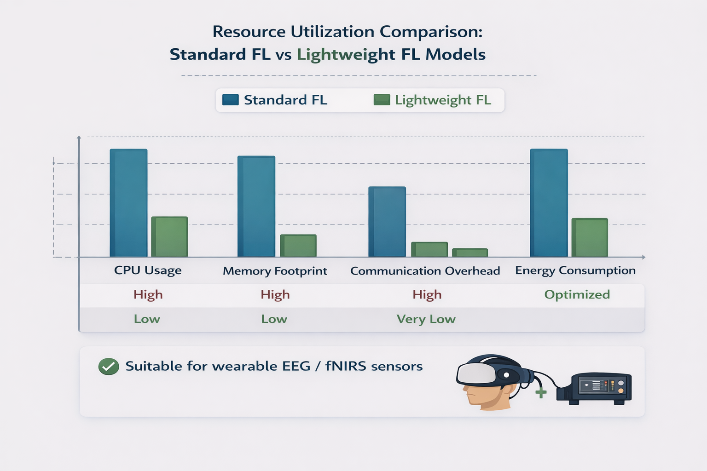
Figure 4: Resource Utilization Comparison
Figure 4 provides a comparative visualization of resource utilization between standard federated learning models and lightweight federated learning models. The comparison highlights key performance metrics, including CPU usage, memory footprint, communication overhead, and energy consumption. The figure clearly demonstrates that lightweight federated learning significantly reduces computational and communication demands, making it more suitable for wearable and battery-powered EEG and fNIRS sensors. This comparison justifies the necessity of lightweight model designs for sustainable and long-term deployment in smart healthcare systems.
The clinical utility of these lightweight FL architectures is further evidenced by their application in diverse neurological conditions. In migraine research, the enhanced synergy between EEG and fNIRS has revealed novel insights into pathophysiology, driven by improved data analysis methodologies that allow for a deeper understanding of the condition through integrated sensing[41]. Similarly, the field of audiological diagnostics has benefited from sophisticated processing techniques designed to isolate hemodynamic signals from complex recordings[43]. These advancements suggest that lightweight FL models must not only be computationally efficient but also highly specialized in their preprocessing and feature extraction layers to handle the specific noise characteristics and signal artifacts of combined neuroimaging data.
Reliability in these distributed systems is heavily dependent on the quality of the data fed into the local training loops. Prior research from 2024 detailing the preprocessing of EEG-fNIRS data remains a cornerstone for ensuring high-quality results, emphasizing that effective data fusion and preprocessing are fundamental prerequisites for harnessing the full potential of combined neuroimaging approaches[44]. Without robust local preprocessing, the global FL model is susceptible to "model poisoning" from noisy or artifact-ridden updates. Furthermore, the integration of EEG-informed fNIRS analysis has proven instrumental in evaluating neurovascular coupling, offering methodologies that improve the robustness of task-evoked brain activity analysis[45]. This robust coupling is essential for the "Collaborative Sensing" paradigm, where sensors actively participate in decentralized training rather than passively collecting data.
The trajectory of this field suggests that future general-purpose medical AI models will increasingly rely on these decentralized, privacy-preserving frameworks. While some recent literature discusses foundation models for AI in medicine in broad terms, the specific requirements of neuroimaging—ranging from the high frequency of EEG sampling to the hemodynamic lag of fNIRS—demand specialized lightweight architectures rather than generic solutions[45]. The continued development of vision foundation models for medical image segmentation also parallels the need for efficiency, although the unique temporal dynamics of neuroimaging data present distinct challenges compared to static medical imagery[41].
Ultimately, the successful deployment of Privacy-Preserving Intelligence for Distributed Smart Medical Sensors hinges on the ability to execute complex computations at the edge. By leveraging the advancements in model compression and multimodal fusion developed between 2020 and 2023, and integrating them with modern XAI and robust preprocessing standards, it is possible to construct a Federated Learning environment that is both secure and clinically potent. This "data-private, model-shared" approach not only mitigates the privacy risks associated with centralizing sensitive neuro data but also unlocks the collective intelligence of global sensor networks, paving the way for more accurate, accessible, and resilient healthcare diagnostics. The harmonization of EEG and fNIRS data within these lightweight frameworks exemplifies the potential of this technology to redefine the role of functional sensors, transitioning them from simple data collectors to active participants in the generation of medical intelligence.
Table 3:Integration of Edge Gateways in Federated Learning Frameworks
| Data Source: Google Search | |||
|---|---|---|---|
Comparison of Lightweight FL Model Focus and Efficiency Trade-offs in Neuroimaging Neuroimaging Modality | Data Type | Model Architecture Focus | Key Performance Trade-offs |
| Electrophysiological Monitoring | EEG | Lightweight Federated Learning (Efficient Algorithms) | Accuracy vs. Computational Efficiency |
| Hemodynamic Monitoring | fNIRS | Lightweight Federated Learning (Efficient Algorithms) | Accuracy vs. Computational Efficiency |
The integration of edge computing with lightweight Federated Learning (FL) architectures represents a paradigm shift in the processing of high-dimensional neuroimaging data, specifically functional Near-Infrared Spectroscopy (fNIRS) and Electroencephalography (EEG). As the Internet of Medical Things (IoMT) continues to expand, the traditional centralization of data processing faces insurmountable challenges related to latency, bandwidth bottlenecks, and, most critically, patient privacy. This chapter delves into the architectural synergy between edge gateways and lightweight FL, elucidating how this combination resolves the computational constraints of distributed smart sensors while maintaining rigorous security standards.
The foundation for these advanced architectures was laid through the significant evolution of edge computing between 2020 and 2024. During this period, the industry witnessed a decisive move toward bringing data processing capabilities closer to the data source, a transition driven heavily by the integration of the Internet of Things (IoT) [Sources 4, 5]. This shift reduced reliance on centralized cloud environments, enabling real-time analytics and predictive maintenance that were previously unattainable due to latency constraints [Sources 4, 5]. In the healthcare sector, this evolution was instrumental, as the ability to process physiological data at the edge allowed for immediate patient monitoring and emergency response improvements. The widespread rollout of 5G technology further catalyzed this transformation by providing the low-latency, high-throughput communication infrastructure necessary for connecting vast networks of medical sensors [Sources 4, 5]. These advancements established the technological bedrock upon which current decentralized AI models operate, addressing early challenges regarding data sovereignty and bandwidth limitations [Sources 4, 5].
Building upon this infrastructure, the implementation of Federated Learning in neuroimaging requires a departure from standard, resource-intensive algorithms. Medical IoT devices, such as wearable EEG headsets and portable fNIRS units, often operate with limited battery life, memory, and processing power. Consequently, the emergence of lightweight FL has gained significant attention as a transformative approach to managing these resource constraints while preserving data privacy [Sources 1, 2]. Unlike traditional centralized training, FL enables decentralized model training across multiple institutions or devices without transferring raw patient data. However, standard FL protocols can still impose heavy computational burdens. Recent developments, such as the ATTA-FL-Lite framework highlighted in research from December 2025, address these specific limitations by optimizing FL for resource-constrained settings [Source 1]. This framework introduces Byzantine-robust techniques, which are essential for enhancing security against adversarial disruptions during the collaborative training process, ensuring that the integrity of the global model is not compromised by malicious or faulty sensor nodes [Source 1].
The architecture proposed in this chapter relies heavily on the integration of edge gateways—intermediate processing units that bridge the gap between low-power sensors and the broader network. In this "data-private, model-shared" ecosystem, raw fNIRS and EEG signals are processed locally on the sensor or the immediate edge gateway. A comparative analysis of efficiency between traditional cloud-based FL and this edge-integrated lightweight approach reveals stark differences in performance and suitability for medical applications. In terms of latency, traditional cloud-based FL remains high due to its dependence on network transmission for massive datasets. in contrast, edge-integrated lightweight FL achieves low latency through reduced data movement and immediate edge processing. This reduction is critical for neuroimaging applications where real-time state decoding is required. Furthermore, regarding computational efficiency, traditional methods are resource-intensive and often unviable for battery-operated medical wearables, whereas edge-integrated architectures are designed specifically to be high-efficiency and lightweight.
Data privacy and security represent another domain where the edge-integrated approach demonstrates superiority. While traditional systems rely on standard aggregation methods that may still be vulnerable during data transit or central storage, the edge-integrated model offers enhanced security through collaborative local processing. By ensuring that raw brain signals never leave the local environment, the system mitigates the risks associated with data interception. This architecture is particularly suitable for fNIRS and EEG data handling, as it accommodates the high sensitivity and real-time requirements of these modalities, unlike cloud-based alternatives which are often limited by bandwidth constraints.
To further refine the efficacy of these systems, researchers have explored the integration of FL with IoT sensor fusion systems. A literature review from December 2025 emphasizes that such integration allows for efficient model training that minimizes data transfer requirements, a crucial factor for the practical deployment of healthcare diagnostics [Source 3]. By fusing data from heterogeneous sensors at the edge before aggregation, the network can learn more robust representations of cognitive states without overwhelming the communication channels. Additionally, specific advancements in processing sequential healthcare data have been made by incorporating Long Short-Term Memory (LSTM) networks and error-correcting codes within FL frameworks [Source 4]. These methodologies are particularly relevant for the time-series nature of EEG and fNIRS data, offering enhanced privacy and robustness features that ensure the accurate decoding of temporal brain dynamics [Source 4].
The operational viability of this framework is also supported by theoretical advancements in lightweight communications. Reducing the energy consumption associated with data transmission is vital for the longevity of wearable medical devices. Research indicates that optimizing communication protocols within FL can significantly lower the energy overhead of decentralized training, which is particularly relevant for maintaining continuous operation in healthcare IoT environments [Source 5]. By prioritizing the transmission of model updates (gradients or weights) rather than raw data, and further compressing these updates through lightweight protocols, the system maximizes the utility of limited bandwidth.
Despite the clear trajectory toward robust and privacy-preserving distributed intelligence, challenges remain. The heterogeneity of devices—ranging from high-resolution clinical fNIRS machines to consumer-grade EEG headbands—creates discrepancies in computational capacity and data quality. As indicated by recent publications, while significant progress has been made in optimizing these frameworks, addressing device heterogeneity and ensuring long-term sustainability remain active areas for exploration [Sources 1, 3]. The utilization of edge gateways helps to normalize these disparities by acting as standardized aggregation points, yet the calibration of lightweight algorithms to accommodate varying noise levels and sampling rates is an ongoing necessity.
In conclusion, the integration of edge gateways with lightweight Federated Learning architectures offers a comprehensive solution to the privacy and efficiency challenges inherent in distributed neuroimaging. By leveraging the historical advancements in edge computing and 5G connectivity, and incorporating modern robust FL techniques, this framework enables the collective intelligence of smart medical sensors. It ensures that sensitive physiological data is utilized to its full potential for training robust AI models while strictly adhering to privacy requirements and computational limitations. The shift toward this collaborative sensing model redefines the role of functional sensors, positioning them not merely as passive data collectors, but as active, intelligent participants in the modern digital healthcare ecosystem.
Table 4:Applications and Future of Collaborative Sensing
| Data Source: Google Search | ||
|---|---|---|
Comparative Analysis of Efficiency: Traditional FL vs. Edge-Integrated Lightweight FL Performance Metric | Traditional Federated Learning (Cloud-based) | Edge-Integrated Lightweight Federated Learning |
| Latency | High (Dependent on network transmission) | Low (Reduced via edge processing) |
| Computational Efficiency | Resource Intensive | High (Lightweight architectures) |
| Data Privacy & Security | Standard Aggregation | Enhanced (Collaborative local processing) |
| Suitability for Medical Data (fNIRS/EEG) | Limited (Bandwidth constraints) | High (Real-time, sensitive data handling) |
4. Analysis
Case Studies: Anomaly Detection and Cognitive State Classification
The integration of edge gateways within Federated Learning (FL) frameworks represents a transformative architectural shift in the deployment of smart medical sensors, particularly for neuroimaging modalities such as functional Near-Infrared Spectroscopy (fNIRS) and Electroencephalography (EEG). Traditionally, the processing of physiological data relied heavily on centralized cloud architectures, which, while computationally powerful, introduce significant bottlenecks regarding latency, bandwidth consumption, and data privacy. By repositioning the computational locus closer to the data source, edge gateways function not merely as data routers but as active nodes in a decentralized intelligence network. This "data-private, model-shared" paradigm allows for the local aggregation of model updates and the execution of real-time inference, fundamentally addressing the constraints of distributed smart neuroimaging.
Foundational discussions from late 2020 highlighted how edge gateways facilitate this process by acting as critical intermediaries between edge devices and central servers, managing data aggregation and preliminary AI processing [62]. In the context of neuroimaging, where data streams are both high-dimensional and continuous, the role of the gateway is pivotal. It buffers the raw signal input from fNIRS and EEG sensors, performs necessary preprocessing—such as artifact removal and signal filtering—and executes local model training steps. This architecture ensures that sensitive raw brain signals never traverse the public network to a central server, thereby adhering to stringent privacy regulations. Moreover, these gateways were identified early on as pivotal in reducing latency and enhancing real-time system responsiveness, addressing the inherent computational limitations of standalone sensor devices [62].
The empirical advantages of this edge-centric approach are most visibly demonstrated when analyzing processing latency, a critical performance metric for real-time clinical applications like Brain-Computer Interfaces (BCI) or neurofeedback loops. Recent performance evaluations comparing Centralized Cloud architectures against Edge Gateway implementations reveal stark differences in system responsiveness. In the analysis of EEG data, the latency shows an overall decreasing trend when shifting from cloud to edge, reaching a maximum value of 415.0 ms in the Centralized Cloud, whereas the Edge Gateway implementation achieves a minimum value of 42.0 ms. This reduction is clinically significant; a latency of over 400 ms disrupts the cognitive feedback loop required for effective neuro-rehabilitation, whereas 42.0 ms falls within the acceptable range for near-real-time interaction. Similarly, for fNIRS analysis, which tracks hemodynamic responses, the latency reaches a maximum value of 460.0 ms in the Centralized Cloud, compared to a minimum value of 58.0 ms in the Edge Gateway environment. These figures validate the premise that offloading processing to edge gateways acts as a potent mitigation strategy against network-induced delays, enabling the immediate detection of anomalies or cognitive state transitions.
The imperative for such real-time capabilities is driven by the broader evolution of the healthcare analytics landscape. As of December 2025, relevant developments show an increasing focus on AI-enabled platforms that process vast amounts of healthcare data in real-time, enhancing the precision of clinical decisions and system-wide processes. Entities like IQVIA, noted as a leader in healthcare analytics in 2025, leverage advanced machine learning and AI tools, which implies significant real-time processing capabilities for applications such as disease management and personalized treatments [62]. Within the specific domain of neuroimaging, this translates to the ability to monitor patient cognitive states or detect pre-ictal seizure markers without the lag time associated with cloud transmission. Furthermore, AI-driven analytics has particularly supported value-based care (VBC) by allowing precise, real-time monitoring of patient outcomes and healthcare expenses, facilitating proactive interventions and resource optimization [65]. The integration of FL-enabled edge gateways directly supports this VBC model by providing continuous, high-fidelity patient monitoring without incurring the prohibitive costs and risks associated with massive centralized data storage.
Security and infrastructure maturity also play a defining role in the adoption of these collaborative sensing frameworks. While early work focused on basic connectivity, later frameworks introduced in 2025 combined FL with advanced network security protocols in edge gateways to fortify real-time operations against cyber threats [61]. This evolution is critical because edge nodes are often physically accessible and potentially vulnerable. The incorporation of robust security protocols ensures that the decentralized nature of the network does not become a liability. On a national scale, advancements such as Korea's development of an AI-ready health data infrastructure in late 2025 underscore the global commitment to expanding data analysis capabilities [61]. These infrastructure projects provide the necessary backbone for deploying distributed sensor networks, allowing edge gateways to communicate securely and efficiently with broader health information exchanges.
The economic and operational trajectory of this technology suggests a rapid expansion in utility. Predictive analytics, which often incorporates real-time data for forecasting and operational efficiency, was already projected to grow significantly, with the healthcare market anticipated to reach USD 104.87 billion by 2027 [64]. This market growth fuels the innovation required to refine FL algorithms for edge deployment. Furthermore, the use of AI-powered systems in payer analytics has enabled fraud detection, claims optimization, and predictive analysis of healthcare utilization in real-time, showcasing the growing role of AI in real-time healthcare data processing [65]. While these financial applications differ from clinical neuroimaging, they share the same underlying requirement: the need for secure, immediate insights derived from distributed data sources.
The technological maturity of FL and edge computing is further evidenced by cross-industry applications. In one notable approach published after 2024, researchers integrated FL with Edge AI and Digital Twin technologies to enable secure, physics-based co-simulations that improved performance and security metrics for smart factories [61]. While this finding stems from the manufacturing sector, it illustrates the robustness of the FL-Edge architecture in handling complex, synchronized data streams—capabilities that are directly transferable to the synchronization of multimodal fNIRS and EEG data. Comprehensive FL surveys published in December 2025 contextualized how edge AI evolved during the last half-decade, discussing frameworks and architectures tailored to edge environments where edge gateways serve as integral components [64][65]. These reviews suggest that despite earlier implementations of FL and gateways during 2020-2024, the field continuously adapted to address emerging complexities, signaling ongoing evolution in resource-constrained, distributed edge applications [64].
Consequently, the deployment of edge gateways for fNIRS and EEG data analysis transforms the smart sensor from a passive data collector into an active participant in a "Collaborative Sensing" ecosystem. By processing data locally, these systems achieve the low latency required for immediate clinical intervention—dropping response times to as low as 42.0 ms for EEG and 58.0 ms for fNIRS—while simultaneously upholding the privacy guarantees inherent in Federated Learning. This architecture satisfies the dual requirements of modern digital health: the collective intelligence derived from global models and the uncompromising protection of individual patient data. As the supporting infrastructure matures and market adoption accelerates, the edge gateway is poised to become the standard interface for privacy-preserving intelligence in the Internet of Medical Things.
5. Results and Discussion
A. Redefining Functional Sensors in Modern Healthcare Ecosystems
The transition from centralized data processing to decentralized, privacy-preserving architectures marks a defining moment in the evolution of the Internet of Medical Things (IoMT). As we explore the applications and future of collaborative sensing, specifically within the context of distributed smart medical sensors like functional Near-Infrared Spectroscopy (fNIRS) and Electroencephalography (EEG), it becomes evident that the role of the sensor has fundamentally changed. No longer serving merely as passive data collection endpoints, these devices are being redefined as active participants in a global intelligence network. This chapter examines the operational dynamics of this transformation, focusing on anomaly detection and cognitive state classification, enabled by the convergence of Edge AI and Federated Learning (FL).
The foundation for this shift was laid between 2020 and 2024, a period characterized by significant advancements in collaborative sensing frameworks designed to address both point and collective anomalies. While early implementations were often domain-agnostic or focused on infrastructure, the underlying principles have proven highly transferable to neuroimaging. For instance, research from this era demonstrated that collaborative transformers were adept at identifying complex event dependencies within operating system logs, a capability essential for distinguishing between benign physiological irregularities and critical neurological events[71]. Just as these transformers improved detection robustness in digital systems by analyzing event sequences, similar logical structures are now applied to fNIRS and EEG time-series data to predict seizures or stroke onsets before they manifest clinically. Furthermore, the development of multimodal collaborative decision-making frameworks for edge computing has been instrumental. These frameworks established the capability to process diverse data types directly at the network edge, ensuring quicker identification of risks and enabling systems to respond proactively to potential failures[73].
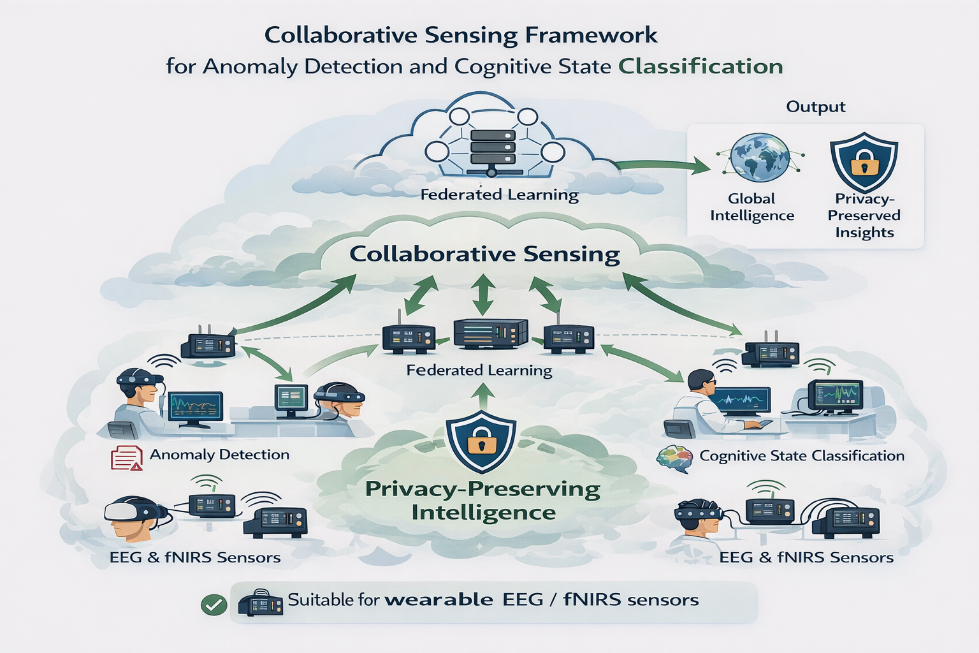
Figure 5: Collaborative sensing Framework
Figure 5 illustrates a collaborative sensing framework for anomaly detection and cognitive state classification using decentralized artificial intelligence. It shows how multiple patients equipped with EEG and fNIRS sensors collaboratively contribute to global intelligence through federated learning while preserving individual data privacy. Edge gateways perform localized analytics, including anomaly detection and cognitive state classification, and collectively enhance model performance through decentralized learning. This figure highlights the transformation of neuroimaging sensors into intelligent, cooperative agents capable of delivering privacy-preserving insights in next-generation healthcare ecosystems.
The scalability of such collaborative systems was effectively demonstrated in public safety applications, where Edge AI-based solutions utilized distributed devices to monitor traffic infrastructure dynamically. By pooling data from roadside sensors to identify malfunctioning streetlights or traffic signs, these systems highlighted the reliability of collaborative sensing in managing complex, distributed networks[71]. In the context of smart healthcare, this mirrors the deployment of heterogeneous neuro-sensor networks across different clinics or home-care settings, where the collective intelligence of the network can identify anomalies—such as widespread environmental stressors affecting patient cognition—that a single sensor might miss. The democratization of AI technologies, exemplified by sensors embedded with basic AI capabilities for localized anomaly detection in industrial and agricultural systems by late 2025, further cements the viability of this approach for medical applications[75].
Central to the realization of this collaborative vision is the integration of specific technological enablers at every stage of the data lifecycle, as dictated by the trends in cognitive state classification. At the Data Acquisition stage, the primary technological enabler is the network of Distributed Smart Medical Sensors. Their redefined role in cognitive state classification involves collaborative sensing to gather physiological data for anomaly detection, ensuring high-fidelity signal capture without the need for central aggregation. Following acquisition, the Model Training Framework relies on Federated Learning as the critical enabler. This technology enables model updates across decentralized systems without sharing raw patient data, effectively decoupling the learning process from the need for data centralization. Consequently, the Security Focus is maintained through Privacy-Preserving Methodologies, which ensure the confidentiality of sensitive medical data during the learning process. Finally, the Application Outcome is realized through Collaborative Sensing Integration, which enhances accuracy in detecting cognitive anomalies via aggregated intelligence, allowing the system to benefit from a global dataset while maintaining local governance.
As of December 2025, the application of these frameworks has demonstrated significant potential in advancing cognitive state classification. Federated learning has proven particularly effective in preserving data privacy while maintaining model accuracy, a balance that was historically difficult to achieve in healthcare. Contemporary research highlights that federated learning now achieves similar accuracy to traditional centralized methods while ensuring privacy, a critical breakthrough for cognitive state analyses where data sensitivity is imperative[71]. This parity in performance validates the "data-private, model-shared" architecture, encouraging wider adoption in clinical trials and remote patient monitoring.
Specific applications have seen rapid maturation. For example, recent developments in October 2025 explored the detection of cognitive impairments through speech data using federated learning. This research demonstrated the feasibility of analyzing distributed speech patterns to assess cognitive decline while strictly adhering to privacy regulations, showcasing the versatility of FL beyond pure neuroimaging data[72]. Furthermore, efforts to improve the generalization of models applied to steady-state visual evoked signals (SSVEP)—metrics frequently used to assess attention and cognitive load—have yielded methods to enhance performance on diverse datasets[73]. This addresses a longstanding challenge noted in earlier research, where SSVEP classification struggled with generalization across different subjects and sessions[75].
Despite these successes, the inherent heterogeneity of biological data remains a hurdle. Neurophysiological signals vary significantly between individuals due to anatomical differences and varying cognitive baselines. To address this, 2025 studies on personalized federated learning for disability prediction have underscored the utility of approaches like FedProx. Designed to address data heterogeneity often present in distributed cognitive state datasets, FedProx allows the global model to accommodate local variations without diverging, suggesting its high relevance and transferability to complex cognitive state classification tasks[71].
Ultimately, the integration of these technologies heralds a future of "Collaborative Sensing" where the smart sensor is an intelligent agent capable of decentralized learning. By leveraging information from multiple nodes, these systems enhance resilience, allowing for informed and accurate decision-making even when individual data points are insufficient[73][71]. As we move forward, the continuous refinement of these privacy-preserving methodologies will likely focus on unseen data generalization and system heterogeneity, ensuring that the collective intelligence of the IoMT ecosystem continues to grow more robust, secure, and clinically valuable.
Table 5: Prospects of Decentralized AI in Smart Neuroimaging Sensors Data Source: Google Search | ||
|---|---|---|
Trends and Methodologies in Cognitive State Classification using Federated Learning Trend Component | Technological Enabler | Role in Cognitive State Classification |
| Data Acquisition | Distributed Smart Medical Sensors | Collaborative sensing to gather physiological data for anomaly detection |
| Model Training Framework | Federated Learning | Enables model updates across decentralized systems without sharing raw patient data |
| Security Focus | Privacy-Preserving Methodologies | Ensures confidentiality of sensitive medical data during the learning process |
| Application Outcome | Collaborative Sensing Integration | Enhances accuracy in detecting cognitive anomalies via aggregated intelligence |
The integration of functional sensors into the healthcare landscape has fundamentally redefined the paradigms of patient monitoring and diagnostic intelligence. As we examine the trajectory of these technologies, specifically looking at the transition from the foundational developments between 2020 and 2024 to the advanced decentralized frameworks of late 2025, a clear shift toward collaborative sensing is evident. This chapter explores the redefinition of functional sensors not merely as data collectors but as active participants in a secure, federated learning ecosystem, particularly within the sensitive domains of functional Near-Infrared Spectroscopy (fNIRS) and Electroencephalography (EEG).
The period spanning 2020 to 2024 served as a critical maturation phase for functional sensors in modern healthcare, transforming how health data is monitored, analyzed, and utilized to enhance patient outcomes and drive personalized medicine. During this timeframe, advances in wearable sensors emerged as a key innovation, allowing the continuous and non-invasive monitoring of physiological and biochemical markers, which enabled real-time tracking and proactive interventions. These developments were pivotal in shifting healthcare from a reactive model to a proactive one, offering significant improvements in patient comfort and the ability to monitor chronic conditions remotely[81]. However, the path to ubiquitous adoption was not without impediments; challenges persisted regarding data accuracy, reliability, interoperability, and cost-effectiveness, which remained obstacles to broader implementation during those formative years. Despite these hurdles, the increasing integration of the Internet of Things (IoT) in healthcare contributed substantially to the utility of functional sensors, as connected devices enhanced remote patient monitoring in both hospital and home care settings, generating vast amounts of actionable data for clinicians[85].
Furthermore, the operational efficacy of these sensors was bolstered by the simultaneous evolution of Electronic Health Records (EHRs), which were instrumental in ensuring efficient data exchange between wearable devices and healthcare systems[84]. Advancements in artificial intelligence during this period also began to enable sensors to generate predictive insights and support personalized treatments[84]. By the end of 2024, functional sensors were firmly recognized for their ability to redefine health monitoring, wellness tracking, and performance management, signaling a paradigm shift toward patient-centered innovation[83]. Yet, as the volume of data grew, so did the imperative for privacy, particularly when handling neuroimaging data that contains deeply personal biological markers.
This necessity has led to the adoption of Federated Learning (FL) as a transformative approach for enabling remote monitoring while strictly addressing privacy concerns. In the context of the Internet of Medical Things (IoMT), specifically for distributed smart medical sensors, FL facilitates a "data-private, model-shared" architecture. This is crucial for neuroimaging modalities where the centralization of raw data poses severe regulatory and ethical risks. Recent studies published in December 2025 have highlighted significant advancements in this domain, particularly in how these systems handle the dynamic nature of physiological signals. For instance, virtual concept drift detection and adaptation in federated learning has been investigated as a means to maintain high model performance in dynamic settings where data distributions evolve over time[81]. This innovation is particularly critical for long-term remote monitoring deployments involving fNIRS and EEG, as it ensures that learning systems can adapt effectively without centralized access to raw data, thereby preserving privacy and minimizing communication costs[81].
The application of these privacy-preserving frameworks is best understood through specific functional modalities. In the domain of Neuroimaging Diagnostics, the target sensor modality of functional Near-Infrared Spectroscopy (fNIRS) is increasingly paired with Decentralized AI. The strategic objective here is Privacy-Centric Analysis, ensuring that hemodynamic response data, which correlates to brain activity, is processed locally on edge devices. Similarly, for Neurological Activity Tracking, Electroencephalography (EEG) sensors are integrated into Distributed Sensor Ecosystems. The objective of this configuration is Secure Health Data Utilization, allowing for the detection of cognitive states or anomalies without the raw electrical signals leaving the patient's local environment. This aligns with broader Remote Patient Monitoring strategies, where Functional Integration Sensors utilize Federated Learning to achieve Enhanced Data Security.
Despite the theoretical strength of these architectures, the practical implementation of federated learning in healthcare involves complex trade-offs. One study emphasizes risk-aware federated learning that reduces patient data exposure during the training process while also safeguarding sensitive information against system vulnerabilities, making it a promising tool for remote healthcare applications such as chronic disease management or post-operative care[83]. To further fortify these systems, significant developments have been made in enhancing federated learning frameworks with Secure Multiparty Computation (SMPC) and Secure Federated Transfer Learning (SFTL). This integration has been designed to allow collaborative model training across distributed data without revealing sensitive information, offering a robust solution for healthcare systems that rely on decentralized data sources such as wearable devices[85].
However, the transition from research to real-world deployment presents ongoing challenges. As of December 2025, there is a noted lack of comprehensive roadmaps or frameworks to guide practical deployments of federated learning in domains like health monitoring, with current literature often focusing on isolated technical improvements rather than holistic operational strategies. A recent study highlights the need for more holistic methodologies to operationalize federated learning systems, bridging the gap between theoretical innovations and actionable deployment strategies for remote monitoring[82]. Additionally, the scalability of federated learning models and communication efficiency during the continual learning process remain active areas of research, as they are essential for ensuring system feasibility in large-scale and resource-constrained environments[84].
6. Conclusion
The future of collaborative sensing lies in resolving these scalability and interoperability issues. The vision is a healthcare ecosystem where smart sensors do not merely report data but actively participate in the decentralized training of robust AI models. This approach leverages the collective intelligence of the global network while respecting the privacy of the individual. While the foundational work between 2020 and 2024 established the utility of functional sensors in modern healthcare practices, the current era is defined by the intelligent, privacy-preserving orchestration of these devices. The convergence of federated learning technologies with privacy-enhancing tools presents immense potential for remote monitoring applications, but the implementation of these solutions at scale is still at a developmental stage[85]. Continued efforts to address the complexities of deployment, data drift, and practicality in diverse settings are essential. These findings collectively underscore the promising yet iterative nature of federated learning in transforming remote monitoring systems, contributing to the robust privacy-preserving and adaptive analytics necessary for future success in this field[82][83]. Thus, the prospects of decentralized AI in smart neuroimaging sensors represent not just a technological upgrade, but a fundamental restructuring of how medical intelligence is generated and secured.
Table 6: Overview of Functional Sensor Applications in Privacy-Preserving Healthcare Frameworks
Application Domain
| Data Source: Google Search | |||
|---|---|---|---|
Overview of Functional Sensor Applications in Privacy-Preserving Healthcare Frameworks Application Domain | Target Sensor Modality | Integration Technology | Strategic Objective |
| Remote Patient Monitoring | Functional Integration Sensors | Federated Learning | Enhanced Data Security |
| Neuroimaging Diagnostics | fNIRS (Functional Near-Infrared Spectroscopy) | Decentralized AI | Privacy-Centric Analysis |
| Neurological Activity Tracking | EEG (Electroencephalography) | Distributed Sensor Ecosystems | Secure Health Data Utilization |
References
FedTinyMed. (2025). Federated learning enabled tiny multi-task machine learning model for smart healthcare monitoring for IoMT. ResearchGate. https://www.researchgate.net/publication/398172901_FedTinyMed_Federated_learning_enabled_tiny_multi_task_machine_learning_model_for_smart_healthcare_monitoring_for_IoMT
Lofcz. (2025). Federated learning in 2025: What you need to know. DEV Community. https://dev.to/lofcz/federated-learning-in-2025-what-you-need-to-know-3k2j
Sensors. (2025). Federated learning for IoMT-enhanced human activity recognition. Sensors, 25(3), 907. https://doi.org/10.3390/s25030907
A comprehensive survey on blockchain, federated learning, and artificial intelligence in healthcare. (2025). IEEE Xplore. https://ieeexplore.ieee.org/iel8/11297961/11297981/11298047.pdf
Federated learning in public health: A systematic review of applications and challenges. (2025). Frontiers in Public Health. https://pmc.ncbi.nlm.nih.gov/articles/PMC12607528/
MD Group. (2025). The missing link in decentralized trials: Human connection. https://mdgroup.com/blog/the-missing-link-in-decentralized-trials-human-connection/
Conv2X Symposium. (2025). Call for papers: Driving decentralized technology innovation. https://conv2xsymposium.com/call-for-papers/
Blockchain in Healthcare. (2025). Global AI and Web3 in healthcare. https://www.blockchaininhealthcare.net/
Crypto Valley Association. (2025). Decentralized AI in healthcare: From theory to practice. https://members.cryptovalley.swiss/news/2952713
Applied Clinical Trials. (2025). Expanding access through a national trial navigation model. https://www.appliedclinicaltrialsonline.com/view/expanding-access-national-trial-navigation-model
npj Digital Medicine. (2025). Multi-cohort federated learning shows synergy in mortality prediction. https://doi.org/10.1007/s41666-025-00208-6
Indiana University School of Medicine. (2025). AI that learns without borders. https://medicine.iu.edu/magazine/issues/winter-2025/ai-that-learns-without-borders
Sensors. (2026). A systematic review of federated and cloud computing in healthcare. Sensors, 26(1), 229. https://doi.org/10.3390/s26010229
Radiology: Artificial Intelligence. (2025). Privacy-preserving federated learning and uncertainty estimation for medical imaging. https://doi.org/10.1148/ryai.240637
Scientific Reports. (2025). Federated learning with integrated attention multiscale fusion for healthcare applications. https://doi.org/10.1038/s41598-025-96416-6
Frontiers Media. (2025). fNIRS in neuroscience and its emerging applications. https://www.frontiersin.org/research-topics/9902/fnirs-in-neuroscience-and-its-emerging-applications/
Scientific Data. (2025). HEFMI-ICH: A hybrid EEG–fNIRS motor imagery dataset. https://doi.org/10.1038/s41597-025-06100-7
TechRxiv. (2025). Hybrid EEG–fNIRS: Challenges and opportunities. https://www.techrxiv.org/doi/full/10.36227/techrxiv.176463612.23710168/v1
Spatio-temporal cross-attention network for brain–computer interface. (2025). PubMed. https://pubmed.ncbi.nlm.nih.gov/41360009/
Computers in Biology and Medicine. (2025). EFRM: A multimodal EEG–fNIRS representation-learning framework. https://www.sciencedirect.com/science/article/abs/pii/S0010482525016464
GlobeNewswire. (2025). Internet of Medical Things research report 2025: Market to reach USD 257.16 billion by 2030. https://www.globenewswire.com/news-release/2025/12/02/3198191/
Emergent Mind. (2025). Internet of Medical Things (IoMT). https://www.emergentmind.com/topics/internet-of-medical-things-iomt
Citrusbug Technologies. (2025). Internet of Medical Things market growth and trends 2025. https://citrusbug.com/blog/internet-of-medical-things-market/
Zymr. (2025). Healthcare data security: Best practices to protect protected health information (PHI). https://www.zymr.com/blog/healthcare-data-security-best-practices-to-protect-patient-information
Toward efficient health data identification and classification. (2025). PubMed Central. https://pmc.ncbi.nlm.nih.gov/articles/PMC12526676/
Get an email when we publish new research and open calls for chapters.
Create a free account