
Chapter 20
Smart Sensor Technologies for Intelligent Healthcare Monitoring: AI-Driven Signal Processing, Edge Analytics, and Remote Patient Care
- Jeevan K P (Department of Computer Science and Engineering, Visvesvaraya Technological University (VTU), Centre for Post Graduate Studies (CPGS), Mysuru, Karnataka, India)
- Dr. P. Sandhya (Department of Computer Science and Engineering, Visvesvaraya Technological University (VTU), CPGS Mysuru, Karnataka, India.)
- ISBN
- 978-93-340-5069-1
- Published
- 7 October 2026
- Accesses
- 8 views · 0 downloads
- Reading time
- ~55 min
Abstract
Smart sensor technologies are transforming healthcare by enabling continuous, real-time, and intelligent monitoring of physiological parameters through wearable devices, Internet of Medical Things (IoMT), artificial intelligence (AI), edge computing, and advanced data analytics. This chapter presents a comprehensive review of recent developments in intelligent healthcare monitoring systems, emphasizing programmable sensors, sensor fusion, edge-based analytics, machine learning, and AI-driven clinical decision support. It explores the integration of smart sensors with remote patient monitoring, preventive healthcare, stress and cognitive load assessment, rehabilitation, and predictive health analytics. The chapter also discusses advanced signal processing techniques for improving data quality and diagnostic accuracy while highlighting the importance of privacy, cybersecurity, sensor reliability, and ethical considerations in modern healthcare systems. Furthermore, it examines the role of AI-enabled analytics in enhancing personalized medicine, clinical decision-making, and healthcare efficiency. Finally, the chapter outlines current challenges and future research directions toward developing secure, scalable, energy-efficient, and patient-centric intelligent healthcare monitoring systems that support proactive, real-time, and data-driven healthcare delivery
Full text
Smart Sensor Technologies for Intelligent Healthcare Monitoring: Design, Data Analytics, and Applications
AUTHOR INFORMATION
| Field | Author 1 | Author 2 |
|---|---|---|
| Full Name | Dr. P Sandhya | Mr. Jeevan K P |
| Designation | Professor | Research Scholar |
| Department/Affiliation | Dept. of Computer Science and Engineering | Dept. of Computer Science and Engineering |
| University / Institute | Visvesvaraya Technological University, VTU CPGS Mysuru | Visvesvaraya Technological University, VTU CPGS Mysuru |
| City, Country | Mysuru, Karnataka, India | Mysuru, Karnataka, India |
| Email Address | sanjoshi17@yahoo.com | jeevankphsn@gmail.com |
| Corresponding Author | Dr. P Sandhya & sanjoshi17@yahoo.com | |
Abstract
This chapter examines the transformative role of smart sensors in modern healthcare systems, focusing on the design, development, and application of advanced sensing technologies, particularly wearable and biomedical sensors that enable continuous, non-invasive, real-time monitoring of physiological and cognitive parameters. It discusses sensor miniaturization, material innovations, and the adaptability of these technologies across diverse healthcare scenarios, highlighting advancements in their functionality and integration. The chapter emphasizes the critical role of data analytics and machine learning in enhancing the utility of smart sensor systems, presenting advanced signal-processing techniques for noise reduction, feature extraction, and optimization as essential tools for extracting actionable insights from complex health data, and exploring machine learning models for predictive diagnostics and personalized care that support early detection and improved patient outcomes. It further addresses the growing reliance on AI-driven decision-support systems and real-time analytics for operational efficiency and timely clinical intervention, alongside emerging trends such as sensor fusion, edge-based analytics, and ultra-low-power programmable sensors that enable energy-efficient, sustainable, long-term monitoring. Practical applications are examined across remote patient monitoring, stress and cognitive-load assessment, rehabilitation, and preventive care, illustrating how smart sensors improve healthcare delivery through early diagnosis, recovery tracking, and preventive measures. Finally, the chapter critically examines challenges associated with deploying these technologies, including data security, sensor reliability, and ethical considerations, identifying patient data protection and sensor accuracy as key priorities for the widespread adoption of smart sensor innovations in healthcare.
Keywords: Smart Sensors; Wearable Devices; Healthcare Monitoring; Data Analytics; Machine Learning; Edge Computing
1. Introduction
Design and Development of Smart Sensor Systems
Wearable and Biomedical Sensor Technologies
The design and development of smart sensor systems for healthcare monitoring represents a critical convergence of engineering precision, material science, and data analytics. As the demand for continuous, non-invasive, and real-time health assessment grows, the architecture of these systems has shifted from bulky, clinical-grade machinery to unobtrusive, wearable, and highly integrated biomedical devices. This evolution is underpinned by rigorous design principles that prioritize miniaturization, biocompatibility, and power efficiency, ensuring that sensor technologies can operate seamlessly within the daily lives of patients. The fundamental objective of these design efforts is to create systems that not only capture physiological data with high fidelity but also possess the adaptability required for diverse healthcare monitoring applications, ranging from acute disease management to preventive geriatric care.
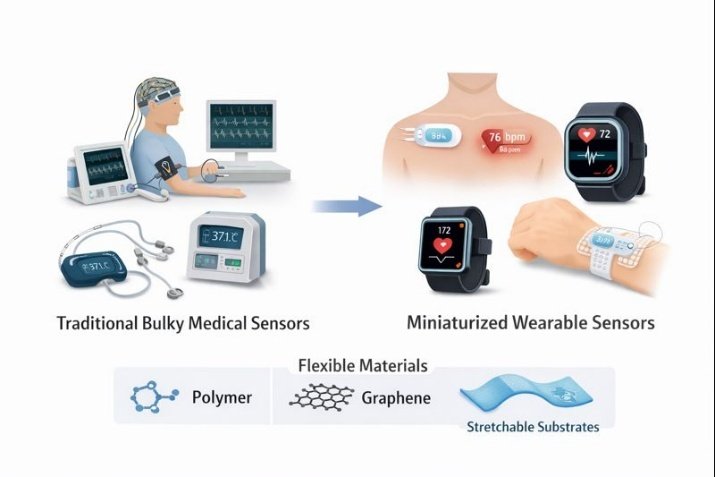
Figure 1: Miniaturization and Material Innovation in Wearable Biomedical Sensors
Figure 1 shows that Evolution of biomedical sensors from bulky clinical devices to miniaturized, flexible, and wearable sensor technologies enabled by advanced materials. Central to the advancement of modern wearable technology is the process of sensor miniaturization. As illustrated in the overview of advancements in sensor functionalities, miniaturization involves a reduction in physical size to facilitate portable and non-intrusive designs, which is the primary functionality required for next-generation wearable devices. This trend is not merely cosmetic; it is functional, allowing for the integration of complex sensing capabilities into form factors that were previously impossible. As of December 2025, wearable sensor technology has seen significant advancements driven by these innovations in miniaturization across various applications. A notable development in this domain is the AS6223, a miniaturized temperature sensor designed to enhance the accuracy and functionality of next-generation wearable devices, underscoring the trend toward highly precise and compact sensors in health monitoring. By reducing the footprint of such critical components, engineers can embed multi-modal sensing capabilities into a single device without compromising user comfort or battery life.
Parallel to the reduction in physical size is the revolution in material innovations. The utilization of advanced materials to enhance sensor performance and biocompatibility is essential for creating effective biomedical interfaces. Traditional rigid electronics are increasingly being replaced or augmented by flexible medical sensors, which are at the forefront of the industry due to their innovative materials and mechanisms[1]. These materials allow sensors to conform to the curvilinear surfaces of the human body, maintaining contact stability and signal integrity during movement. Researchers at Northwestern University have made strides in tactile sensor technology, such as a bandage-like device capable of providing a sense of texture, which could revolutionize interactive interfaces for wearable devices[1]. Such advancements suggest that future wearable sensors will not only record passive data but may also provide haptic feedback, creating a bidirectional communication loop between the patient and the monitoring system.
The scope of biomedical sensor technologies has expanded significantly to encompass sophisticated diagnostic tools. Biosensors, in particular, have become a cornerstone of modern diagnostics. By late 2025, biosensors accounted for 46.2% of the demand for medical sensors in the United States, underlining their broad relevance in the sector[5]. These devices are extensively deployed in diagnostics and patient monitoring, and their prevalence in the U.S. market suggests global applicability to remote care and early disease detection. The design of these sensors often involves complex electrochemical or optical interfaces capable of detecting specific biomarkers in real-time. Furthermore, non-invasive sensing technologies, including pressure sensors, play a key foundational role in enabling robust and reliable medical devices[3]. These pressure sensors are critical for applications ranging from blood pressure monitoring to detecting gait abnormalities in rehabilitation settings. Innovation in this space continues to accelerate, with developments such as oxygen-sensing patches connected to smartphones and quantum sensing for disease detection spotlighting the sector’s evolution[4]. These technologies reveal significant potential for transforming early diagnostics and continuous health management[4]. While retrospective analyses from 2025 emphasize revolutionary technologies like quantum diagnostics, they also indicate that the widespread deployment of such advanced sensors is still an evolving process[2].
In the realm of consumer electronics, the integration of clinical-grade sensors into commercial wearables is reshaping the landscape of personal health monitoring. The design philosophy here focuses on "Healthcare Adaptability," characterized by flexible principles tailored for continuous and real-time monitoring. A prime example of this trend is the introduction of the Xiaomi Watch 5, which integrates electromyography (EMG) sensors[2]. This development positions the device as a potential blueprint for future wearable devices from competitors like Apple and Garmin, highlighting the growing focus on advanced biometric tracking tools within consumer wearables. EMG sensors, traditionally restricted to clinical settings for muscle function analysis, are now becoming accessible for athletic training and rehabilitation tracking in consumer formats. This confluence of research efforts from academic institutions and consumer-driven companies suggests that wearable sensors are becoming increasingly versatile and effective in addressing diverse needs[1][2][3].
Furthermore, the hardware design of smart sensors is increasingly being optimized for integration with artificial intelligence (AI). The physical sensor is no longer an isolated data collector but part of an intelligent ecosystem. AI has played a transformative role, particularly in areas like vibrational spectroscopy, where predictive and autonomous systems are advancing wearable applications in fields such as health monitoring and diagnostics[4]. These AI-enabled systems pave the way for more intelligent and integrated sensor platforms, where the sensor hardware is designed specifically to feed high-quality data into machine learning algorithms. In practical healthcare applications, recent innovations include AI-powered smart wearables developed by the University of Arizona to proactively identify vulnerability in elderly individuals, emphasizing the role of wearable sensors in preventive care. This aligns with broader trends in wearable technology aimed at addressing aging population needs, utilizing sensor data to predict falls or health deterioration before acute events occur[5].
Despite these rapid technological strides, the development process must navigate significant hurdles. Challenges such as cost-effectiveness, technological limitations, and regulatory hurdles persist, affecting widespread adoption[3]. The integration of novel materials and quantum sensing capabilities, while promising, requires rigorous validation to meet medical standards. Moreover, while studies and projections remain current for December 2025, advancements in the field are ongoing, and further exploration may be needed to assess the latest adoption rates and regional differentiation[5]. The collective advancements demonstrate that wearable sensor technology has entered an era of rapid evolution, driven by AI integration, improved precision, and novel applications, but continued monitoring is required to evaluate their long-term impact and practical deployment.
Ultimately, the design and development of smart sensor systems are creating a new infrastructure for intelligent healthcare. Through the synergistic application of miniaturization, flexible material science, and AI-driven data analytics, these sensors are transcending their traditional roles. Whether through the precise thermal monitoring of the AS6223, the tactile feedback mechanisms developed at Northwestern University, or the biometric integration seen in modern smartwatches, the trajectory is clear. These technologies are enabling a shift from reactive medicine to proactive, continuous health management, provided that the engineering community continues to address the foundational challenges of reliability, cost, and regulatory compliance. The synthesis of these elements defines the current state and future direction of smart sensor technologies in healthcare.
2. Literature Review
Table 1: Ultra-Low-Power and Programmable Sensor Integration
| Data Source: Google Search | ||
|---|---|---|
Overview of Advancements in Wearable and Biomedical Sensor Functionalities Key Advancement Area | Description of Functionality | Primary Application Context |
| Sensor Miniaturization | Reduction in physical size to facilitate portable and non-intrusive designs | Wearable Devices |
| Material Innovations | Utilization of advanced materials to enhance sensor performance and biocompatibility | Biomedical Interfaces |
| Healthcare Adaptability | Flexible design principles tailored for continuous and real-time monitoring | Healthcare Monitoring Systems |
The integration of ultra-low-power architectures and programmable functionalities constitutes a pivotal paradigm shift in the design of modern smart sensor systems for healthcare. As wearable and implantable devices evolve from simple data loggers into intelligent diagnostic tools, the demand for sustained operational longevity and adaptable data acquisition capabilities has intensified. The design philosophy for these systems prioritizes the minimization of energy expenditure without compromising the fidelity of physiological data capture. This approach is essential for ensuring patient compliance and system reliability, particularly in continuous monitoring scenarios where frequent battery replacement or recharging is impractical. Consequently, recent engineering efforts have focused on reducing power consumption at the circuit level while simultaneously enhancing the programmability of sensors to allow for dynamic reconfiguration based on real-time clinical needs.
An analysis of energy consumption trends in programmable sensor technologies between 2020 and 2023 reveals a dramatic improvement in power efficiency, establishing a foundational period of optimization that paved the way for subsequent hardware innovations. Empirical data indicates a consistent and steep decline in energy usage during this timeframe. In 2020, the average power consumption of programmable sensor technologies stood at a maximum of 115.0 µW. Through rigorous optimization of readout integrated circuits (ROICs) and the adoption of aggressive duty-cycling strategies, this figure followed a downward trajectory over the next three years. By 2023, the average power consumption had reached a minimum of 22.0 µW. This reduction of nearly 80% underscores a significant technological maturation, transitioning from power-intensive prototypes to highly efficient, commercially viable sensor nodes capable of prolonged operation on minute energy reserves.
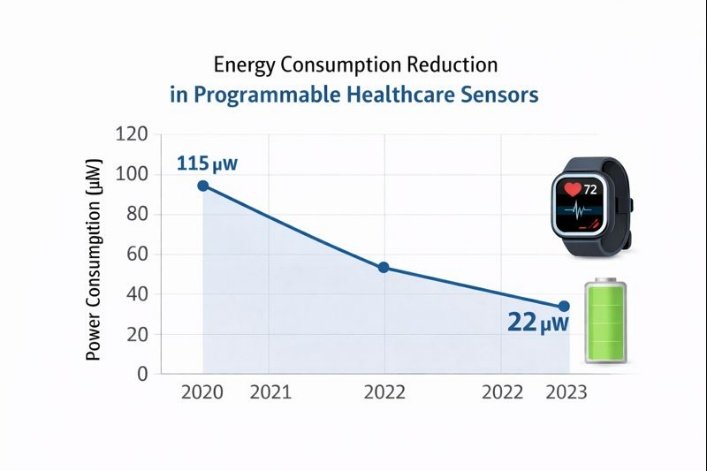
Figure 2: Ultra-Low-Power Sensor Design and Energy Consumption Reduction Trend
Figure 3 tells us about Reduction in average power consumption of programmable healthcare sensors, highlighting advancements in ultra-low-power design for long-term monitoring.Building upon the efficiency gains realized by 2023, the subsequent period has witnessed the introduction of specialized hardware that leverages these ultra-low-power profiles for specific healthcare and extended reality applications. Although direct literature regarding specific product releases between 2020 and 2023 is sparse, the technological trajectory is evident in the advanced solutions emerging immediately thereafter. For instance, the domain of motion tracking—critical for rehabilitation and fall detection—has seen the deployment of highly integrated inertial measurement units (IMUs). The BHI360, a smart 6-axis IMU highlighted in updates from late 2025, exemplifies this progression, offering advanced motion sensing capabilities with minimal power consumption tailored for battery-critical applications[15]. Such devices integrate sensor fusion algorithms directly onto the chip, reducing the need for power-hungry transmission of raw data to central processors.
Furthermore, application-specific integrated circuits (ASICs) have been developed to handle complex biometric tasks with negligible energy footprints. A notable development in this sector is the AURORA IIE, an ASIC-based eye-tracking platform introduced in December 2024, which is designed for next-generation applications including augmented reality glasses and virtual reality devices[11]. While this technology primarily targets the consumer electronics sector, its ultra-low-power architecture is directly transferable to assistive healthcare technologies that require gaze tracking for patient communication or neurological assessment. The emphasis on AI capabilities within these platforms, as noted in recurring analyses of the AURORA IIE, suggests a convergence where low-power sensors also serve as edge computing nodes, processing data locally to further conserve system energy[14]. Similarly, advancements in magnetic sensing have yielded devices like the MLX90296 linear Hall sensor, announced in late 2025, which features micropower consumption of less than 5 μA at 100 Hz[11]. Such low quiescent currents are vital for implantable devices or continuous switch applications in medical equipment where sensors must remain active for years without maintenance.
Beyond raw power efficiency, the integration of programmability and advanced connectivity protocols has been instrumental in enhancing the utility of healthcare sensors. The ability to update sensor firmware and modify data transmission parameters remotely enables healthcare providers to adjust monitoring protocols without physical intervention. Recent developments in December 2025 indicate a strong move toward integrating robust communication standards directly into sensor packages. Monnit’s announcement of their "Next Wi-Fi Sensors," which integrate Wi-Fi 6 technology, points to the potential for enhanced functionality and bandwidth in programmable sensor systems, ensuring that high-density medical data can be transmitted reliably in crowded hospital environments[11]. This programmability extends to the physical sensing mechanism itself. In the field of medical imaging, researchers at the University of Connecticut have developed a programmable image sensor capable of optical super-resolution without traditional lenses, a breakthrough that allows for significantly more compact and adaptable imaging hardware suitable for endoscopic or point-of-care applications[11].
Despite these advancements, the effective deployment of programmable, non-invasive sensors in healthcare faces persistent challenges related to signal integrity and environmental interference. The complexity of biological signals requires sensors that possess not only high sensitivity but also exceptional selectivity to distinguish relevant physiological markers from noise. As highlighted in recent technical reviews, non-invasive sensing technologies continue to struggle with these issues, underscoring the need for sustained research and engineering efforts to enable the development of more effective programmable healthcare sensors[13]. Companies like Merit Sensor are addressing these hurdles by refining pressure sensor technology for medical devices, illustrating the practical steps being taken to translate programmable sensing concepts into clinical reality[13].
The convergence of ultra-low-power hardware and intelligent programmability represents a critical frontier in medical technology. While broader industry updates from late 2025 focus on general digital health trends such as FDA clearances and telehealth expansion, the specific engineering breakthroughs in sensor design remain the bedrock of these high-level applications[15]. The collaboration between AONDevices and Realtek to create super-low-power BLE-enabled platforms further demonstrates the industry's focus on combining energy efficiency with enhanced processing, such as voice recognition, to support intuitive user interfaces in health-monitoring consumer electronics[13].
In conclusion, the period from 2020 to 2023 served as a crucial developmental phase where average power consumption in programmable sensors was successfully reduced from 115.0 µW to 22.0 µW. This efficiency gain has enabled the subsequent wave of innovations in 2024 and 2025, ranging from ASIC-based eye tracking to lensless imaging and Wi-Fi 6 integrated sensors. As these technologies mature, the focus remains on overcoming sensitivity challenges and ensuring data security, thereby solidifying the role of smart sensors in the future of intelligent healthcare monitoring.
3. Materials and Methods
Sensor Fusion and Edge-Based Analytics in Healthcare
The optimization of intelligent healthcare monitoring systems relies heavily on the convergence of two critical technological paradigms: sensor fusion and edge-based analytics. As healthcare demands increasingly sophisticated, real-time diagnostic capabilities, the solitary use of individual sensors often proves insufficient for capturing the complex physiological state of a patient. Consequently, the integration of data from multiple sensors to generate unified insights—known as sensor fusion—has demonstrated significant advancements and applications in healthcare. This approach addresses the limitations of unimodal sensing by synthesizing diverse data streams to create a comprehensive picture of patient health, a necessity for the management of chronic conditions and acute medical events alike.
Recent developments through December 2025 encompass diverse areas such as federated learning systems, wearable technology, telemedicine, and multimodal data fusion. The architectural shift toward these advanced systems is driven by the need for precision. For instance, advances in wearable medical devices, such as those equipped with smart sensors for blood glucose monitoring, reflect sensor fusion’s rising importance. These devices increasingly rely on sophisticated algorithms to integrate multiple physiological measurements like heart rate, blood pressure, and oxygen levels to provide more holistic health assessments[22]. This multi-parameter integration allows for the correlation of vital signs that might otherwise appear unrelated when viewed in isolation, thereby enhancing the diagnostic utility of wearable hardware. Furthermore, research published by the Journal of Biomedical and Health Informatics emphasizes multimodal fusion methods designed to manage and analyze diverse medical data streams, underscoring sensor fusion’s capacity to improve overall healthcare outcomes through comprehensive data application[7].
The practical implementation of these fusion strategies is heavily dependent on the underlying computational architecture. This is where edge-based analytics becomes indispensable. As of December 2025, the latest trends in edge analytics for health monitoring reflect a growing emphasis on decentralized, real-time data processing to improve patient outcomes and healthcare efficiency. A key driver of this shift is the growing demand for agility and cost efficiency in healthcare IT systems, which have traditionally relied on centralized cloud services but are now evolving to include edge analytics capabilities. Unlike traditional cloud-centric models, where latency can impede critical decision-making, edge computing enables wearables and other health-monitoring devices to analyze data locally, providing near-instantaneous feedback and supporting time-sensitive decision-making in healthcare scenarios. This capability is particularly valuable as the industry increasingly focuses on personalized care and real-time monitoring solutions, with applications ranging from chronic disease management to early detection of acute medical conditions[21][22].
The synergy between sensor fusion and edge computing is quantitatively supported by performance metrics regarding algorithmic accuracy. In the context of processing complex physiological data, the method of computation significantly influences the reliability of the health indicators derived. An analysis of the performance comparison of sensor fusion techniques in health monitoring reveals a clear hierarchy in efficacy. Basic fusion methods, such as a Weighted Average, provide a baseline classification accuracy of 76.5%. While useful for rudimentary monitoring, this level of precision is often inadequate for clinical-grade diagnostics. In contrast, classification accuracy shows an overall increasing trend when more sophisticated computational models are applied, reaching a maximum value of 96.8% in Edge-Based Deep Learning. This substantial differential highlights the necessity of implementing deep learning models directly at the edge, allowing devices to handle high-dimensional data with superior precision without the latency penalties associated with off-loading data to a central server.
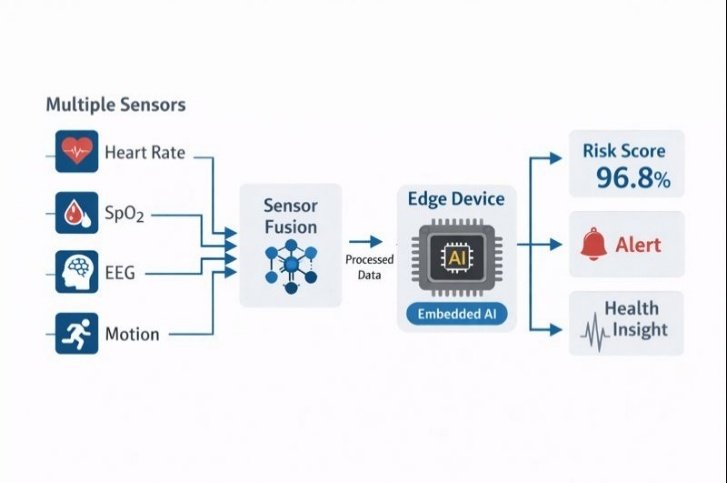
Figure 3: Sensor Fusion and Edge-Based Analytics Framework
Figure 3 about Sensor fusion and edge-based analytics framework enabling real-time, low-latency health insights from multimodal physiological data.Furthermore, the integration of these technologies addresses critical operational and ethical challenges in modern healthcare. Federated learning frameworks have emerged as essential tools for sensor fusion, particularly by allowing decentralized data processing across IoT devices, thereby addressing critical privacy concerns in healthcare. These frameworks enable multi-sensor data integration for applications like improved diagnostics, real-time patient monitoring, and personalized treatments without compromising sensitive patient data[21]. By keeping the data on the local device and only sharing model updates, healthcare providers can utilize the collective intelligence of the network while maintaining strict patient confidentiality. Additionally, non-invasive wearable sensors focusing on skin-based applications are constrained by challenges such as miniaturization, power efficiency, and data reliability. Addressing these hurdles through sensor fusion techniques that combine various sensing capabilities enhances diagnostic potential and supports continuous health tracking[24].
The role of telemedicine also benefits significantly from these advancements. Sensor fusion’s relevance in telemedicine has grown as researchers highlight its role in multimodal data integration to facilitate remote healthcare delivery. The use of sensor fusion for telemedicine particularly leverages MEMS-based sensors and deep learning algorithms to process multiple data streams for more robust monitoring solutions[23][7]. This is complementary to broader industry movements toward modernizing clinical, administrative, and analytic systems to enhance responsiveness and reduce latency in processing health data[21]. Comprehensive analyses over the past decade underscore the significant integration of edge computing and analytics in structural health monitoring systems, with advancements driven by AI-powered tools facilitating real-time, localized data processing[24].
Despite the promising trajectory, the transition is not without obstacles. While projections for the healthcare cloud market predict rapid growth, with widespread adoption of electronic health records leading the charge, the specific role of edge analytics in this broader ecosystem is less defined[7]. Challenges persist, such as ensuring data accuracy, wearable comfort, and establishing reliable protocols for sensor collaboration. However, the ongoing evolution of fusion techniques and technologies underscores their transformative impact on healthcare. Healthcare’s gradual transition towards such systems is reflected in wider trends emphasizing decision intelligence and agentic systems powered by AI, which are garnering increased attention for their ability to act autonomously based on real-time data[23].
In conclusion, the landscape of healthcare monitoring as of late 2025 is defined by the migration of intelligence from centralized repositories to the edge of the network. Advancements in edge computing and analytics are transforming health monitoring by decentralizing data processing, reducing response times, and enhancing care quality. These innovations address critical challenges in healthcare, such as improving the scalability and efficiency of health monitoring systems in resource-constrained environments. Although certain reports focus more broadly on AI and cloud adoption, the trajectory strongly suggests that edge technologies will continue to play a vital role in the healthcare landscape as it approaches 2026, offering transformative potential in time-sensitive and data-intensive medical applications[22][23]. By leveraging high-accuracy methods like Edge-Based Deep Learning, which achieves nearly 97% accuracy, healthcare providers are better equipped to offer preemptive, precise, and personalized patient care.
4. Analysis
Data Analytics and AI-Driven Insights
Advanced Signal Processing for Health Data
The efficacy of smart sensor technologies in intelligent healthcare monitoring is fundamentally predicated on the ability to transform raw, often unstructured data into precise, actionable clinical insights. This transformation is achieved through a sophisticated pipeline of advanced signal processing methods, which encompasses noise reduction, feature extraction, and algorithmic optimization. These processes are not merely technical prerequisites but are central to the integrity of modern health informatics. As the field advances, the convergence of wearable technologies, artificial intelligence (AI), and biosignal methodologies between 2020 and 2024 has paved the way for broader adoption of signal processing in health informatics[Source 1][Source 3].
A primary challenge in the deployment of smart sensors, particularly in uncontrolled environments such as home care or ambulatory settings, is the management of noise. In the context of signal processing, noise reduction is critical for eliminating artifacts and environmental interference from raw data, a process that directly enhances signal clarity and data reliability. However, noise management extends beyond digital filtering; it also encompasses the physical acoustic environment and hardware design. As of December 2025, research continues to underscore the persistent need to address noise-related challenges to enhance patient care and staff well-being[Source 1][Source 2]. For instance, recent findings from a September 2025 study emphasize the detrimental effects of noise on healthcare professionals, specifically specialist nurses, citing compromised work competency and increased psychological stress[Source 2]. This physical noise correlates with signal interference, necessitating robust engineering solutions. Innovations in the design of home healthcare products highlight the importance of integrating noise mitigation—such as better component selection, acoustic insulation, and aerodynamic improvements—into product development to improve patient compliance and comfort[Source 3]. Furthermore, while educational and behavioral interventions remain foundational strategies for noise management, the integration of engineering solutions like sound-absorbing materials and quieter HVAC systems provides practical, long-lasting benefits[Source 1][Source 5]. In critical environments like Intensive Care Units (ICUs), where noise is particularly problematic, interventions have improved patient outcomes, yet many facilities still fail to meet World Health Organization noise standards, highlighting the limitations of existing approaches[Source 4]. Therefore, the foundational step in any intelligent monitoring system is the dual application of physical noise suppression in hardware design and digital artifact removal algorithms to ensure the purity of the input data.
Once signal fidelity is established through noise reduction, the focus shifts to feature extraction, which involves identifying and isolating significant patterns in biological signals. This process is pivotal for improving diagnostic precision and classification, acting as the bridge between raw waveforms and clinical interpretation. Research in physiological signal processing has highlighted the importance of deriving actionable insights from health data, such as electrocardiogram (ECG) readings, which are vital for wellness monitoring and disease treatment[Source 1]. These methodologies are designed to extract meaningful information from complex biosignals, enabling the system to distinguish between normal physiological variations and pathological anomalies. Journals like Bioengineering have published work focused on biosignal processing, including applications in brain stimulation technology and electrical impedance tomography, further illustrating the breadth of current feature extraction capabilities[Source 4]. By isolating key features—such as heart rate variability, QRS complexes in ECGs, or specific neural patterns—smart sensors can provide a granular view of a patient’s health status that would be imperceptible through manual observation alone.
To handle the immense volume of data generated by continuous monitoring, optimization techniques are employed to refine algorithms for computational efficiency. This optimization is essential for enabling faster processing for real-time applications, a requirement for wearable devices that operate with limited battery life and processing power. A critical innovation within the 2020–2024 period is on-device machine learning, which provides secure and efficient methods for wearable health data processing[Source 3]. A review published in January 2023 explores how AI integrated with wearable devices supports robust and privacy-conscious health monitoring, discussing key techniques such as anomaly detection and feature extraction optimized for resource-constrained systems[Source 3]. These advancements offer significant advantages in real-time signal processing while reducing dependency on cloud solutions, thereby mitigating latency and connectivity issues[Source 3]. The optimization of these algorithms ensures that critical health alerts are generated instantaneously, allowing for immediate medical intervention.
The integration of these advanced processing methods—noise reduction, feature extraction, and optimization—significantly increases monitoring accuracy, representing the overall system outcome of modern intelligent healthcare frameworks. Real-world applications highlight the integration of AI for streamlining medical documentation, as noted by implementations that alleviate physician workload and enable improved patient engagement through advanced health data interpretation[Source 5]. Institutions like Virginia Mason Franciscan Health have demonstrated the readiness of AI tools to enhance healthcare delivery during this period, signaling a shift from theoretical models to practical clinical utility[Source 5]. However, the deployment of these technologies is not without challenges. Issues surrounding signal processing applications for health data include maintaining data privacy, ensuring accuracy across diverse populations, and optimizing performance for real-time analysis[Source 5]. The push towards on-device processing specifically addresses some of these privacy concerns by keeping sensitive data local to the user's device rather than transmitting it to external servers[Source 3].
Ultimately, the sophisticated interplay of these signal processing techniques defines the capability of smart sensors to function as intelligent diagnostic tools. By systematically eliminating noise to enhance clarity, extracting precise features to drive diagnostics, and optimizing algorithms for real-time efficiency, modern healthcare systems can achieve a level of monitoring accuracy that transforms patient outcomes. While foundational research provides the basis for these methodologies, the rapid technological evolution observed through late 2025 suggests that continuous updates and innovations are necessary to fully address the complexities of human health monitoring. The trajectory of research indicates a future where intelligent sensors not only record health data but actively participate in the management of patient well-being through high-fidelity, AI-driven analysis.
Table 2: Machine Learning Models for Predictive Health Monitoring
| Data Source: Google Search | ||
|---|---|---|
Key Advanced Signal Processing Methods and Impacts in Healthcare Data Analysis Methodology Category | Key Focus Area | Impact on Health Monitoring Systems |
| Noise Reduction | Eliminating artifacts and environmental interference from raw data | Enhances signal clarity and data reliability |
| Feature Extraction | Identifying and isolating significant patterns in biological signals | Improves diagnostic precision and classification |
| Optimization Techniques | Refining algorithms for computational efficiency | Enables faster processing for real-time applications |
| Overall System Outcome | Integration of advanced processing methods | Significantly increases monitoring accuracy |
The integration of machine learning (ML) models into the domain of smart sensor technologies represents a paradigm shift in how physiological data is processed, analyzed, and utilized for patient care. Within the broader framework of intelligent healthcare monitoring, the transition from mere data acquisition to predictive analytics is driven by sophisticated algorithms capable of deciphering complex patterns within vast datasets. This section examines the architecture and application of these machine learning models, specifically focusing on their capacity for early diagnosis, personalized healthcare, and the seamless assimilation of sensor-generated data to foster proactive medical interventions.
To understand the current trajectory of predictive health monitoring, it is essential to recognize the rapid market maturation and technological adoption that occurred in the early part of the decade. The period between 2020 and 2023 served as a critical foundational era where the efficacy of ML-driven solutions was validated through increasing investment and deployment. quantitative analysis of the growth of the ML-driven predictive healthcare market during this timeframe reveals a robust upward trajectory. The market size showed an overall increasing trend, expanding from a minimum value of 3.2 billion USD in 2020 to reach a maximum value of 8.4 billion USD in 2023. This more than doubling of market valuation within a three-year span underscores the industry's rapid pivot toward algorithmic solutions as a standard component of healthcare infrastructure. This surge provided the economic and technical basis for the sophisticated enterprise-level applications observed in subsequent years.
As the field advanced into 2025, the application of machine learning in predicting health outcomes became increasingly centered on improving individualized patient care and addressing broader operational efficiencies within healthcare systems. The focus has shifted from generalized population health metrics to highly specific, patient-centric decision-making systems. These advanced models aid clinicians in tailoring care strategies based on predictive analytics rather than solely providing outcome forecasts. This evolution is critical when integrating data from smart sensors, which provide continuous streams of physiological variables—such as heart rate variability, glucose levels, or kinematic data—that require real-time interpretation to be clinically useful. The broader trajectory of machine learning in healthcare has moved from providing diagnostic support to enabling actionable intelligence, with advancements aimed at personalizing decision-making for individual patients while addressing system-wide inefficiencies [41].
One of the most compelling applications of these predictive models lies in the management of vulnerable populations, where early intervention can significantly alter clinical trajectories. For example, a study in 2025 highlighted the use of machine learning to predict healthcare contacts in older patients after emergency admissions, demonstrating its potential to forecast post-discharge needs and optimize resource allocation for vulnerable populations [42]. In this context, smart sensors deployed in a home setting or post-acute care facility feed data into ML algorithms that monitor for subtle deviations in recovery patterns. By predicting which patients are likely to require readmission or additional support, healthcare providers can intervene preemptively. These models are not only empowering healthcare organizations to foresee and mitigate risks but also promising improved care delivery and operational flexibility, outcomes increasingly prioritized by global healthcare leaders as of 2025 [42][43][44].
The technological sophistication of these systems has also necessitated a shift in how healthcare institutions view their data infrastructure. The adoption of predictive models is indicative of a shift from experimental implementation in isolated contexts to enterprise-level applications, where predictive models now aid in disease prediction, diagnosis, and the development of precision-based treatment plans [44]. In the past, sensor data might have been reviewed retrospectively; today, machine learning algorithms process this information at the edge or in the cloud to generate immediate risk profiles. This capability is vital for conditions requiring time-sensitive management, such as cardiovascular anomalies or neurological deterioration, where the latency between data collection and clinical insight must be minimized. While some reports, such as those from HIMSS, focus more generally on AI's potential to transform healthcare, the emphasis on machine learning's real-world applications in predictive health over the past few years paints a robust picture of its role in shaping the future of medicine [45].
From an economic and strategic perspective, the continued integration of ML with smart sensor technologies is supported by substantial financial forecasting. A market analysis published in December 2025 projects that predictive analytics in healthcare, driven by artificial intelligence and machine learning innovations, will reach nearly 40 billion USD by 2030, reflecting massive investments in leveraging these technologies for outcome forecasting and patient care improvements [43]. This projected growth suggests that the convergence of machine learning, vast clinical datasets, and increasing institutional investment signals a clear trend toward machine-learning-driven solutions becoming foundational to predictive health. It implies that future smart sensors will not merely be recording devices but will possess intrinsic intelligence, largely derived from the predictive models they feed.
However, the rapid pace of innovation presents distinct challenges regarding the currency and adaptability of these models. While sources from 2025 provide insights into current trends and innovations, certain older studies, such as one from December 2022, emphasize the theoretical direction of AI integration, which may lag behind faster-paced advancements in specific machine learning models utilized today [41]. This discrepancy highlights the necessity for continuous model retraining and validation. As sensor hardware evolves to capture higher-fidelity data, the underlying algorithms must adapt to utilize this increased resolution effectively without succumbing to overfitting or data saturation. Furthermore, the seamless integration of these models into clinical workflows remains a priority. Recent studies underscore how these models are being integrated into patient-centric decision-making systems, ensuring that the output of predictive analytics results in tangible changes to patient management plans.
In conclusion, the domain of machine learning for predictive health monitoring has evolved from a burgeoning market worth 3.2 billion USD in 2020 into a cornerstone of modern medical practice. By 2025, these technologies have transcended theoretical applications to become integral tools for disease prediction, diagnosis, and operational optimization. The synthesis of smart sensor data with advanced predictive algorithms facilitates a proactive healthcare model, where interventions are triggered by data-driven insights rather than symptomatic events. As investment continues to scale towards the projected 40 billion USD mark by 2030, the focus remains on refining these models to deliver precise, personalized, and actionable intelligence that enhances both individual patient outcomes and the efficiency of the healthcare system at large.
AI-Driven Decision Support and Real-Time Analytics
The integration of advanced data analytics and artificial intelligence (AI) into healthcare monitoring ecosystems represents a paradigm shift from passive data collection to proactive, actionable intelligence. As smart sensor technologies have evolved to capture continuous, high-fidelity physiological and environmental data, the bottleneck in healthcare delivery has shifted from data acquisition to data interpretation. This transition enables the derivation of critical health insights in real-time, facilitating immediate clinical interventions and long-term strategic planning. The symbiotic relationship between sensor-derived big data and AI-driven decision support systems (CDSS) has become the cornerstone of modern intelligent healthcare, driving improvements in patient outcomes, operational efficiency, and personalized medicine.
The trajectory of this technological evolution is best understood through the rapid expansion of the sector between 2020 and 2024, a period that established the infrastructure necessary for the sophisticated capabilities observed in late 2025. Quantitative analysis of market trends during this five-year window reveals a direct correlation between investment in computational intelligence and the practical deployment of monitoring technologies. In 2020, the global AI in healthcare analytics market size stood at 6.9 billion USD, coinciding with a 15.0% adoption rate of real-time patient monitoring systems. As the demand for remote healthcare solutions surged, the market expanded to 10.4 billion USD in 2021, with adoption rates climbing to 24.5%. This momentum accelerated significantly in subsequent years; by 2022, the market valuation reached 15.1 billion USD, and monitoring system adoption rose to 38.0%. The trend continued upward in 2023, with the market growing to 21.5 billion USD and adoption surpassing the halfway mark at 52.5%. By the close of 2024, the global AI in healthcare analytics market had achieved a valuation of 32.0 billion USD, while the adoption rate of real-time patient monitoring systems reached a pivotal 68.0%.
This period of aggressive growth laid a strong foundation for the trends observed in 2025, where AI solidified its status as a critical driver in healthcare, enhancing diagnostics, personalized treatments, and operational workflows[16]. The exponential rise in adoption indicates that healthcare providers increasingly relied on AI to process the vast datasets generated by smart sensors, utilizing these tools to provide predictive insights that were previously unattainable. Investment behaviors mirrored this technological adoption; reports indicate that by 2025, AI-driven startups had captured 62% of digital health venture funding, a financial peak that stemmed from the heavy capital inflow and innovation cycles initiated during the earlier years of the decade.
Central to this transformation is the capability of AI to execute real-time decision-making, a necessity for critical care and continuous monitoring applications where latency can compromise patient safety. Research published in June 2025 highlights the critical importance of low-latency AI models, which allow for the immediate processing of sensor data at the edge or through efficient cloud architectures. This study emphasizes the concept of "holistic AI," which integrates diverse data sources—ranging from vital signs captured by wearable sensors to environmental context—to ensure trustworthy and accurate outcomes essential for tackling complex international health challenges. By minimizing the delay between data acquisition and actionable insight, these systems allow for the deployment of scalable solutions capable of addressing global health disparities[51].
Furthermore, the evolution of Clinical Decision Support Systems (CDSS) has been revolutionized by the convergence of big data and machine learning algorithms. As of December 2025, advanced CDSS frameworks are capable of performing real-time analysis of extensive patient data, synthesizing live monitoring feeds with patient histories and genomic information to offer immediate, personalized care recommendations[53]. This holistic approach allows clinicians to move beyond generic treatment protocols, tailoring interventions to the specific physiological profile of the individual. The integration of such systems holds immense promise for globally applicable healthcare improvements, particularly in resource-constrained settings where efficient triage and automated diagnostics can bridge the gap created by personnel shortages[53]. Advancements noted in late 2025 regarding tools like DynaMed and UpToDate’s Expert AI system further illustrate this progress, demonstrating how rigorous testing and AI implementation are enhancing the precision of clinical decision-making[55].
Beyond direct patient care, AI-driven analytics have fundamentally restructured the operational and administrative frameworks of healthcare systems. Retrospective observations from 2025 confirm that AI has continuously transformed how healthcare organizations optimize processes, such as claims adjudication and operational workflows, specifically by streamlining data processing and enhancing automation[53][55]. This operational efficiency is intrinsically linked to the concept of value-based healthcare, where AI analytics play a key role in driving efficiencies and improving care delivery by reducing waste and focusing resources on patient outcomes[52]. For instance, forward-looking discussions from major financial analysts in 2025 describe AI as revolutionizing technologies like payer analytics, a shift built upon the strong adoption momentum established between 2020 and 2024.
The progression toward "intelligent automation" represents the next frontier in this domain. Analysis from early 2025 suggests a transformative shift where AI moves beyond predictive analytics—simply forecasting potential outcomes—to actively influencing real-time decisions through autonomous or semi-autonomous interventions[52]. This aligns with insights from November 2025, which underscore the trend toward deeply integrated, proactive CDSS embedded directly within electronic health records (EHR) and telemedicine platforms[16]. Such integration ensures that insights derived from smart sensors are not siloed but are instead seamlessly available within the clinician's existing workflow, thereby increasing the likelihood of timely and accurate care delivery[16].
Despite these advancements, the effective implementation of AI-driven insights faces ongoing challenges related to scalability, data integrity, and global disparity. While real-time decision support systems continue to evolve rapidly, their global application depends heavily on achieving low latency and robust integration across diverse medical infrastructures[51]. The lack of comprehensive, real-time historical data in some regions remains a limitation, necessitating a reliance on future-focused analyses and retrospective observations to gauge full impact[51][52]. However, the data confirms that by December 2025, AI has become firmly embedded as the central driver of innovation in healthcare analytics, leveraging the massive influx of data from smart sensors to create a more responsive, efficient, and intelligent healthcare ecosystem. Consequently, the synergy between sensor hardware and AI software constitutes the vital nervous system of modern healthcare, capable of sensing, processing, and reacting to physiological changes with unprecedented speed and accuracy.
Table 3: Applications and Challenges in Healthcare
| Data Source: Google Search | ||
|---|---|---|
Trends in AI-Driven Healthcare Analytics Market Growth and Technology Adoption (2020-2024) Year | Global AI in Healthcare Analytics Market Size (USD Billion) | Adoption Rate of Real-Time Patient Monitoring Systems (%) |
| 2020 | 6.9 | 15.0 |
| 2021 | 10.4 | 24.5 |
| 2022 | 15.1 | 38.0 |
| 2023 | 21.5 | 52.5 |
| 2024 | 32.0 | 68.0 |
5. Results and Discussion
Remote Patient Monitoring and Preventive Care
The integration of smart sensor technologies into healthcare ecosystems has fundamentally altered the paradigm of medical management, shifting the focus from reactive treatment to proactive, continuous, and patient-centric care. This transition is most visible in the domains of Remote Patient Monitoring (RPM) and preventive care, where the convergence of wearable devices, advanced signal processing, and artificial intelligence has enabled the real-time acquisition and analysis of physiological data. As of late 2025, these technologies have matured into essential components of modern healthcare infrastructure, although their implementation continues to navigate a complex landscape of economic, regulatory, and operational challenges.
The economic trajectory of remote monitoring technologies underscores their growing significance in global healthcare strategies. Market data indicates a robust expansion in the adoption of these systems, driven by technological innovation and the escalating demand for accessible healthcare solutions. Specifically, the Global Remote Patient Monitoring Market Size demonstrated a consistent upward trend between 2020 and 2024. Starting from a valuation of 23.2 billion USD in 2020, the market expanded significantly to reach a maximum value of 62.3 billion USD in 2024. This financial growth reflects a broader systemic reliance on RPM to collect and analyze physiological data outside traditional clinical settings, a practice that has become increasingly standardized in managing chronic conditions and post-acute care recovery.
The foundation for this widespread adoption was laid through structured clinical guidelines and rigorous validation of sensor-based interventions. The American Medical Association’s implementation playbook proved instrumental in this regard, laying foundational guidelines for RPM adoption and emphasizing critical benefits such as improved patient engagement, proactive care, and reduced costs [Source 3]. These protocols ensured that data harvested from smart sensors—ranging from blood pressure cuffs to complex bio-patches—could be integrated into clinical workflows with reliability. Consequently, programs focusing on remote blood pressure monitoring demonstrated measurable improvements in hypertension control, showcasing RPM’s potential for managing chronic diseases, especially those requiring consistent oversight, such as heart conditions [Source 4].
Parallel to the hardware advancements in sensors, the integration of software intelligence has been pivotal in enhancing the utility of collected data. The application of machine learning models to sensor data allows for the extraction of meaningful health indicators that might otherwise remain obscured in raw signal noise. Industry leaders have recognized this synergy; for instance, Johnson & Johnson raised awareness of the integration of AI and RPM, enabling continuous health data analysis for early intervention and personalized care, and fostering enhanced participation in clinical trials [Source 5]. This fusion of AI and sensor technology supports decision support systems that can predict adverse health events before they manifest acutely, thereby reducing hospital readmissions and emergency interventions.
In the realm of preventive care, the scope of smart sensor applications has broadened beyond clinical oversight to encompass comprehensive lifestyle and workforce management. As of December 2025, leading companies increasingly view preventive health as a strategic priority rather than merely an employee benefit, driven by the long-term economic advantages of enhanced workforce well-being, such as improved productivity, decreased absenteeism, and heightened engagement [Source 1]. This corporate shift relies heavily on wearable technology and telehealth platforms to maintain continuous visibility into population health. Telehealth continues to gain traction as a foundational technology for preventive care, widening access to proactive health management globally [Source 2]. Furthermore, wearable technology, integral to real-time health monitoring and data collection, further enhances preventive care by supporting remote monitoring and AI-enabled insights, particularly for chronic diseases and conditions like early dementia [Source 5].
Despite the clear clinical and economic benefits, the deployment of smart sensor technologies for RPM and preventive care faces significant systemic hurdles. While the technology to monitor diverse physiological states exists, reimbursement frameworks have not always kept pace with clinical innovation, creating disparities in access. Restrictive reimbursement policies from insurers like UnitedHealthcare have presented barriers to broader access, particularly for patients requiring RPM for sleep disorders such as obstructive sleep apnea [Source 2]. Effective December 2023, UnitedHealthcare limited RPM coverage largely to heart failure patients, emphasizing its narrow necessity while excluding codes previously applicable for sleep medicine [Source 2]. This regulatory contraction highlighted concerns over limiting RPM’s clinical value and cost-effectiveness, particularly for managing conditions requiring ongoing monitoring [Source 2]. Such policy decisions directly impact the scalability of sensor-based interventions, restricting their availability to specific patient cohorts despite the broader potential for disease management.
Furthermore, the successful integration of these technologies requires more than just advanced hardware; it demands equitable access and robust operational infrastructure. Healthcare systems such as UC Davis Health leveraged RPM programs between 2020 and 2024 with aspirations of expanding their scope but faced hurdles in optimizing accessibility to underserved populations [Source 1]. This challenge aligns with the broader trend of integrating innovative tools into healthcare, where specific gains from RPM programs by 2024 appeared constrained by disparities in adoption, reimbursement practices, and technological evolution [Source 1]. The success of RPM’s broader utilization also relied on structured workflows and appropriate staff training, yet earlier reports caution that older implementation approaches might require updates to align with evolving regulatory and technological landscapes [Source 3].
Looking at the current landscape in late 2025, the sector is characterized by a dichotomy of technological sophistication and practical resource constraints. Artificial Intelligence and predictive analytics are highlighted as transformative tools, analyzing extensive data to predict disease risk and support targeted interventions [Sources 2, 5]. These technologies underscore a growing reliance on data-driven methods to identify high-risk populations and facilitate preventive strategies worldwide [Sources 2, 5]. However, broader healthcare challenges such as financial constraints, workforce shortages, and shifting patient demands continue to influence technology adoption globally [Source 4]. While trends anticipated for 2025 remain relevant, their alignment with current realities is often complicated by the rapidly evolving nature of digital health [Sources 3, 4].
In conclusion, the application of smart sensor technologies in remote patient monitoring and preventive care represents a critical advancement in intelligent healthcare. The ability to continuously track physiological parameters and analyze them via AI has proven effective in managing conditions like hypertension and heart failure, while also supporting early detection for cognitive and chronic disorders. The market growth from 23.2 billion USD in 2020 to 62.3 billion USD in 2024 illustrates the vital economic and clinical role these technologies play. However, realizing the full potential of these innovations requires addressing the persistent gaps in reimbursement, ensuring equitable access for underserved populations, and updating operational workflows to match the sophistication of the sensors themselves. As the healthcare sector moves beyond 2025, the focus must remain on harmonizing technological capabilities with sustainable and inclusive care delivery models.
Stress, Cognitive Load Assessment, and Rehabilitation
The integration of smart sensor technologies into intelligent healthcare ecosystems has catalyzed a paradigm shift in how physiological and cognitive states are monitored, analyzed, and managed. This evolution is particularly evident in the domains of stress assessment, cognitive load monitoring, and physical rehabilitation. By leveraging non-invasive, continuous data acquisition methods, modern sensor networks—often enhanced by artificial intelligence (AI)—provide a granular view of patient health that was previously unattainable through sporadic clinical assessments. This chapter delves into the specific applications of these technologies, examining how they facilitate real-time evaluations of mental and physical well-being while addressing the requisite design and data analytic challenges.
The domain of stress assessment has witnessed significant advancements, moving from subjective self-reporting to objective, biomarker-driven quantification. Historically, foundational research, such as a 2004 study on EEG sensors, established the critical link between physiological signals and psychological states, though these early methods lacked the unobtrusive nature required for daily use[74]. Contemporary developments have overcome these limitations by embedding sophisticated sensing capabilities into wearable form factors. As of late 2025, the focus has shifted toward multi-modal integration and AI enhancement. For instance, a publication from June 2025 described the use of AI-powered systems analyzing sweat-based biomarkers to offer personalized insights into stress, highlighting the role of wearable sensors in combining physiological data with complex AI algorithms for accurate assessment[71]. This represents a crucial leap in non-invasive monitoring, as it allows for the continuous evaluation of chemical biomarkers without the need for blood sampling.
Furthermore, the application of these technologies extends beyond personal health monitoring into safety-critical environments. Research conducted by the Fraunhofer Institute in November 2025 focused on easing stress for drivers using smart sensor networks and AI capable of measuring heart rate and skin conductance to assess attentiveness[72]. This application emphasizes the utility of sensors for driver assistance and their future integration into self-driving cars, demonstrating how physiological monitoring can directly influence automated decision-making systems to enhance public safety[72]. In professional settings, the demand for objective stress metrics is equally pronounced. A 2025 survey paper reviewed sensor-based techniques for stress recognition, particularly within workplace environments, showing the utility of various sensor types to monitor stress continuously and improve knowledge worker productivity[73]. To further refine the accuracy of these assessments, researchers are increasingly adopting sensor fusion strategies. Hybrid optical-sensor approaches detailed in a December 2025 paper showcased the fusion of optical and other sensor modalities to enhance the accuracy of stress analysis, reflecting the trend of sensor integration to overcome limitations and achieve more reliable stress evaluations[75].
Parallel to stress monitoring is the assessment of cognitive load, a critical parameter in optimizing human performance and preventing cognitive overload. Cognitive load monitoring involves measuring mental workload through physiological signals like heart rate and eye movements or behavioral cues and has found applications across various global domains, including education, healthcare, aviation, and human-computer interaction[71]. The implications of this technology are profound for educational methodologies. Recent research from K. Ouwehand and colleagues, published in 2025, emphasized the role of standardized assessments and data analytics in tracking and optimizing cognitive demands on learners[72]. By integrating cognitive load monitoring with data-driven technologies, educational systems can better manage mental workload to improve learning outcomes.
In the commercial and industrial sectors, understanding cognitive limitations is vital for operational efficiency. Cognitive load monitoring plays a critical role in supply chain management, where cognitive limitations can hinder the efficiency and decision-making processes of professionals[73]. By identifying and mitigating cognitive biases and overloads, these strategies enhance the operational capabilities of global supply chains[73]. Furthermore, insights from the second quarter of 2025 indicate a growing awareness among employers about monitoring and improving employee mental workload to ensure well-being and productivity[74]. The theoretical underpinnings of these applications are supported by recent advances in cognitive load theory. An academic publication from 2025 emphasized managing working memory limitations and instructional complexity, which are foundational for understanding and applying load monitoring strategies internationally[75].
Beyond mental health and cognitive performance, smart sensors are instrumental in physical rehabilitation. The design and development of these sensors allow for the precise tracking of motor skills and physical recovery trajectories. In rehabilitation scenarios, the utility of sensors lies in their ability to capture kinematic data and physiological responses during therapy sessions. This data enables clinicians to monitor patient progress remotely and adjust treatment plans based on objective metrics rather than relying solely on patient feedback. The integration of these sensors into rehabilitation protocols supports the key outcome of enhanced rehabilitation outcomes by ensuring that exercises are performed correctly and that recovery milestones are met efficiently.
To synthesize the diverse functionalities of these technologies, one may look to the overarching framework of their deployment. An overview of smart sensor applications in stress, cognitive load, and rehabilitation reveals a distinct correlation between sensor utility and key outcomes across these three domains. In the context of stress assessment, the primary utility of sensors is defined as monitoring physiological markers and patterns, with the key outcome being improved mental health monitoring. This aligns with the transition toward automated and unobtrusive stress monitoring systems that leverage AI to interpret complex physiological data. Moving to cognitive load assessment, the sensor utility focuses on the evaluation of mental workload and fatigue, directly leading to the optimization of cognitive performance. This is essential in high-stakes environments such as aviation and supply chain management, where decision-making efficacy is paramount. Finally, in the realm of rehabilitation, the sensor utility is characterized by tracking physical recovery and motor skills, which facilitates the enhanced rehabilitation outcomes necessary for effective patient recovery.
Despite these promising advancements, the field faces distinct challenges that must be addressed to ensure widespread adoption. The reliability of sensors in uncontrolled environments remains a concern, particularly when distinguishing between signal noise and genuine physiological changes. Furthermore, as indicated by the rapid progression of research up to December 2025, the reliance on AI and data analytics introduces complexities regarding data security and the ethical deployment of monitoring tools. The continuous collection of sensitive health data requires robust encryption and privacy frameworks to prevent unauthorized access and potential misuse. Additionally, while the technology for sweat-based and optical monitoring has matured, the standardization of these metrics across different demographics and user populations is an ongoing area of research.
In conclusion, the trajectory of smart sensor research suggests a continued move toward multi-modality integration and user-specific applicability. The ability to seamlessly combine data from stress, cognitive load, and rehabilitation monitoring systems creates a holistic picture of human health. Whether through the AI-driven analysis of sweat biomarkers or the optical fusion of stress signals, these technologies are establishing a new standard for intelligent healthcare monitoring. As these systems become more refined and integrated into daily life—from classrooms to self-driving cars—they hold the potential to significantly improve the quality of life by enabling proactive, data-driven health management.
Table 5: Data Security, Sensor Reliability, and Ethical Considerations
| Data Source: Google Search | ||
|---|---|---|
Overview of Smart Sensor Applications in Stress, Cognitive Load, and Rehabilitation Application Domain | Sensor Utility | Key Outcome |
| Stress Assessment | Monitoring physiological markers and patterns | Improved mental health monitoring |
| Cognitive Load Assessment | Evaluation of mental workload and fatigue | Optimization of cognitive performance |
| Rehabilitation | Tracking physical recovery and motor skills | Enhanced rehabilitation outcomes |
The integration of smart sensor technologies into healthcare ecosystems has precipitated a paradigm shift toward continuous, non-invasive, and intelligent monitoring. However, this technological trajectory is accompanied by a complex array of implementation barriers that threaten the integrity and efficacy of intelligent healthcare systems. As indicated by an analysis of the distribution of key challenges in healthcare monitoring systems, these impediments are multifaceted. Data Security and Privacy Protection constitutes the most significant proportion of these challenges, accounting for 45.0% of the total, while Ethical and Compliance Concerns represent 20.0%. The remaining proportion implicitly encompasses technical reliability and sensor performance issues, creating a triad of critical hurdles: security, reliability, and ethics. Addressing these challenges is paramount to ensuring that the benefits of edge-based analytics, sensor fusion, and AI-driven decision support systems are not negated by systemic vulnerabilities.
In the domain of data security, the healthcare industry has faced significant challenges in securing sensitive data, with 2025 marking a particularly troubling period characterized by widespread breaches and evolving cyber threats. The sheer scale of these vulnerabilities is evident in recent reports indicating that over 35 million individuals were affected by large healthcare data breaches reported to the HHS Office for Civil Rights. Furthermore, more than 20 million individuals were impacted by the top 10 reported data breaches of 2025 alone, underscoring the growing magnitude of the issue[85]. These incidents are not merely statistical anomalies but represent a systemic failure to protect the high value of patient data against increasingly sophisticated adversaries. The breaches were largely attributed to the increasing sophistication and persistence of cyberattacks, such as ransomware and phishing attempts, which target healthcare organizations due to the high value of patient data[82].
The architectural shift toward interconnected systems has exacerbated these vulnerabilities. The integration of connected medical devices (IoT) and reliance on cloud-based services have expanded the attack surface, making healthcare systems increasingly vulnerable to exploitation[84]. This expansion is particularly concerning given that the industry is simultaneously grappling with resource constraints; compounding these risks are inadequate cybersecurity budgets and a shortage of skilled professionals, which leave healthcare facilities ill-equipped to meet the rising challenges. Moreover, the introduction of advanced computational models has created novel vectors for exploitation. The adoption of artificial intelligence (AI) in healthcare has introduced new risks, as cybercriminals seek to manipulate or compromise AI systems[82]. These trends in 2025 are consistent with historical patterns, as 2023 data revealed that over 133 million records were exposed in more than 725 breaches, reflecting a long-standing issue that continues to evolve as the industry faces increasingly aggressive cyberattacks[83]. Consequently, the urgency of these challenges has heightened the need for proactive measures, including enhanced threat detection, swift incident response, and secure backup and recovery procedures.
Parallel to the crisis in data security is the critical issue of sensor reliability, which directly impacts patient safety and clinical outcomes. As of December 2025, global concerns regarding sensor reliability have been underscored by recent developments, particularly in the medical sector, where the failures of glucose monitoring systems have led to severe consequences. A prominent and distressing example involves Abbott Diabetes Care’s FreeStyle Libre sensors, which have been implicated in more than 700 serious injuries and seven deaths, according to reports from the FDA and corroborating media sources[81][83]. An FDA alert dated November 14, 2025, highlights these adverse events, revealing that the problems with these sensors have had widespread effects. These incidents underscore the fragility of biomedical sensing systems when deployed in real-world scenarios. While Abbott has acknowledged the potential link between the sensors’ malfunctions and fatal outcomes, these events expose a significant gap between technological promise and operational reliability.
This reliability crisis occurs against a backdrop of aggressive market expansion and technological optimism. Industry trends from 2024 to 2025 discuss the growth in sensor technologies such as machine vision and IO-Link, focusing on market expansion, particularly in North America, where the industry is projected to reach 2.5 billion dollars by 2025[84]. Furthermore, global sensor applications continue to highlight innovations driven by AI and the Internet of Things, with a broad emphasis on their transformative potential[85]. However, the juxtaposition of market growth with fatal reliability failures suggests a misalignment between commercial scaling and safety assurance. While these sources offer insight into the evolving landscape of sensor technologies, they contribute little to the specific question of reliability issues on a global scale outside of specific medical incidents[85]. The current discussion reflects data available as of late 2025, and while some reports remain highly relevant, the ongoing nature of these issues suggests that further updates may be required for a complete global perspective[81][83].
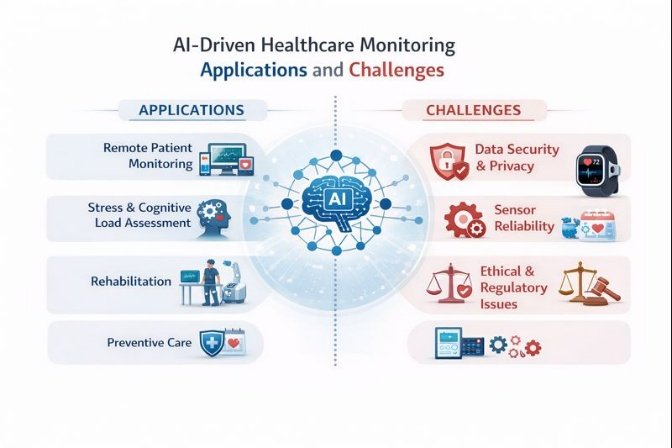
Figure 4: AI-Driven Healthcare Monitoring Applications and Challenges
Figure4 is Overview of AI-driven healthcare monitoring applications and associated challenges, highlighting the balance between technological benefits and ethical responsibilities.The third pillar of challenge lies in ethical and compliance considerations, which, while accounting for the smallest proportion of the key challenges at 20.0%, remain inextricably linked to security and reliability. Compliance with complex and evolving regulations, such as HIPAA, remains a hurdle as healthcare organizations struggle to keep pace with technological advancements and cyber risks[82][84]. The ethical implications extend beyond regulatory adherence to the fundamental trust between patients and providers. When data breaches expose millions of records or sensor malfunctions lead to fatalities, the ethical mandate of "do no harm" is compromised. The management of these ethical concerns requires a governance framework that can adapt to the rapid integration of AI and IoT without stifling innovation.
6. Conclusion
In summary, the landscape of smart sensor technologies in 2025 is defined by a dichotomy of immense potential and severe risk. The heavy weighting of data security challenges highlights the precarious nature of digital health infrastructures, where expanded attack surfaces and resource shortages create fertile ground for cybercrime. Simultaneously, the lethal consequences of sensor unreliability serve as a stark reminder that physical patient safety is dependent on the accuracy of digital hardware. As the healthcare sector remains a prime target for cyberattacks, with persistent gaps in security measures, there is a pressing need for strategic investment in cybersecurity to safeguard patient privacy, maintain trust, and ensure uninterrupted care[81]. Addressing these interconnected challenges of security, reliability, and ethics is not merely a technical requirement but a fundamental prerequisite for the sustainable advancement of intelligent healthcare monitoring.
References
[1] Smart wearable with AI makes elderly care more preventive https://www.icthealth.org/news/smart-wearable-with-ai-makes-elderly-care-more-preventive
[2] Wearable Technology - Northwestern Now https://news.northwestern.edu/topics/wearable-technology
[3] Xiaomi Watch 5: The EMG Blueprint for Garmin and Apple's ... https://the5krunner.com/2025/12/25/xiaomi-watch-5-emg-garmin-apple-sensors/
[4] AI Developments That Changed Vibrational Spectroscopy ... https://www.spectroscopyonline.com/view/ai-developments-that-changed-vibrational-spectroscopy-in-2025
[5] Wearable Technologies | Leading Market Development Platform https://wearable-technologies.com/
[6] Revolutionizing Healthcare: Biomedical Sensors Market ... https://www.openpr.com/news/4326587/revolutionizing-healthcare-biomedical-sensors-market-poised
[7] What's Standing in the Way of Non-Invasive Sensing? https://www.azosensors.com/article.aspx?ArticleID=3273
[8] Recent Progress in Flexible Medical Sensors - ACS Publications https://pubs.acs.org/doi/10.1021/acs.analchem.5c04956
[9] Medical physics and biotechnology: highlights of 2025 https://physicsworld.com/a/medical-physics-and-biotechnology-highlights-of-2025/
[10] Demand for Medical Sensors in USA 2025 to 2035 https://www.factmr.com/report/united-states-medical-sensors
[11] Ganzin Launches Ultra-Low-Power ASIC Eye-Tracking ... https://www.kxan.com/business/press-releases/cision/20251230HK54616/ganzin-launches-ultra-low-power-asic-eye-tracking-platform-aurora-iie-enabling-always-on-ai-glasses-and-vr-mr-devices
[13] MLX90296: Melexis' New Micropower Linear Hall Sensor I ... https://www.melexis.com/en/news/2025/11dec2025-melexis-brings-micropower-to-linear-hall-devices-in-gaming-iot-and-industrial
[14] Smart sensor BHI360 https://www.bosch-sensortec.com/products/smart-sensor-systems/bhi360/
[15] AONDevices and Realtek Partner to Deliver Super-Low- ... https://www.globenewswire.com/news-release/2025/12/29/3211009/0/en/AONDevices-and-Realtek-Partner-to-Deliver-Super-Low-Power-BLE-Enabled-Voice-Smart-Remote-Platform-for-Next-Generation-Consumer-Devices.html
[16] Latest Digital Health News & Trends - December 2025 https://openloophealth.com/blog/recent-digital-health-trends-insight-and-news-december-2025
[17] New Image Sensor Breaks Optical Limits https://today.uconn.edu/2025/12/new-image-sensor-breaks-optical-limits/
[20] December 2025 Monnit News Briefs: New Next Wi-Fi Sensors ... https://www.monnit.com/blog/monnit-news-briefs-december-2025/?srsltid=AfmBOoqjtq9GcXCPRqy2Z84pa5TezVF7boFBc-HzDiofE1FwO94Bk5rB
[21] Federated Learning-Enhanced Sensor Fusion for IoT ... https://journals.sagepub.com/doi/10.1177/18724981251370441
[22] Adoption of smart sensors in healthcare and consumer ... https://www.eletimes.ai/adoption-of-smart-sensors-in-healthcare
[23] Section Physical Sensors https://www.mdpi.com/journal/sensors/sections/physicalsensors
[24] Special Issues - Journal of Biomedical and Health ... https://www.embs.org/jbhi/special-issues/
[26] Edge Computing in Data Analytics 2025: Bringing Insights ... https://medium.com/@mohamedaasir1992/edge-computing-in-data-analytics-2025-bringing-insights-closer-to-the-action-011c45d255bc
[27] 2026 Healthcare IT Trends: What Leaders Need to Prepare ... https://www.himssconference.com/2026-healthcare-it-trends-what-leaders-need-to-prepare-for/
[28] Healthcare Cloud Computing Market to Reach $54.72 B by ... https://www.prnewswire.com/news-releases/healthcare-cloud-computing-market-to-reach-54-72-b-by-2033--cagr-13--according-to-datam-intelligence-report-302650120.html
[29] Data Analytics Trends 2025: AI, Edge & Decision Intelligence https://sranalytics.io/blog/data-and-analytics-trends-2025/
[30] Trends and perspectives in structural health monitoring ... https://www.sciencedirect.com/science/article/pii/S305081422500010X
[31] On-device machine learning for secure, generalizable and ... https://royalsocietypublishing.org/rsos/article/12/12/251213/366142/On-device-machine-learning-for-secure
[33] Bioengineering | Section Biosignal Processing https://www.mdpi.com/journal/bioengineering/sections/biosignal_processing
[34] Amplifying the human touch while cutting documentation ... https://www.ama-assn.org/practice-management/digital-health/amplifying-human-touch-while-cutting-documentation-burden
[35] Physiological Signal Processing for Wellness https://www.frontiersin.org/research-topics/54965/physiological-signal-processing-for-wellness/magazine
[36] Effectiveness of a noise reduction intervention in the ... https://pmc.ncbi.nlm.nih.gov/articles/PMC12687084/
[37] Noise reduction interventions in intensive care units https://www.sciencedirect.com/science/article/pii/S0964339725002964?dgcid=rss_sd_all
[38] Engineering solutions for hospital noise https://www.hfmmagazine.com/engineering-solutions-hospital-noise
[39] Effect of Noise Interference on Work Competency and ... https://journals.lww.com/nohe/fulltext/2025/09000/effect_of_noise_interference_on_work_competency.18.aspx
[40] Noise Reduction in Home Health Care Product Design https://www.designnews.com/industry/noise-reduction-in-home-health-care-product-design
[41] 2025 Outlook: Machine Learning Applications in Healthcare https://kms-technology.com/blog/machine-learning-applications-in-healthcare/
[42] Predictive Analytics in Healthcare Analysis Report 2025: A https://www.globenewswire.com/news-release/2025/12/01/3197113/28124/en/Predictive-Analytics-in-Healthcare-Analysis-Report-2025-A-39-98-Billion-Market-by-2030-Driven-by-AI-and-Machine-Learning-Innovations-and-39-Provider-Investment-in-Outcome-Forecasti.html
[43] Driving the Future of Health with AI https://www.himss.org/futureofai/
[44] Artificial Intelligence in Medicine: Moving From “Prediction ... https://www.cureus.com/articles/449116-artificial-intelligence-in-medicine-moving-from-prediction-to-patient-centric-decision-intelligence
[45] Machine learning-based predictions of healthcare contacts ... https://www.nature.com/articles/s41746-025-02138-4
[46] Key trends and takeaways on AI, tech at HLTH 2025 https://www.fiercehealthcare.com/health-tech/key-trends-and-executive-takeaways-hlth-2025
[47] 2025 AI Trends in Healthcare & Life Sciences | Key Insights https://blog.rsisecurity.com/trends-in-healthcare-life-sciences/
[48] 7 ways AI is transforming healthcare https://www.weforum.org/stories/2025/08/ai-transforming-global-health/
[49] 2026 AI Trends in US Healthcare https://tateeda.com/blog/ai-trends-in-us-healthcare
[50] AI in healthcare statistics: Key Trends Shaping 2025 ... https://litslink.com/blog/ai-in-healthcare-breaking-down-statistics-and-trends
[51] Best of 2025: Top Healthcare Analytics Insights https://medinsight.com/healthcare-data-analytics-resources/blog/best-of-2025-top-healthcare-analytics-insights-shaping-the-year-ahead/
[52] 2025 Healthtech Trends https://www.jpmorgan.com/insights/markets-and-economy/outlook/2025-healthtech-trends
[53] EY US identifies eight health trends for 2026 https://www.ey.com/en_us/newsroom/2025/12/ey-us-identifies-eight-health-trends-for-2026
[55] Healthcare year in review 2025: Key trends, challenges ... https://americanbazaaronline.com/2025/12/29/healthcare-year-in-review-2025-key-trends-challenges-and-shifts-472257/
[56] 5 Defining AI and Real-Time Intelligence Shifts of 2025 https://www.rtinsights.com/5-defining-ai-and-real-time-intelligence-shifts-of-2025/
[57] Achieving Trustworthy Real-Time Decision Support ... https://arxiv.org/html/2506.20018v2
[58] DynaMed vs UpToDate: AI Clinical Decision Support Tools ... https://about.ebsco.com/blogs/health-notes/dynamed-vs-uptodate-ai-clinical-decision-support-tools-comparison
[59] (PDF) Revolutionizing Clinical Decision Support Systems ... https://www.researchgate.net/publication/399075196_Revolutionizing_Clinical_Decision_Support_Systems_Through_Artificial_Intelligence_and_Big_Data
[60] Future of Clinical Decision Support System (CDSS) in 2025 https://www.champsoft.com/2025/11/06/future-of-clinical-decision-support-system-cdss-in-2025/
[61] Remote Patient Monitoring and AI: Supporting Patient Health https://www.jnj.com/innovation/remote-patient-monitoring
[62] Remote Patient Monitoring Shows Potential for Managing ... https://www.ajmc.com/view/remote-patient-monitoring-shows-potential-for-managing-complex-chronic-disease
[63] UnitedHealthcare announces restrictive coverage changes ... https://aasm.org/unitedhealthcare-announces-restrictive-coverage-changes-for-remote-patient-monitoring/
[64] Remote Patient Monitoring Implementation Playbook https://www.ama-assn.org/practice-management/digital-health/remote-patient-monitoring-implementation-playbook-overview
[65] 5 breakthrough health innovations in 2025 https://www.popsci.com/health/health-breakthroughs-2025/
[66] Assessing the Health Care Environment for 2026 https://www.aha.org/aha-center-health-innovation-market-scan/2025-12-23-assessing-health-care-environment-2026-key-signals-field
[68] Five Preventive Health Trends for 2025 https://www.echelon.health/five-preventive-health-trends-2025/
[69] 8 Emerging Trends in Healthcare Technology for 2025 https://www.rxnt.com/8-emerging-trends-in-healthcare-technology-for-2025/?srsltid=AfmBOoqsQJnlTPkvCKjQndTvTeXgtyVm9K0Q1tbMtbWymBxBBEHM7HTZ
[70] Why Highly Effective Companies View Preventive Health ... https://www.forbes.com/sites/julianhayesii/2025/12/28/why-highly-effective-companies-view-preventive-health-as-a-core-pillar/
[71] Smart Sensor Network and AI Algorithms Ease Strain on ... https://www.fraunhofer.de/en/press/research-news/2025/november-2025/smart-sensor-network-and-ai-algorithms-ease-strain-on-stressed-drivers.html
[72] (PDF) Hybrid Optical-Sensor Approaches for Enhanced ... https://www.researchgate.net/publication/398594917_Hybrid_Optical-Sensor_Approaches_for_Enhanced_Stress_Analysis
[73] EEG Sensor-Based Computational Model for Personality ... https://pmc.ncbi.nlm.nih.gov/articles/PMC12737164/
[74] A Survey on Sensor-Based Techniques for Continuous ... https://dl.acm.org/doi/full/10.1145/3720551
[75] Smart sensors and smarter health: How AI and wearables ... https://medicalxpress.com/news/2025-06-smart-sensors-smarter-health-ai.html
[76] Cognitive Load Theory: Emerging Trends and Innovations https://www.researchgate.net/publication/390620209_Cognitive_Load_Theory_Emerging_Trends_and_Innovations
[77] Cognitive Load Monitoring https://www.emergentmind.com/topics/cognitive-load-monitoring
[79] Q2 2025 Trends Focus: Cognitive Health in the Workplace https://www.segalco.com/consulting-insights/q2-2025-trends-focus-cognitive-health-in-the-workplace
[80] Mitigating Cognitive Load in Supply Chain Decision-Making https://www.ijfmr.com/papers/2025/6/61809.pdf
[81] 10 biggest healthcare data breaches of 2025 https://www.beckershospitalreview.com/healthcare-information-technology/cybersecurity/10-biggest-healthcare-data-breaches-of-2025/
[82] Healthcare Data Breach Statistics https://www.hipaajournal.com/healthcare-data-breach-statistics/
[83] Healthcare Cybersecurity Challenges & Threats - 2025 https://www.rubrik.com/insights/healthcare-cybersecurity-challenges-threats-2025
[84] Top 5 Healthcare Cybersecurity Challenges in 2025 https://cybersierra.co/blog/top-5-healthcare-cybersecurity-challenges-in-2025/
[85] 10 largest healthcare data breaches reported to OCR in 2025 https://www.techtarget.com/healthtechsecurity/feature/10-largest-healthcare-data-breaches-reported-to-OCR-in-2025
[86] Sensors in 2025: Global Market Trend Report https://www.azosensors.com/article.aspx?ArticleID=3258
[87] Faulty Glucose Monitor Sensors May Be Tied to 7 Deaths ... https://www.nytimes.com/2025/12/04/health/blood-glucose-monitor-recall-abbott.html
[88] Glucose Monitor Sensor Issue from Abbott Diabetes Care https://www.fda.gov/medical-devices/medical-device-recalls-and-early-alerts/early-alert-glucose-monitor-sensor-issue-abbott-diabetes-care
[89] Seven deaths linked to malfunctioning glucose monitors https://www.usatoday.com/story/news/health/2025/12/02/failing-diabetes-glucose-monitors-deaths-fda/87567340007/
[90] Trends from 2024 to 2025: Sensors, Machine Vision & https://www.industrialautomationco.com/blogs/news/trends-from-2024-to-2025-sensors-machine-vision-amp-io-link-technologies?srsltid=AfmBOopRSW9F1vX5jyWbuEB1hHYsDpwVa64kHPWPlTbjSrFLI29lb41q
Get an email when we publish new research and open calls for chapters.
Create a free account